The newly announced Israel-Lebanon ceasefire may be remembered either as a diplomatic trap or as a historic opportunity. According to the U.S.-brokered framework, the ceasefire depends on a complete halt to Hezbollah fire and the removal of Hezbollah operatives from the South Litani sector. The agreement also envisions the Lebanese Armed Forces taking control of areas from which Hezbollah is supposed to be excluded.
For Israel, the question is simple: what should be done with the time this ceasefire creates?
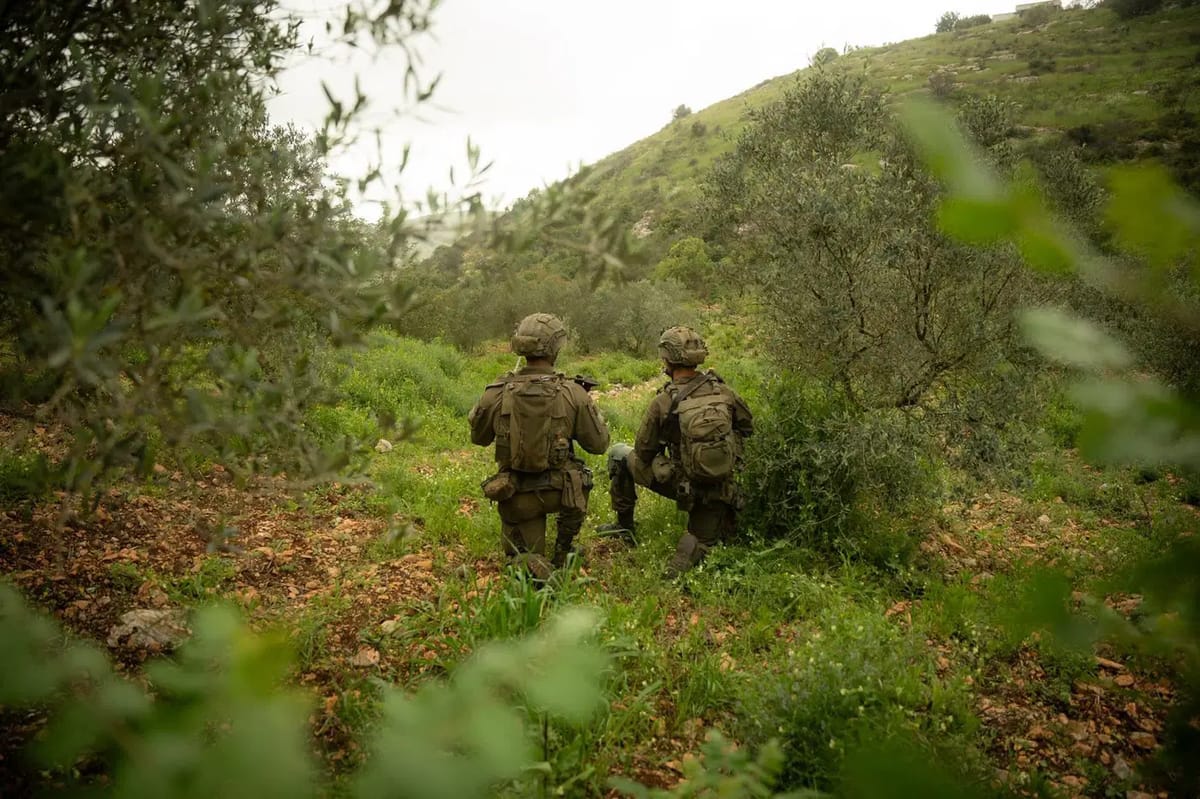
The answer should not be retreat, illusion, or another round of wishful thinking. If Hezbollah stops firing while Israel remains physically present in southern Lebanon, then Israel has been handed something rare in Middle Eastern diplomacy: territory, quiet, and time.
That combination should be converted into leverage.
For decades, Israel has repeatedly learned the same lesson. Agreements in this region are not made in a vacuum. They are made around power, presence, pressure, and assets. Whoever holds something meaningful at the negotiating table has something to trade. Whoever gives up everything in advance arrives at the table with speeches, guarantees, and paper.
Israel has tried paper. It has tried international guarantees. It has tried relying on Lebanese sovereignty, U.N. resolutions, and the promise that someone else would restrain Hezbollah. The result was the transformation of southern Lebanon into an Iranian missile frontier.
This time, Israel should think differently.
If Israel is still present in Lebanon, and Hezbollah is not firing, Israel should use the ceasefire period to establish durable facts on the ground: security infrastructure, observation points, protected access roads, and, where legally and politically authorized, civilian-security communities that make clear that southern Lebanon will never again be a free launching pad for Hezbollah.
The purpose would not be conquest for its own sake. The purpose would be leverage.
When serious peace negotiations begin, Israel must have something concrete to hold, something concrete to trade, and something concrete to protect. A withdrawal that happens before Hezbollah is permanently dismantled would simply recreate the old failure: Israel leaves, Hezbollah returns, Lebanon denies responsibility, the world demands restraint, and Israeli civilians again become targets.
A ceasefire that leaves Hezbollah intact is not peace. It is an intermission.
That is why Israel should not treat this moment as a temporary military pause. It should treat it as a strategic window. The goal should be to make the price of returning to the prewar reality too high for Lebanon, too costly for Hezbollah, and too embarrassing for the international actors now promising that “this time” the Lebanese state will take control.
Middle Eastern diplomacy rewards leverage. It respects facts more than declarations. If Israel wants peace, it must enter the next round of negotiations holding something more serious than hope.
The ceasefire gives Israel quiet.
Quiet should be used to build.
Because when the next peace conference comes, Israel must not arrive empty-handed.