Trump's Big Iran Deal Might Cost Netanyahu (and Israel) Bigtime
PM secured two US strikes on Iran but emerging deal leaves proxies armed, missiles intact • Hezbollah gets billions while IDF faces Lebanon restrictions | The strategic disaster unfolding (Analysis)

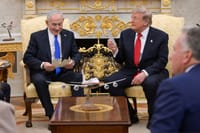
Prime Minister Benjamin Netanyahu secured what appeared to be an impressive and significant victory when President Donald Trump authorized two major strikes on Iranian territory within a single year.
But as details of the emerging U.S.-Iran nuclear framework leak out, a darker strategic picture is coming into focus: Israel may have traded short-term tactical gains for a long-term disaster that leaves Tehran's proxies flush with cash, its missile arsenal untouched, and the IDF's hands tied behind its back in Lebanon.
According to leaked details published in Israeli media, the draft agreement would see $24 billion in frozen Iranian assets released prior to implementation, alongside full American access to Iranian markets for oil and gas sales. The framework includes a permanent, immediate cessation of hostilities across all fronts, including Lebanon, with the United States committing not to intervene in Iran's internal affairs. Critically, while Iran would be required to reduce its stockpile of enriched uranium within 30 days and rejoin the Non-Proliferation Treaty, the agreement appears to leave Tehran's ballistic missile program and proxy networks fundamentally intact.
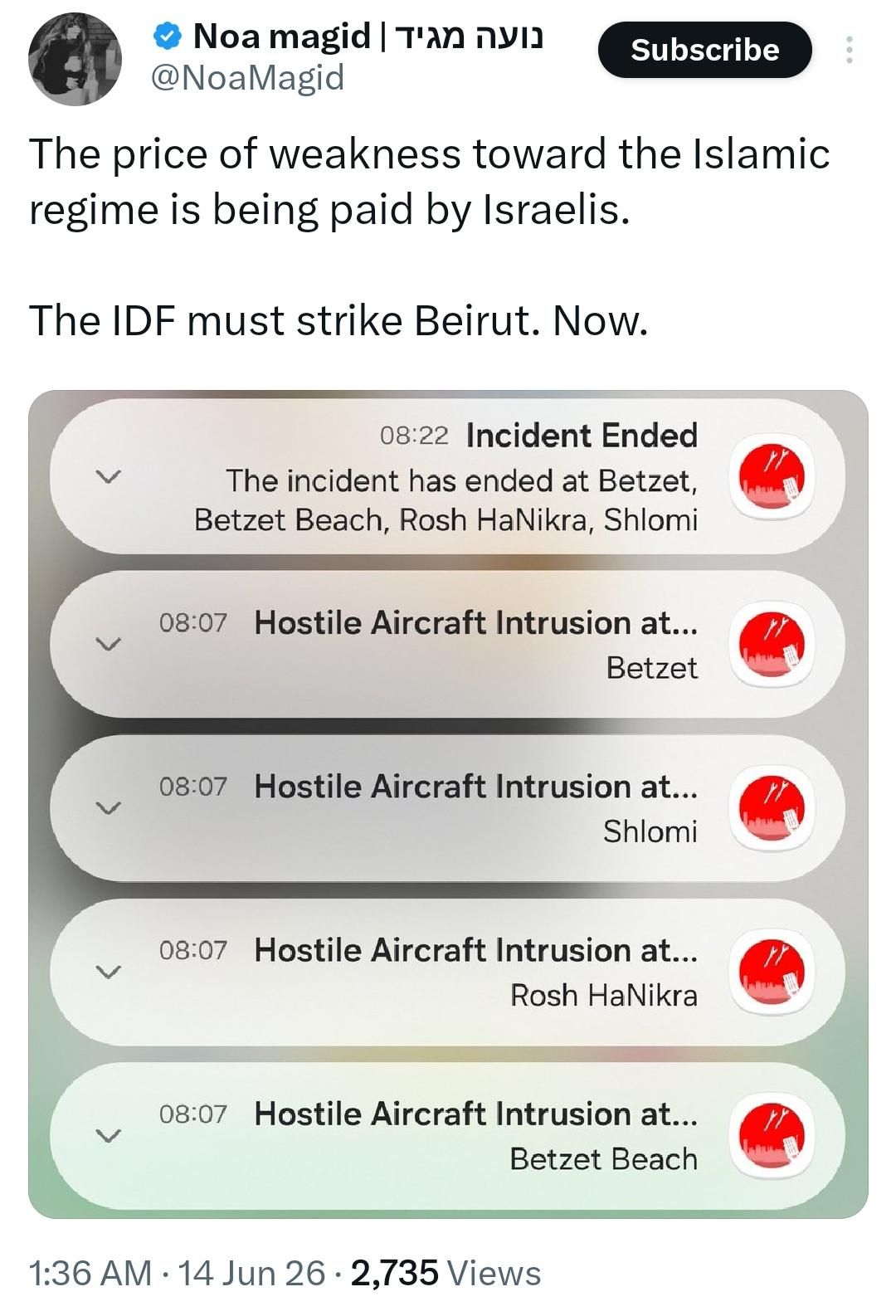
For Israel, the implications are potentially catastrophic. The billions flowing back to Tehran will inevitably find their way to Hezbollah, which has already demonstrated its ability to rebuild and rearm following Israeli operations in Lebanon.
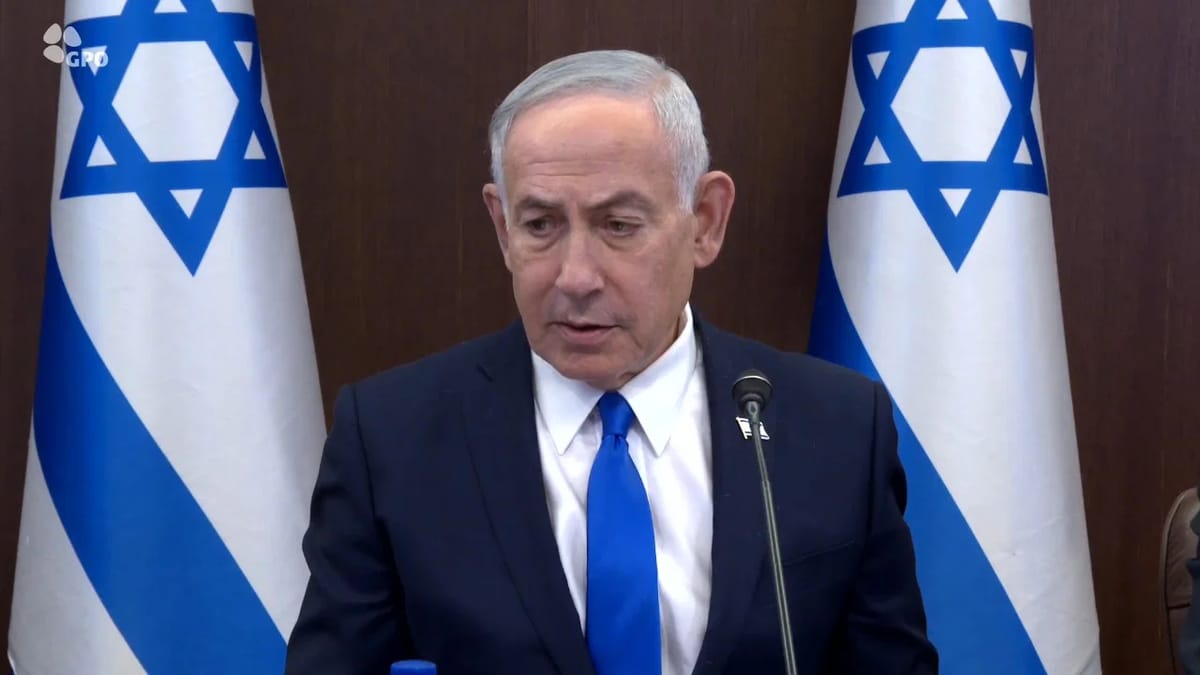
Netanyahu has attempted to reassure the Israeli public, declaring in a formal address Friday that an "absolute consensus" exists with Trump to prevent Tehran from acquiring atomic capabilities. The prime minister reminded observers of his three-decade struggle against Iran's nuclear program, arguing that persistent diplomatic pressure has been essential to containing the threat. But sources familiar with the negotiations warn that Netanyahu's public confidence masks deep private concerns about the emerging framework's glaring omissions.
The contradictions in Trump's approach have become impossible to ignore. The president simultaneously declared an "immediate ceasefire" was imminent while threatening to seize Kharg Island and launch devastating strikes on Tehran's oil infrastructure. On Thursday, Trump announced the United States would strike Iran "very hard" and threatened to assume "total control" of Iranian energy markets, only to cancel the operation hours later following frantic phone calls from the Emir of Qatar, the Sultan of Oman, and Pakistan's Prime Minister.
According to intelligence reviews, the behind-the-scenes intervention successfully averted what could have been a catastrophic regional war. But the whiplash messaging reveals a president driven less by strategic calculation than by domestic political pressures. With U.S. midterm elections approaching, oil prices spiking over 4%, and stock markets flashing red (not to mention the World Cup!), Trump faces mounting incentives to declare victory and move on, whether or not the parties involved are actually ready to stop fighting, and whether or not the deal serves Israel's long-term security interests.
JD Vance himself said that Israel may or may not like the deal and that the US truly doesn't care either way, as long as the ent result is good for America. Obviously, the US does and must act in its own best interests, but the callous and offhand way JD Vance discussed America's closest ally is troubling at best, and chiling at worse.

The operational reality on the ground further complicates the picture. Trump had briefed plans for a potential U.S. military operation to extract Iran's remaining highly enriched uranium, describing it as a complex, high-risk mission lasting up to two weeks and demanding extensive heavy equipment and ground forces. Troops would need to excavate buried material at sites like Isfahan, Natanz, and Fordow, build temporary runways for cargo aircraft, and safely remove roughly 450–1,000 pounds of radioactive enriched uranium. The president acknowledged the logistical challenges, noting it is "not like Venezuela," a quick in-and-out raid, but rather an extended deployment in hostile territory.
That operation now appears off the table entirely. Instead, the emerging framework relies on Iranian commitments to reduce uranium stockpiles within 30 days and rejoin international oversight mechanisms. But Tehran has already demonstrated its willingness to deny agreements even as they're being negotiated. Iran's Foreign Ministry contradicted Trump's victory declarations Friday, stating that no final agreement was imminent and that significant work remained to be done. Iranian officials also introduced a new potential sticking point, demanding payment for services Tehran provides in the Strait of Hormuz under the terms of any agreement.
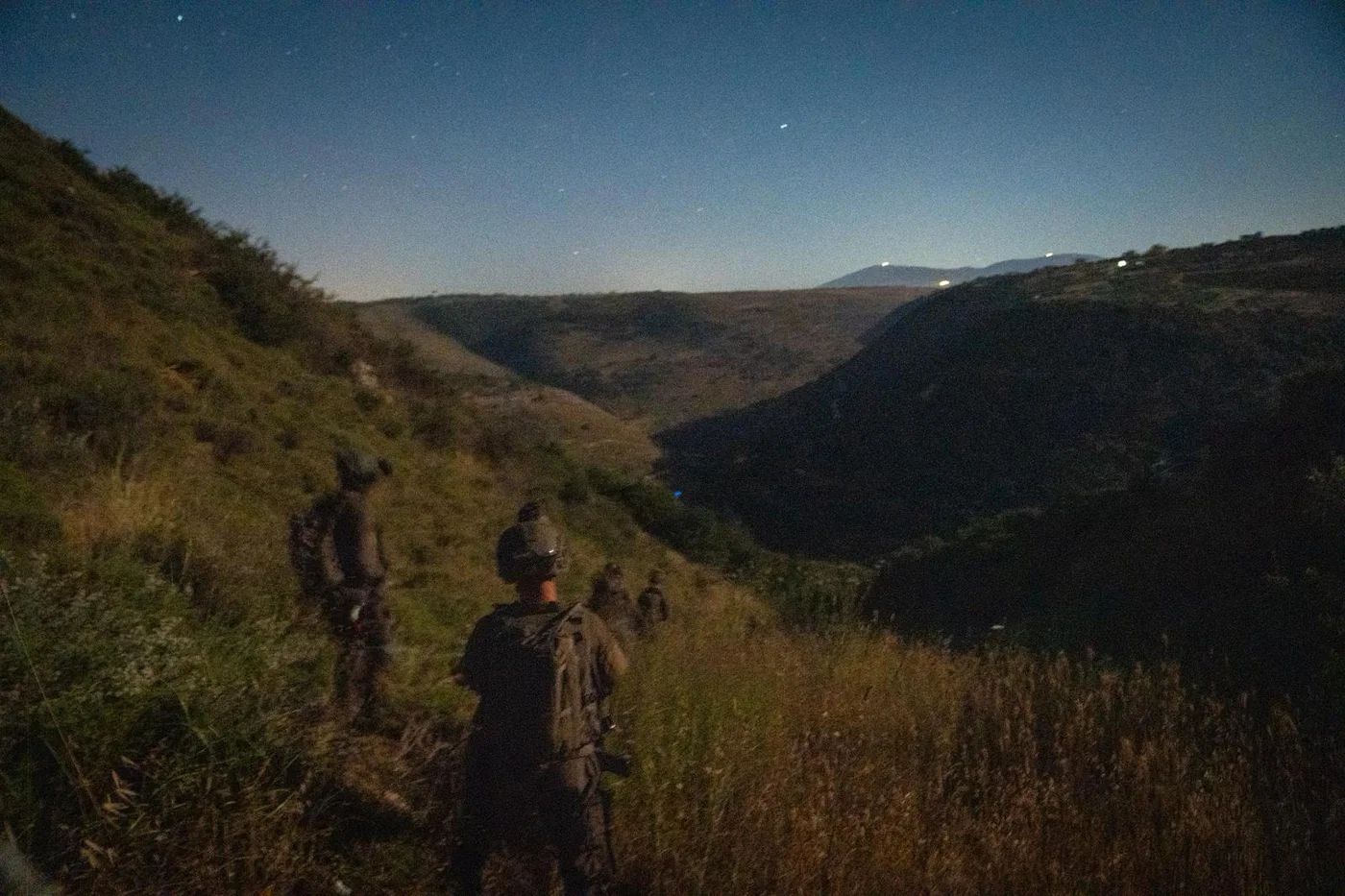
For Israel, the most alarming aspect of the emerging framework may be what it doesn't address. The agreement appears to impose no meaningful restrictions on Iran's ballistic missile program, which has demonstrated the ability to strike Israeli territory with precision. It leaves Hezbollah's infrastructure in Lebanon fundamentally intact, even as IDF forces continue uncovering evidence of Iran's long-term plan to dominate northern Israel through underground fortress networks. And it provides Tehran with immediate financial relief that will inevitably flow to proxy forces across the region.

Netanyahu's calculation appears to have been that securing Trump's authorization for two major strikes on Iranian territory, unprecedented American military action against the Islamic Republic, would demonstrate resolve and inflict meaningful damage on Tehran's nuclear program. But if the price of those strikes is an agreement that leaves Iran's regional infrastructure intact, provides billions in sanctions relief, and constrains Israel's freedom of action, the prime minister may have secured a Pyrrhic victory at best.
The timing adds another layer of complexity. With a potential signing ceremony expected as early as today (Sunday), according to Pakistani officials, Israel faces a rapidly closing window to influence the final terms. But Tehran's contradictory signals, denying any imminent agreement even as other parties prepare for a virtual signing, suggest the framework remains fragile and subject to last-minute changes or collapse.
Indeed, last night Israeli media confirmed that Netanyahu has had very little power over the upcoming deals. Many say that this deal may even cost him his next term as Israeli PM.
For observers of Israeli security policy and Israelis, the emerging picture represents a troubling reversal of the strategic gains achieved through recent military operations. Israel demonstrated its ability to strike deep inside Iran, degraded Hezbollah's infrastructure in Lebanon, and showcased technological superiority across multiple domains. But if those tactical victories are now being traded for a framework that leaves the fundamental threats intact while constraining Israel's ability to respond, Netanyahu may find himself explaining to a skeptical Israeli public how he lost more than he gained.
Further updates to follow as negotiations continue.