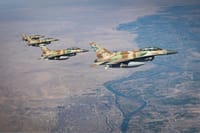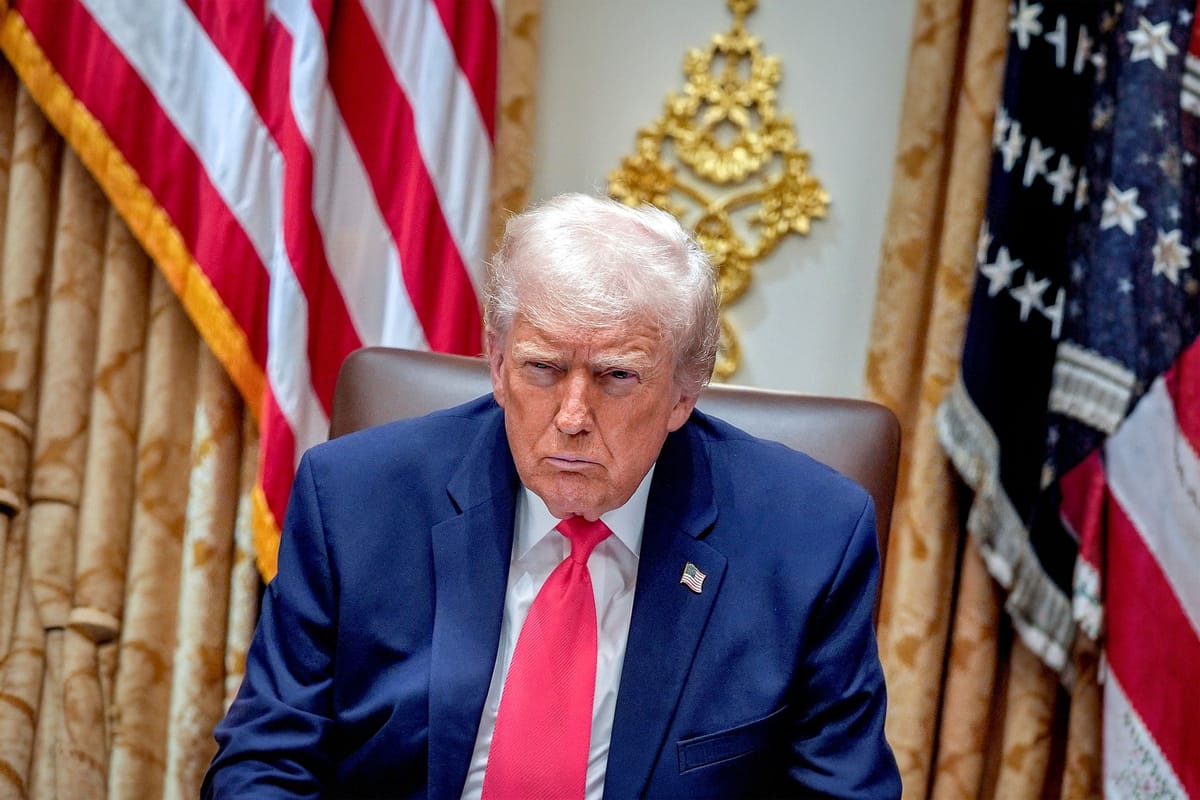
Tensions between the United States and Iran remain high amid widespread anti-government protests in Iran that have resulted in thousands of deaths. President Donald Trump has repeatedly threatened military intervention to support the protesters, echoing his administration's previous strikes on Iranian nuclear facilities in June 2025.
However, despite these warnings and preparations, such as the withdrawal of U.S. personnel from regional bases, no attack has materialized.
Here are some reasons he hasn't followed through:
Economic Risks: A Potential Blow to U.S. Interests
One significant deterrent is the recognition that a military strike on Iran could severely damage the U.S. economy, a factor that has not encouraged escalation but rather promoted caution. Analysts have long warned that conflict with Iran could disrupt global oil supplies, particularly through the Strait of Hormuz, where about 20% of the world's oil and liquefied natural gas transits.
An attack might prompt Iran to block or interfere with this critical chokepoint, driving oil prices above $130 per barrel and triggering inflation, higher energy costs, and broader economic instability.
This would increase transportation and production expenses across industries, leading to reduced real wages and stalled interest rate cuts by the Federal Reserve.
Trump, who has historically viewed oil prices as a barometer of public sentiment and economic health, seems aware of these risks. His administration's sensitivity to energy markets is evident in past policies, and the potential for a sustained price surge could undermine his "America First" agenda by harming domestic consumers and businesses.
Instead of strikes, Trump has opted for economic pressure, such as imposing 25% tariffs on countries trading with Iran, which indirectly burdens Tehran by forcing it to discount exports and erode its revenues without direct military engagement.
Diplomatic Pressure from Qatar and Gulf Allies
Pressure from regional allies, particularly Qatar and other Gulf states, has also played a crucial role in restraining U.S. action. These nations, which host significant U.S. military presence, fear that an attack on Iran could lead to broader regional destabilization, including reprisals that endanger their own security and economies. Qatar, home to the Al Udeid Air Base, the largest U.S. military facility in the Middle East, has publicly acknowledged personnel drawdowns amid tensions, signaling concerns over potential Iranian retaliation.
Gulf Arab countries like Saudi Arabia and the United Arab Emirates, despite their historical rivalries with Iran, have lobbied the Trump administration against strikes, emphasizing the risks to business, tourism, and oil markets.
Iran's warnings to these states, that U.S. bases on their soil would be targeted in response to an attack, have strengthened these fears, prompting them to urge diplomacy over military options.
Qatar's former prime minister has explicitly called for a "strategic defense bloc" to counter such threats, underscoring the reluctance to support U.S. escalation.
This collective pushback from "etc." allies in the region has likely contributed to Trump's hesitation, as alienating these partners could complicate broader U.S. strategic goals in the Middle East.Concerns Over Attacks on U.S. BasesA major worry stalling any strike is the high likelihood of Iranian retaliation against U.S. military bases in the region, which could endanger American troops and escalate the conflict. Iran has explicitly warned that any U.S. attack would prompt strikes on bases in countries like Qatar, Saudi Arabia, the UAE, and Turkey.
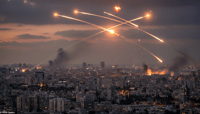
This threat is not idle; in June 2025, Iran targeted Al Udeid in response to U.S. bombings, causing damage though no casualties.
The U.S. has already taken precautionary measures, such as advising personnel to leave Al Udeid (although they have already been instructed to return) and limiting access to bases in Kuwait and Saudi Arabia, reflecting internal assessments of these risks.
With U.S. forces potentially overstretched due to operations in Venezuela and limited prepositioning of assets in the Middle East, the Pentagon has privately expressed concerns about vulnerability to Iranian missiles and proxies.
Trump's preference for "short, surgical operations" with minimal risk to U.S. personnel further underscores why these worries have prevented action, as a broader war could draw in allies like Israel and lead to unpredictable escalation.
Influence from JD Vance: Advocating Restraint
Within the administration, Vice President JD Vance has emerged as a key voice pressuring Trump against hasty military action, favoring diplomacy as a first resort. Vance has led efforts to convince Trump to pursue talks with Iran before considering strikes, chairing meetings to present options ranging from negotiations to limited military responses.
Reports indicate he is scrambling to rein in the president, emphasizing the risks of escalation and the potential for a prolonged conflict that contradicts Trump's aversion to "quagmires."
Vance's push aligns with broader administration divisions, where he and Secretary of State Marco Rubio have avoided pressuring Trump into a decision but highlighted diplomatic paths, such as curbing Iran's nuclear program through talks.
This internal advocacy has coincided with Trump's recent softening of rhetoric, including claims that Iran has halted killings based on backchannel assurances, suggesting Vance's influence may have bought time for de-escalation.
As a proponent of "America First" realism, Vance's counsel reflects concerns over overextension and the domestic political costs of another overseas entanglement.
Conclusion: A Delicate Balance
Trump's restraint on attacking Iran stems from a confluence of economic prudence, allied diplomacy, security risks to U.S. assets, and internal advice prioritizing alternatives to war. While the protests continue and Iran's crackdown persists, these factors have so far prevented escalation. However, with Trump known for unpredictability, any shift in protest dynamics or Iranian actions could tip the scales. For now, the administration appears focused on non-kinetic tools like tariffs and sanctions, aiming to pressure Tehran without igniting a wider conflict.