In a significant escalation within the ongoing U.S.-Israeli military campaign against Iran, Israeli jets have initiated strikes on Iranian Revolutionary Guard Corps (IRGC) border guard positions along the Iraq-Iran frontier.
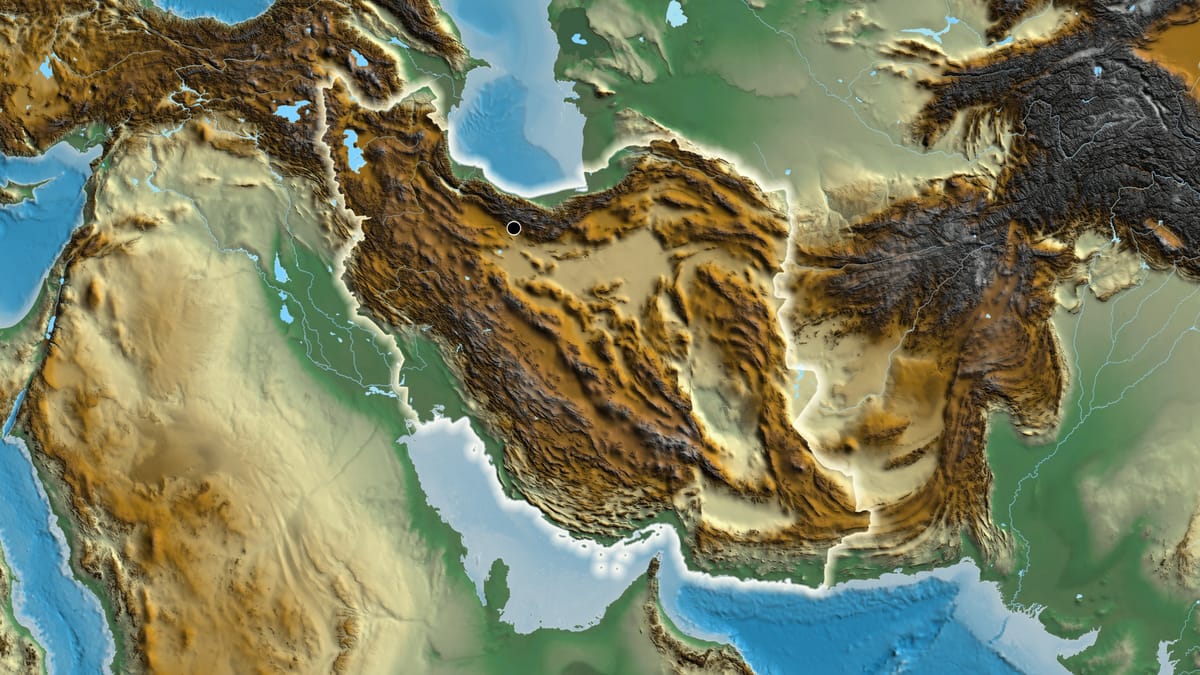
These attacks, reported on March 2, 2026, appear aimed at diminishing Tehran's grip on the region, which could facilitate the return of armed Iranian Kurdish opposition groups currently based in Iraq's Kurdistan Region.
The strikes are part of the broader Operation Roaring Lion, launched by Israel and the United States on February 28, following the targeted killing of Iran's Supreme Leader Ali Khamenei.
Sources indicate that U.S. and Israeli forces have conducted airstrikes on IRGC targets in western Iran's Kurdish provinces, including Kurdistan and Kermanshah, which border Iraq.
Key sites hit include military installations in Sanandaj, Mariwan, and Kamyaran, with reports of extensive damage to IRGC bases, Basij facilities, police stations, and intelligence offices.
Eyewitness accounts from the region describe explosions destroying the IRGC base in Mariwan, right on the border with Iraqi Kurdistan, and note that prisoners were reportedly freed following the strikes.
In Mahabad, precision strikes targeted Iran's intelligence service headquarters with no reported civilian casualties, though nearby buildings sustained minor damage like broken windows.
Iranian-backed militias in Iraq, such as Kataib Hezbollah and other Popular Mobilization Forces (PMF) units, have responded with threats and attacks.
Strikes have also hit PMF sites in Iraq's Diyala Province near the border, killing fighters and heightening tensions.
Iranian proxies have warned Kurdish opposition groups against crossing into Iran, amid reports of unified Iranian Kurdish factions clashing with regime forces in border areas like Kermanshah.
While neither the U.S. nor Israel has officially stated an intent to directly support Kurdish movements, the targeting of IRGC positions in these volatile border zones aligns with efforts to degrade Iran's military infrastructure and influence.
Iraq's Kurdistan Regional Government has denied involvement and stressed neutrality, even as Iran retaliated with strikes on Erbil.
This development comes amid widespread regional turmoil, with Iran launching retaliatory missiles and drones at U.S. bases in Iraq, Jordan, and the Gulf, as well as targets in Israel.
Casualties continue to mount, with confirmed deaths across multiple countries as the conflict enters its third day.