In a high-stakes meeting of the political-security cabinet this Monday, Israeli defense officials provided a sobering assessment of the long-term objectives and exit strategy for the ongoing war against the Iranian regime. While the Cabinet remains unified in support of the current high-intensity operations, security experts emphasized that even a total military success will not result in the 100% elimination of Iran’s ballistic capabilities. The discussion focused on the "day after," specifically how to prevent the regime from salvaging buried equipment and restarting its nuclear and missile programs once the dust settles. Simultaneously, Air Force Commander Major General Tomer Bar provided rare insight into the unprecedented level of coordination with the United States, describing a partnership so seamless that it has fundamentally changed the nature of modern warfare in the Middle East.
The Missile and Nuclear Challenge
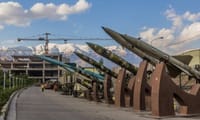
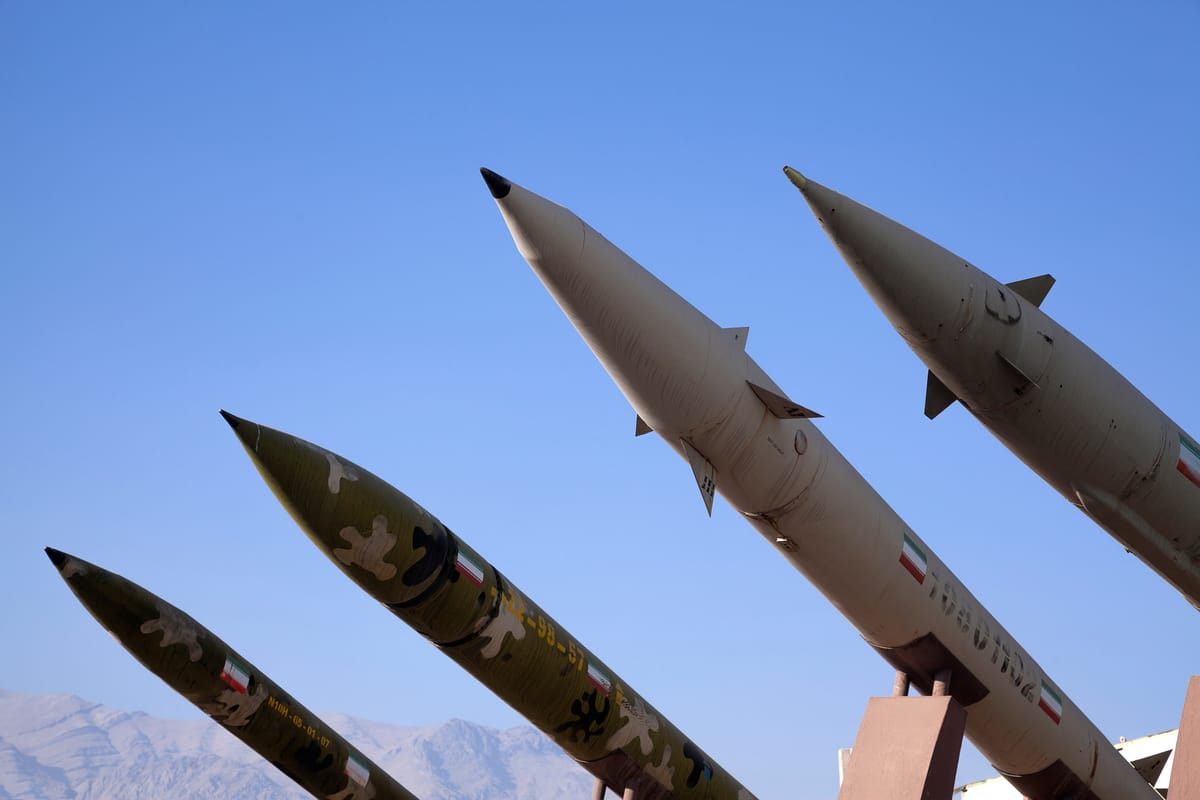
The core of the security briefing focused on the resilience of Iran’s strategic assets. Defense officials explained to the ministers that while the IAF is dealing massive blows to the regime, the ballistic threat cannot be entirely extinguished. "At the end of this operation, the ballistic threat to the State of Israel will not be destroyed. Missiles will remain in Iran’s hands. How many? It depends on the length of the campaign," officials noted. They warned that much of the missile array is currently buried under the ruins of bombed sites, and the Iranians will immediately attempt to excavate and rehabilitate these weapons as soon as hostilities pause.
The same logic applies to the nuclear program. The cabinet was told that the Iranians are currently in a desperate race to "save what can be saved," moving critical equipment and fortifying vital components. The Israeli strategy, therefore, is not just to destroy current stockpiles, but to destroy Iran’s "renewal capacity," making it impossible for them to rebuild the infrastructure required to enrichment uranium or manufacture new long-range missiles.
The US-Israel Alliance: One Plus One Equals Eleven
Major General Tomer Bar, the Commander of the Air Force, spoke passionately about the "historic event" unfolding through the joint military effort with Washington. He dismissed any talk of friction or suspicion between the two allies, stating that "there are no secrets between the countries, everything is open, we share every piece of information, every beep." Bar described Israel as a "Model Ally" for the United States, suggesting that the synergy between the two nations creates a force multiplier. "We are one, they are one, together it is eleven," Bar told the cabinet. He explained that the joint operation is conceptually and operationally different from anything seen in history, noting that "the US works with scale and we work with precision."
Exit Strategy and Internal Change
Beyond the physical destruction of weapons, the cabinet discussed the psychological and political goals of the war. A major part of the strategy involves creating the conditions for mass protests within Iran, with the hope of triggering significant internal change or the collapse of the regime from within. The goal is to move beyond mere containment and create a "different reality" in the Middle East. By combining devastating military strikes with targeted pressure on the regime's leadership, the cabinet hopes to ensure that the Iranian government is too weakened, both domestically and militarily, to pose a threat for decades to come.