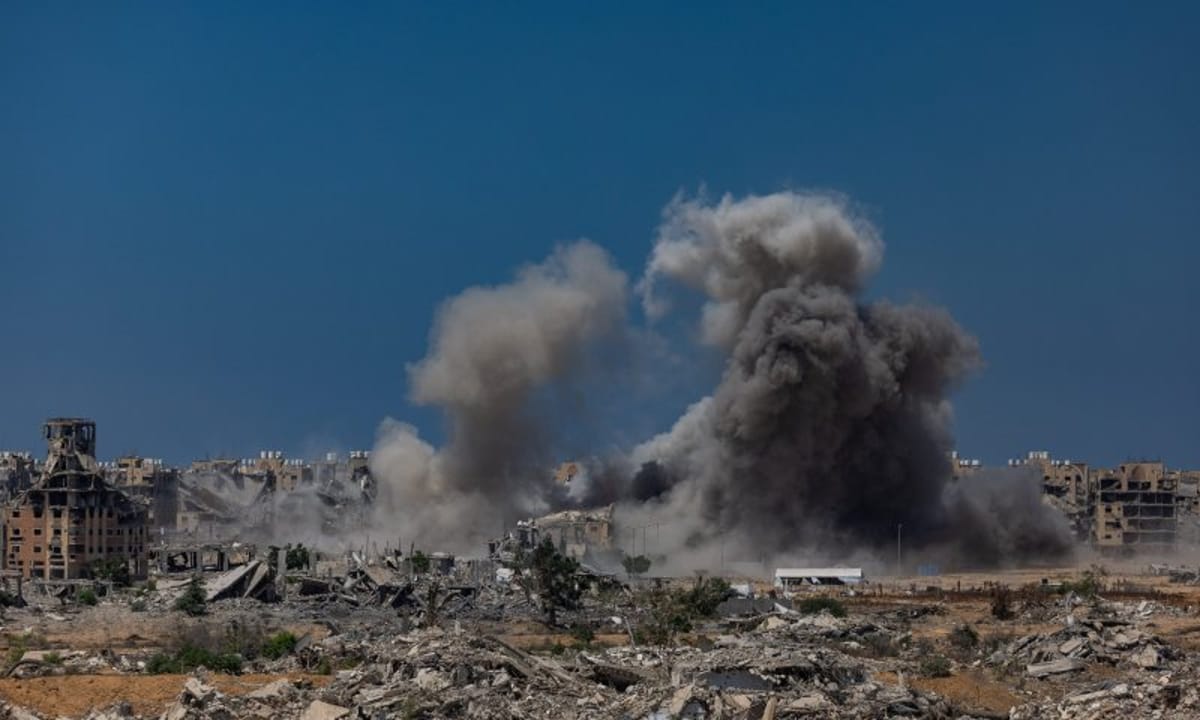
Military forces and domestic intelligence agencies successfully executed a targeted overnight strike in the northern sector of the Gaza Strip, resulting in the elimination of four high-ranking commanders within the internal security apparatus of the Hamas terrorist organization. The defensive network, known locally as the General Security Mechanism, serves as a highly secretive and critical branch responsible for safeguarding the political leadership and managing their operational logistics. Defense officials confirmed that the strike was launched after tracking the individuals as they attempted to rehabilitate damaged command nodes.
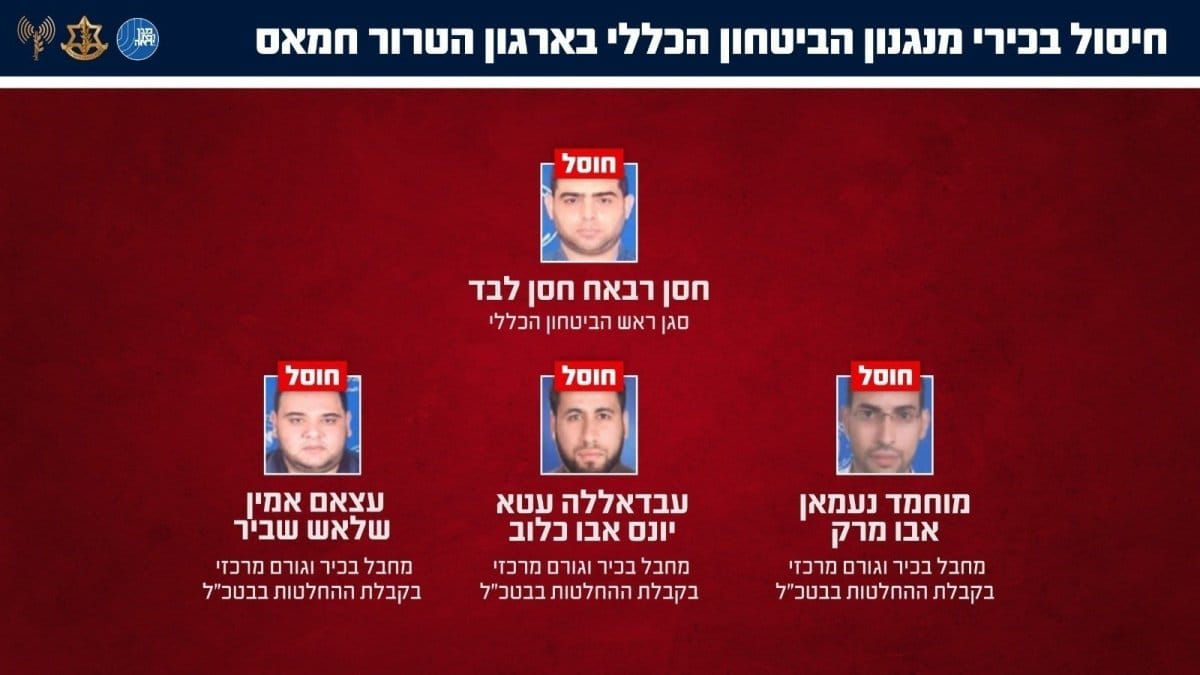
Among the high-level casualties was Hassan Rabah Hassan Labad, who served as the deputy director of the internal security forces and acted as a primary decision-maker for the group's defensive strategies. Labad was responsible for formulating security directives, managing emergency movements, and ensuring the survival of senior political figures. His elimination represents a significant disruption to the administrative stability of the terrorist group's remaining hidden infrastructure.
The precision munitions also successfully neutralized three other essential decision-makers within the same clandestine apparatus. The tactical targets were identified as Assem Amin Shalah Shbir, Abdullah Ata Younis Abu Kloub, and Muhammad Naaman Zaki Abu Mark. According to military briefers, these individuals were instrumental in coordinating secure communications between underground bunkers and organizing high-level meetings for the planning of hostile actions against regional communities.
The security apparatus managed by these individuals operates as an intelligence gathering and protective wing, focusing on tracking troop movements and constructing a comprehensive defensive picture to assist senior leaders in executing operations. The defense establishment emphasized that the targeted commanders had recently intensified their efforts to restore tactical capabilities and launch fresh incursions, making their immediate elimination necessary to remove an active and developing threat to national security.
Southern Command units deployed along the perimeter confirmed that the strike was executed in accordance with active defensive agreements, and stressed that operations would continue uninterrupted to prevent the resurgence of hostile networks. Drone surveillance footage captured the exact moment of the strike, confirming total destruction of the target without collateral damage to neighboring civilian zones. The operation effectively cripples the immediate ability of the terrorist group to protect its remaining leadership or secure its internal lines of communication.