Get our mobile app
Download on the App StoreGet it on Google Play

Winter is coming

Israel moves to winter time this Motzei Shabbos

Clocks go back one hour Saturday night, giving an extra hour of sleep but earlier sunsets through March • What the change means for your body and your schedule

Moving the clock back

Israel will switch to winter time on the night between Motzei Shabbos and Sunday, 13–14 Cheshvan 5787 (October 24–25, 2026). At exactly 02:00, clocks will move back one hour to 01:00, giving Israelis an extra hour of sleep.

The change follows the Time Setting Law of 2013, which sets the last Sunday of October each year as the date for moving clocks back one hour. This period is called "winter time" and is one of two time standards used in Israel.

Winter time will remain in effect until the last Friday of March 2027, when clocks will move forward an hour in the switch to summer time. The twice-yearly change is designed to align human activity with daylight and darkness hours: in summer, an extra hour of evening light; in winter, most people wake to daylight already outside.

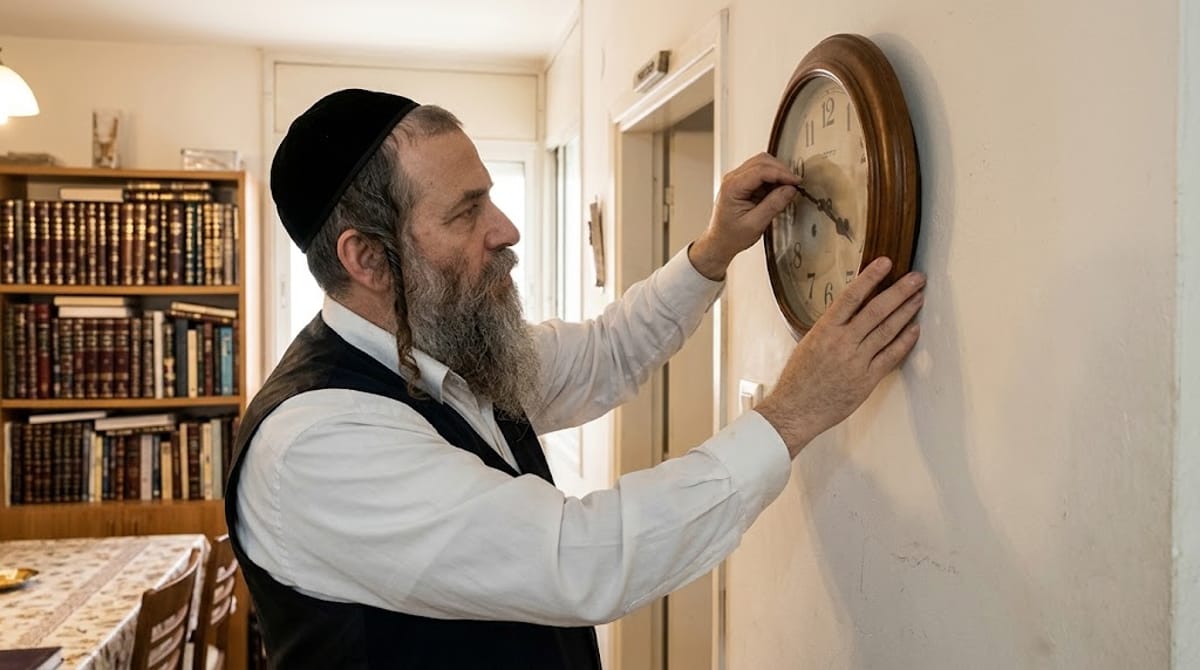
Switching to summer time
Switching to summer time (Photo: AI)

Dr. Oleg Popov, the Economy and Industry Ministry's commissioner for time and frequency measurements, explains that Israel's winter time is the official national time, marked as UTC(INPL) in relation to international UTC time. Israeli local time is two hours ahead of international time in winter (UTC+2) and three hours ahead in summer (UTC+3).

Israel's official time is set at the National Physical Laboratory in the Economy Ministry using a special system that compares Israel's time measurements with those of other national laboratories around the world 86,400 times per day. The laboratory houses three cesium atomic clocks, which serve as the country's official clock and the national time standard.

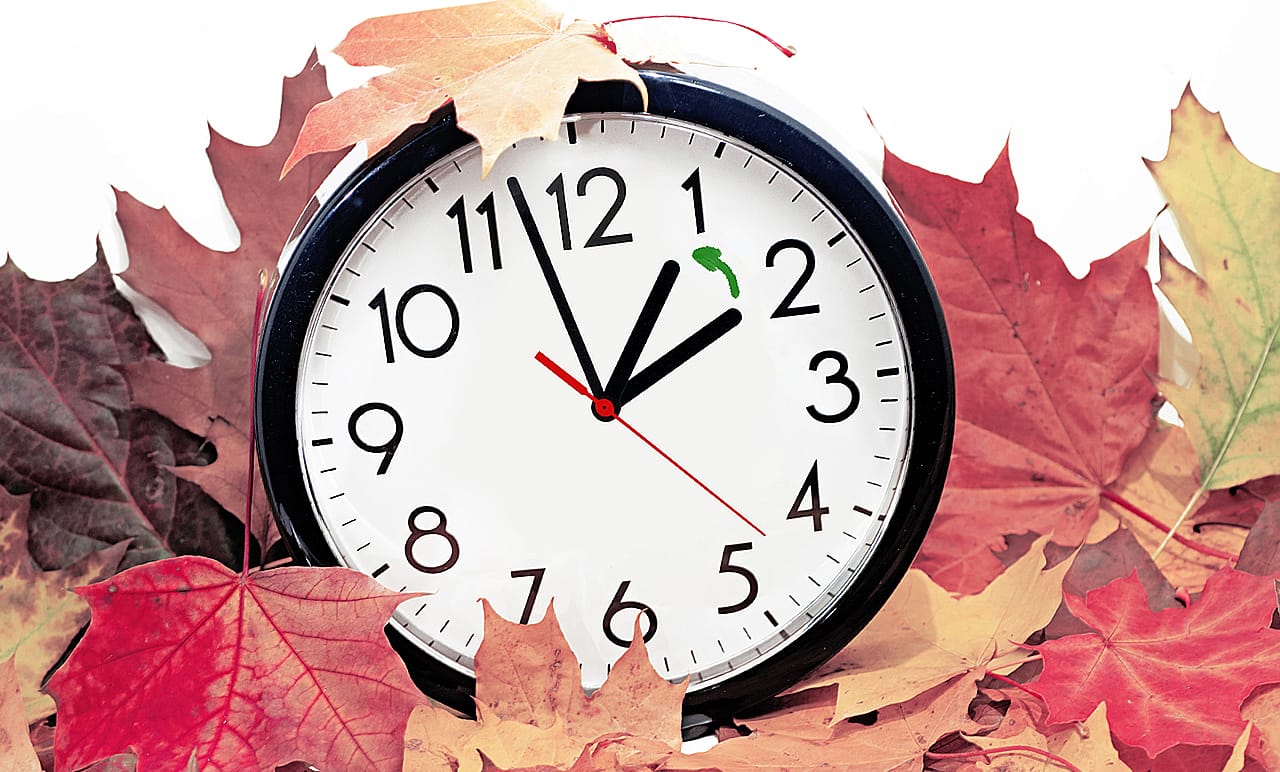
Winter time
Winter time (Photo: Shutterstock)

Effects on the body and mood

In winter, when sunlight is limited and there are more hours of darkness per day, levels of the hormone melatonin in the body rise, and we may feel drowsier and more tired. Melatonin, also called the "darkness hormone," regulates sleep cycles to align sleep with the biological clock.

Serotonin, another hormone responsible for mood and emotions, is also directly linked to our exposure to light, according to research. The drop in serotonin levels in the body during winter can lead to low and depressed mood.

Smartphone and tablet owners should verify that their device is set to automatic mode so the clock will update itself.

Ready for more?

Join our newsletter to receive updates on new articles and exclusive content.

We respect your privacy and will never share your information.

Enjoyed this article?

Yes
No
Follow Us:

Unmissable content


Loading comments...

Also of Interest