Get our mobile app
Download on the App StoreGet it on Google Play

Deal between superpowers

Putin to Iran: accept terms or stand alone

Russian foreign minister arrives in Tehran in first visit since war began • Behind the diplomatic language: a clear warning from Moscow that it will not stand with Iran in a war • Strategic deal between Putin and Trump

Siege on Iran
American forces facing Iran
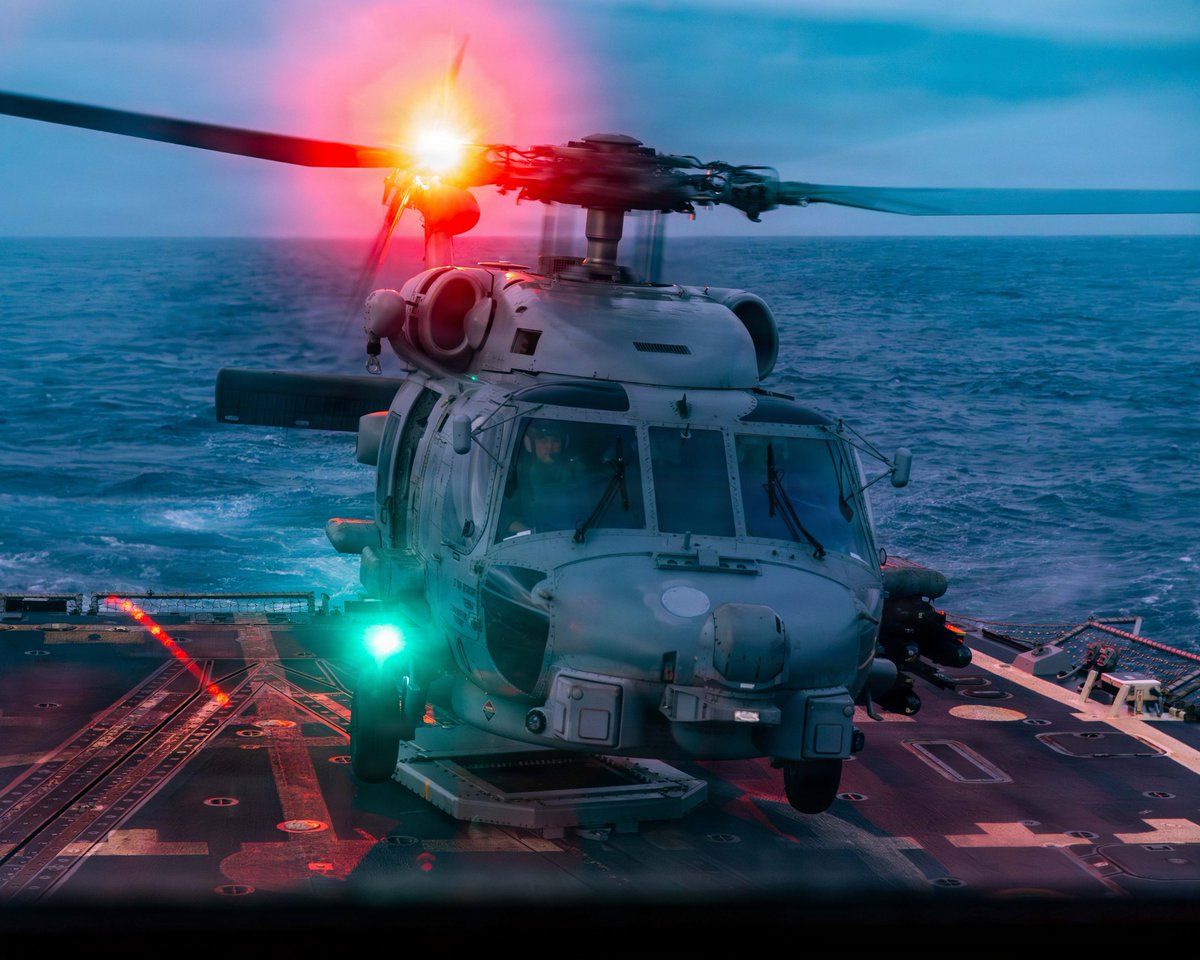
American forces facing Iran (Photo: US Army CENTCOM)

Russian Foreign Minister Sergei Lavrov arrived in Tehran on Monday, his first visit to the country since the war between the United States, Israel and Iran broke out in late February. At a joint press conference with his Iranian counterpart Abbas Araghchi, the two spoke of "good talks", the need to return to the negotiating table, and a multipolar world order. But behind the polite diplomatic language, many observers see a far sharper message.

Lavrov declared that Russia is prepared to help find an acceptable solution to the years-long crisis between Washington and Tehran. He rejected "unilateral actions" by various states, called for securing the Strait of Hormuz, and emphasized the importance of cooperation in frameworks such as BRICS and the Shanghai Cooperation Organization. Araghchi, for his part, welcomed any idea that would ensure regional security "without the presence of foreign actors", and blamed the United States and "the Zionist entity" for the lack of security in the straits and across the region.

"The war imposed by the United States and the Zionist entity, in addition to the economic siege, is the main source of insecurity in our region," the Iranian foreign minister said at the joint press conference.

Russian warning behind the scenes

So much for the official statements. But analysts who examined what was said, both openly and by implication, see something entirely different in the picture: a clear Russian warning to Iran. According to these assessments, a strategic deal has taken shape behind the scenes between Moscow and Washington, between Putin and Trump, in which the Iran issue was discussed in exchange for progress on the Ukraine file.

The deal has changed the balance of power. Russia, which needs stable relations with the United States and to protect broad interests around the world, is no longer willing to risk those achievements for the sake of a regime perceived as crumbling, obstructing settlements and opening fronts through proxies.

The message Lavrov delivered, according to those analysts, is sharp and clear: accept the American terms. Otherwise, disaster will come immediately after the Israeli elections — without even waiting for the US election day. And know this: Moscow will not stand by your side.

American forces
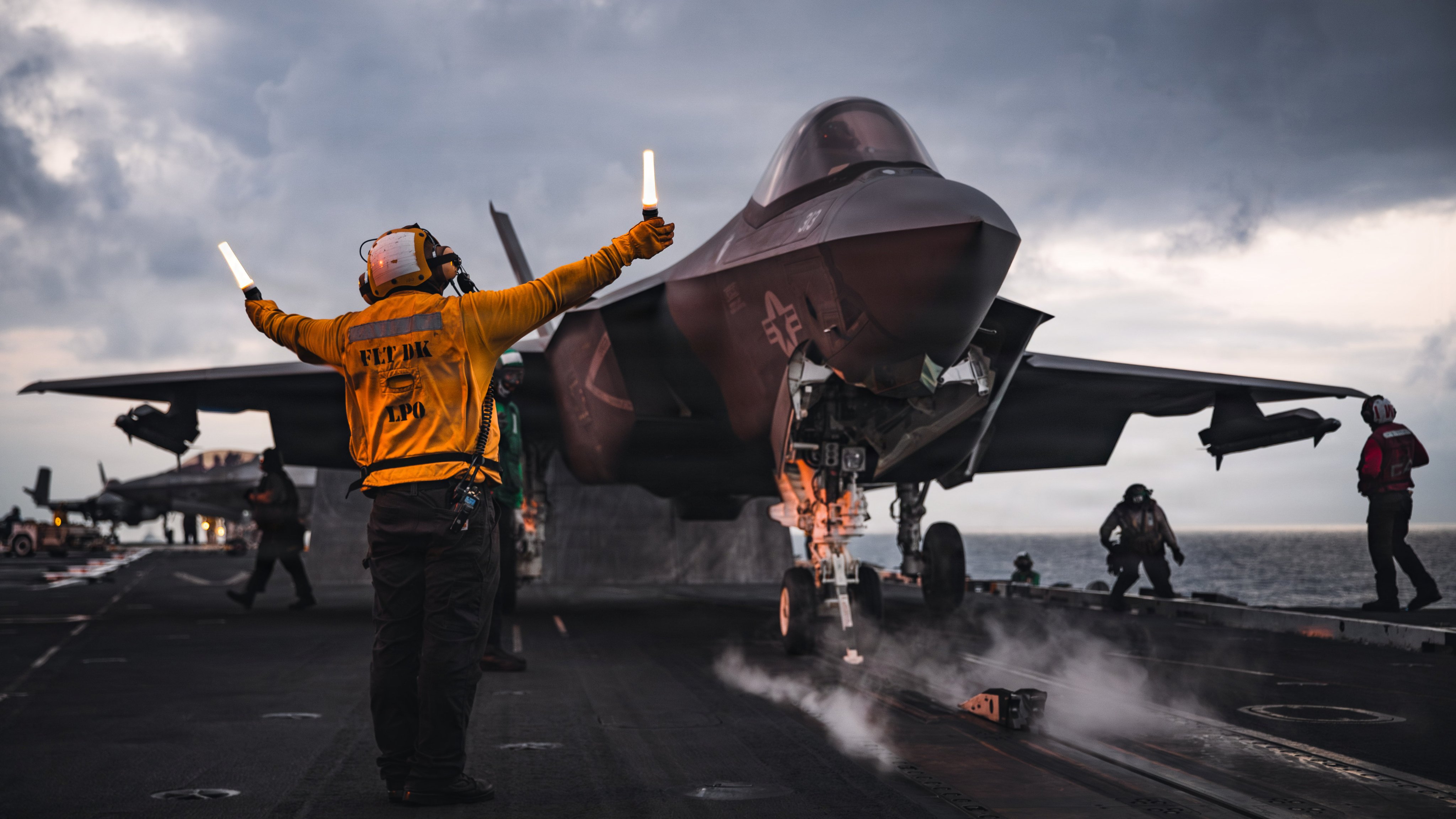
American forces (Photo: US Army CENTCOM)

This is not merely a theoretical assessment. Russia has already proven in the past that it knows how to weigh cold interests against loyalties. It is not looking for a permanent umbrella for allies who obstruct settlements. For Tehran, the meaning is a difficult choice: significant concessions or an unprecedented, devastating and crushing war.

Time is running out. The calculations have changed. The table has turned. Lavrov's visit to Tehran was not just a gesture of strategic friendship, it was a reminder that in the great game of superpowers, even the strongest alliances can prove temporary.

Iran hardens its position

Parallel to the Russian visit, Tehran continues to harden its position toward the West. On Tuesday, the secretary of Iran's Supreme National Security Council, Mohsen Rezaei, made clear that his country is not prepared to remove enriched nuclear material from its supervision, and even refused to resume talks with the United States without full surrender to its conditions.

"Not even a single particle of enriched nuclear material will leave Iran. The material will remain a national asset intended for domestic use only," Rezaei said during a meeting with Pakistan's army chief, Asim Munir. Addressing the possibility of future dialogue with the American administration, the Iranian official made clear that contacts are completely frozen at this stage. According to him, "There will be no negotiations until the US rebuilds trust by fulfilling the conditions Iran has set."

Tehran's firm position comes against the backdrop of reports about a mediation initiative by Pakistan and Qatar aimed at preventing a resumption of confrontation between Washington and Tehran. According to a report published Monday in the Arabic newspaper Al-Araby Al-Jadeed, the two countries proposed a compromise framework including the transfer of enriched uranium to Pakistan in exchange for sanctions relief.

But Rezaei's clear words indicate that Tehran rejects the idea outright. The question is whether the Iranian regime understands the meaning of the choice before it or whether it believes it still has time to play.

Ready for more?

Join our newsletter to receive updates on new articles and exclusive content.

We respect your privacy and will never share your information.

Enjoyed this article?

Yes
No
Follow Us:

Unmissable content


Loading comments...

Also of Interest