Get our mobile app
Download on the App StoreGet it on Google Play

Middle East on edge

Iran sets 7 conditions as talks collapse

Tehran demands immediate release of frozen funds, end to all strikes on Iranian soil, and freedom of navigation in Hormuz Strait before any nuclear discussion, even as Pakistani army chief arrives with compromise offer

Iran Sets Seven Hard Conditions for US Talks as Mediation Collapses

International mediation efforts to prevent an explosion in the Middle East are collapsing. Despite a visit to Tehran by Pakistan's army chief, General Asim Munir, carrying a compromise proposal with the United States, a breakthrough appears more distant than ever.

Statements emerging from Tehran in recent days point to vast gaps and complete distrust of the administration in Washington, raising real concern that the path to a solution will first pass through another aggressive round of fighting.

In an interview with Israel's Channel 12, Danny (Denis) Citrinowicz, a senior researcher in the "Iran and the Shi'ite Axis" program at the Institute for National Security Studies (INSS), addressed the deadlock into which the contacts have fallen. "According to the statements that came out of the meetings of Iran's National Security Council secretary and the Iranian parliament speaker with Munir, we are very far from an imminent breakthrough," Citrinowicz explained. "The Iranian demand is simple, that Trump show willingness and fulfill Iran's seven conditions, and only then will they talk about the nuclear program."

The ultimatum from Tehran: seven conditions for the United States

According to the report, Tehran has set a series of rigid preconditions for any negotiation. The central gap stems from the order of priorities: while President Trump is seeking a quick achievement on the nuclear issue to lower oil prices and present a political success, the ayatollah regime is demanding immediate concessions on the ground. These are the conditions Iran has set:

  1. Immediate release of all frozen Iranian funds
  2. Official declaration of an end to the war on all fronts, including the Lebanese arena
  3. Cessation of American interference in Iran's internal affairs
  4. Severing of Washington's cooperation with elements opposing the Iranian revolution
  5. Halting of all strikes on Iranian territory, including activity by unmanned aerial vehicles (UAVs)
  6. Removal of the naval blockade imposed on the Islamic Republic
  7. Guarantee of freedom of navigation in the Strait of Hormuz and Bab al-Mandab

At the same time, according to a report in the Arabic newspaper Al-Araby Al-Jadeed, Pakistan and Qatar proposed a compromise framework that includes transferring interest amounting to $6 billion from frozen Iranian funds in Qatari banks, in exchange for an Iranian step in the area of oversight of the nuclear program. According to sources involved in the contacts, the proposal was intended to partially address the demands of both sides, but Tehran agreed only to allow a secret, not public, visit by inspectors from the International Atomic Energy Agency (IAEA) to nuclear sites in the country.

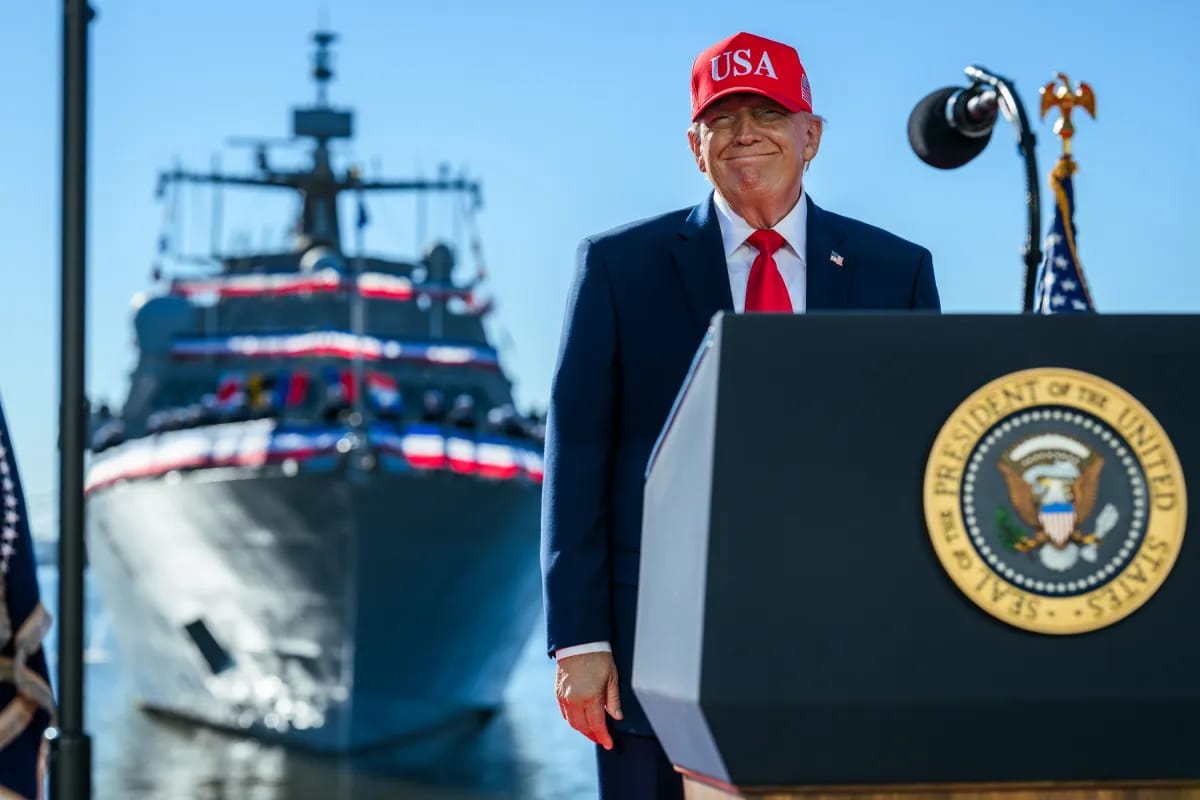
Trump
Trump (Photo: The White House)

The current tension is unfolding against the backdrop of the US midterm elections scheduled for November 3. Citrinowicz assessed on Channel 12 that Tehran identifies the elections as a political weak point and is using them as leverage to pressure President Trump. "The Iranians want to see Trump lose there. Even if he returns to war, they believe his political constraints will be more significant," the researcher detailed. "Their goal is for the price of oil to rise and for him to lose support in Congress, which will make his life much harder."

The situation on the ground reflects the growing geopolitical tension, with the Iranians acting actively to challenge the American fleet. "When you examine the Iranian statements, there is no movement and no trust in Trump," Citrinowicz emphasized on Channel 12. "The gaps are vast and it appears the sides need to go through another round of escalation until perhaps one of them gives in. The likelihood that we will return to escalation is very high."

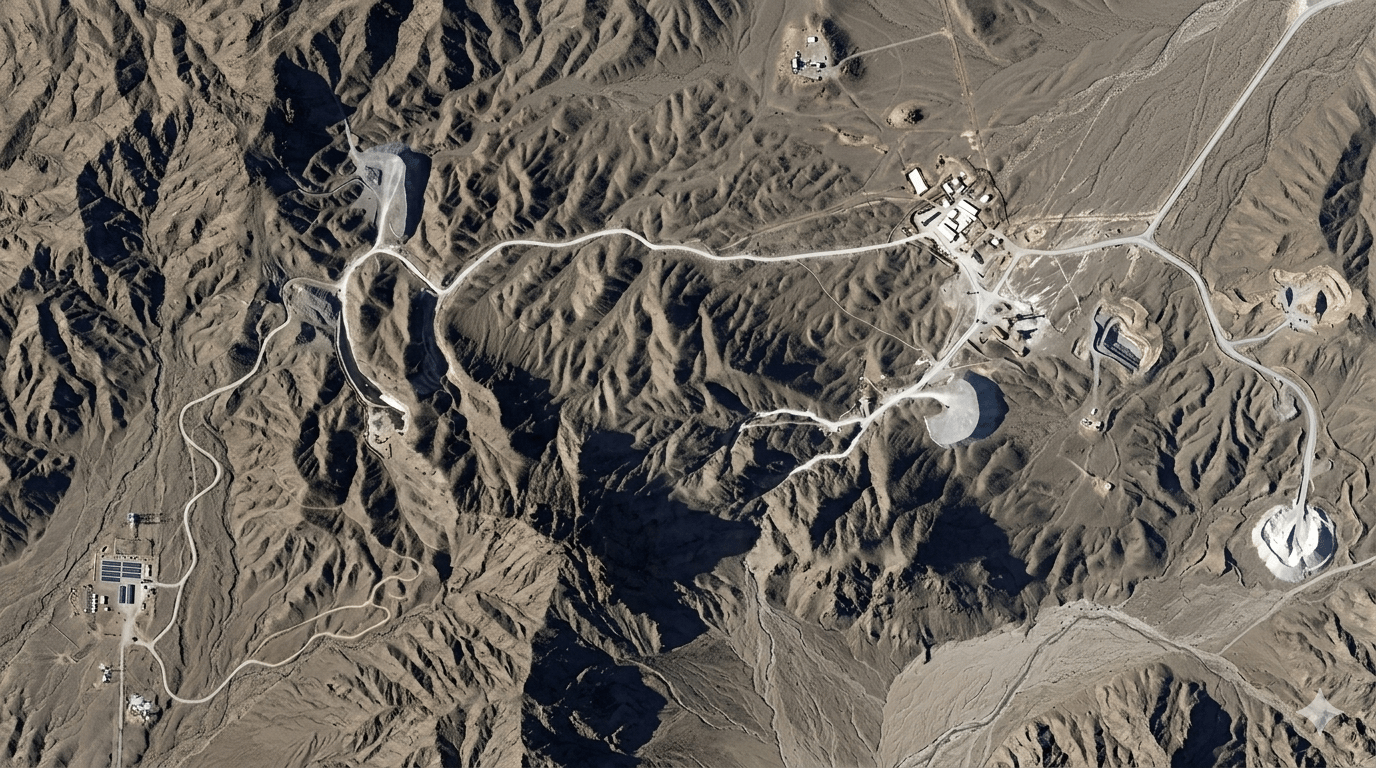
The secret site, illustration
The secret site, illustration (AI-generated)

Citrinowicz concluded his remarks with a grave warning against deterioration into an uncontrolled campaign: "The attempt to apply pressure through escalation could open a campaign that will be difficult to stop. We know what a campaign against Iran is, and even if we strike energy facilities, they will still launch missiles. The Iranians are attacking oil tankers in the Strait of Hormuz every night, not changing their tone and trying to humiliate the Americans. We could enter a very long war of attrition that is hard to know where it will end."

Earlier in the day, it was reported that Prime Minister Benjamin Netanyahu pushed for a renewal of the military campaign against Iran and even ordered the IDF to prepare for an extensive strike operation, but US President Donald Trump opposed renewing the fighting before the midterm elections in the United States. This was reported by the British newspaper Financial Times, based on three sources involved in the details.

According to the report, the Israeli military prepared a plan for a multi-day air campaign, scheduled to launch on the weekend of October 10. The targets included in the plan were civilian infrastructure, including power stations, nuclear facilities, and sites connected to the Iranian regime.

But the plan was not carried out, mainly due to Trump's opposition to renewing the war at the current timing, ahead of the elections to the US Congress. On October 8, the president declared publicly that the US would not attack Iran before November 3, and added that contacts with Tehran are taking place.

The new report joins an earlier publication by Axios, according to which Netanyahu spoke with Trump about the possibility of renewing the strikes, against the backdrop of Israeli concerns about Iranian steps to rehabilitate the nuclear program. According to that report, Jerusalem also expressed concern about the possibility that Iran would renew enrichment activity at the underground site known as "Pickaxe Mountain."

Despite the postponement of the operation, the possibility of renewing the strikes remains on the table. According to the Financial Times, Netanyahu and Trump continue to threaten the Iranian regime, while the militaries are preparing for the possibility of a change in the decision.


Ready for more?

Join our newsletter to receive updates on new articles and exclusive content.

We respect your privacy and will never share your information.

Enjoyed this article?

Yes
No
Follow Us:

Unmissable content


Loading comments...

Also of Interest