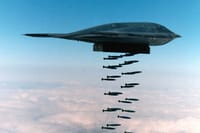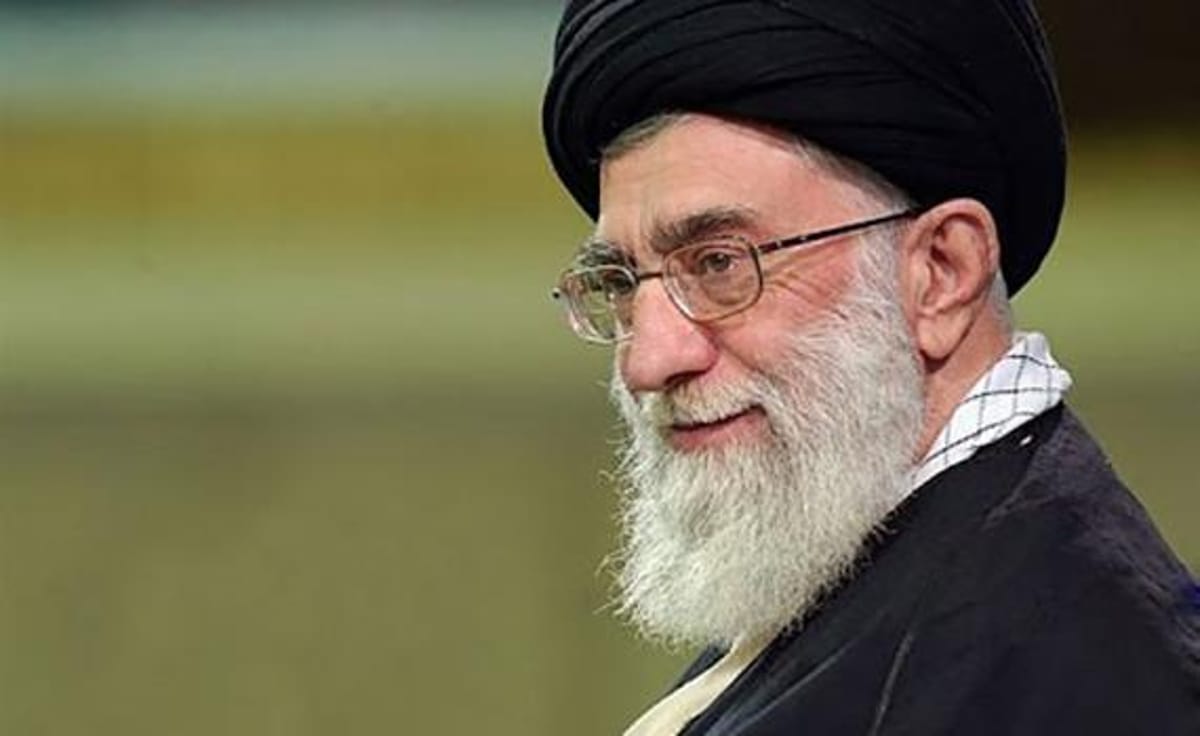
The assassination of Iran’s Supreme Leader, Ali Khamenei, was the culmination of a decade-long intelligence operation that effectively turned the city of Tehran into an open book for Israeli security services. According to a detailed report in the Financial Times, the mission involved a sophisticated blend of cyber warfare, deep-cover human assets, and advanced behavioral algorithms. By the time the order was given to launch the strike, Israel had compromised almost every traffic and security camera in the Iranian capital, allowing Unit 8200 and the Mossad to track the regime’s inner circle in real time. This total digital and physical surveillance ensured that when the fateful meeting took place on Saturday morning, the Israeli Air Force knew exactly which room to target with 30 precision-guided munitions, leaving the Iranian leadership with no time to escape to their fortified bunkers.
The Digital Panopticon
For years, Israeli intelligence worked to infiltrate the infrastructure of Tehran, successfully hacking into the city's traffic camera network. The images from these cameras were encrypted and funneled back to servers located in Tel Aviv and southern Israel. Using complex algorithms, analysts were able to map out the "routine of life" for high-ranking Iranian officials, including Khamenei himself. By analyzing home addresses, shift changes, and the specific routes taken by security details, Israel knew exactly where bodyguards parked their private cars and the specific habits of the drivers. One specific camera angle proved vital, as it provided a clear view into a highly secured compound, allowing the Mossad to see patterns that the Iranians believed were hidden from the world. "We knew Tehran like we know Jerusalem," a source from the Israeli intelligence community told the Financial Times.
Human Intelligence and the CIA Mole
While the digital surveillance provided the framework, a human source provided the final, concrete confirmation. The CIA reportedly managed a high-level asset close to the Supreme Leader’s inner circle who was able to confirm that the meeting was proceeding as planned with Khamenei in physical attendance. This human intelligence was cross-referenced with data obtained from deep penetrations into Iranian cellular networks. To ensure the target could not be tipped off at the last second, Israel executed a localized jam of cellular antennas near the meeting site. This caused phones within the security perimeter to appear "busy" or disconnected, preventing guards from receiving or sending an early warning as the jets approached.
Beating the Bunker Clock
The timing of the operation was critical because Israeli planners knew that once a full-scale war broke out, hunting the leadership would become nearly impossible. The Iranian regime has long-established evacuation protocols designed to move high-value targets into deep, bomb-proof underground bunkers at the first sign of hostilities. By striking on a Saturday morning during a routine meeting, Israel utilized the element of surprise before these "evasion procedures" could be activated. The 30 precision munitions used in the strike were intended to ensure that even if the building had reinforced sections, the result would be total. This operation remains a testament to the combined power of Unit 8200’s cyber capabilities and the Mossad’s ability to run agents in the heart of the most hostile territory on earth.