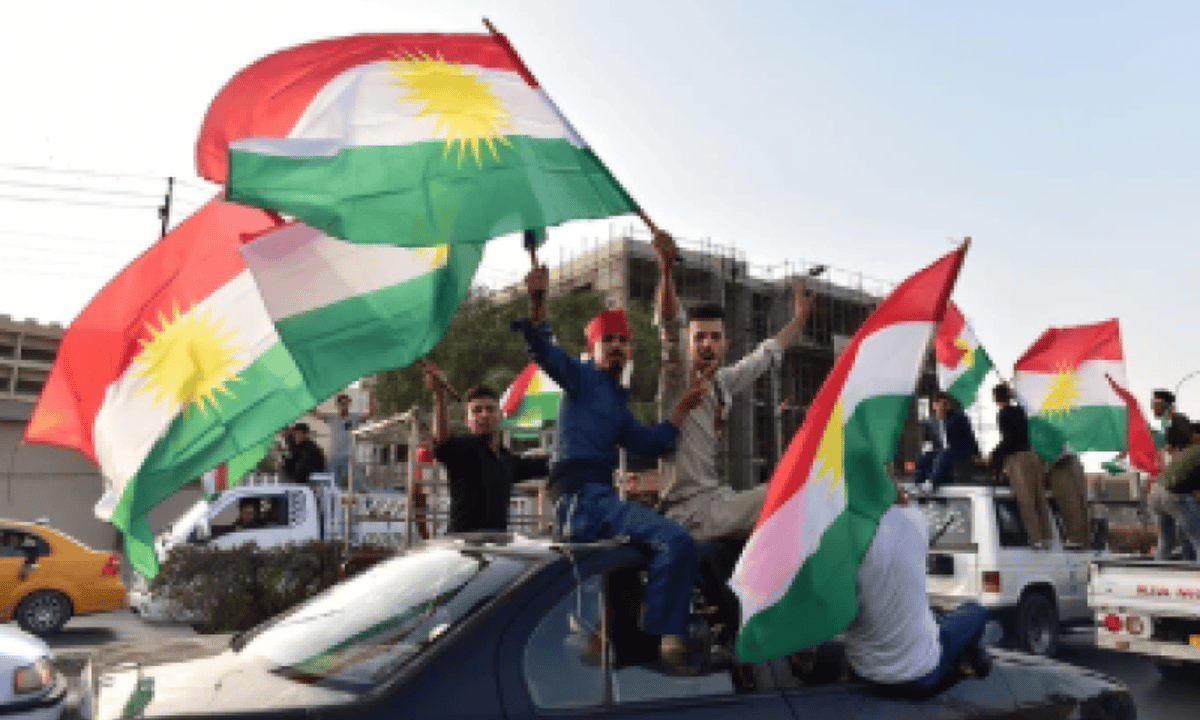
A dramatic intelligence exposure has revealed the centerpiece of an Israeli-American plan to break the spine of the Iranian regime. According to a new report by Channel 12 News investigative journalist Amit Segal, Israel’s Mossad extensively trained and armed Kurdish militias in eastern Iraq to launch a massive ground invasion into western Iran.
The operation was designed to serve as the missing boots-on-the-ground component needed to destabilize and ultimately topple the Ayatollah regime.
Seized Weapons and Secret Training
According to the report, the covert preparations took place over several months. The Mossad actively transferred vast stockpiles of weapons, originally seized from Hamas in Gaza and Hezbollah in Lebanon, across the border to Kurdish tribes and militias in eastern Iraq.
Thousands of Kurdish fighters were reportedly trained by the Mossad and other Western clandestine organizations. The goal was to deploy a highly motivated, well-armed ground force to invade western Iran at the decisive moment, disrupting regime control and triggering its collapse.
The Operational Vision: The Kurdish militias were meant to act as the primary ground invasion force, filling a critical strategic gap in the wider allied campaign against Tehran.
Why the Plan Was Aborted
The revelation explains a lingering mystery from earlier this year. In early March, just days after the launch of the joint U.S.-Israeli military campaign against Iran, rumors and intelligence leaks began circulating about an imminent Kurdish invasion of Iranian territory. However, the ground offensive never materialized.
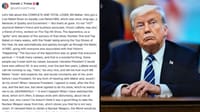
According to Segal's report, the operation was halted at the eleventh hour by Washington. U.S. President Donald Trump reportedly withdrew his authorization for the Kurdish invasion following intense lobbying by Turkish President Recep Tayyip Erdogan. Ankara strongly opposed the operation, fearing that a successful invasion would permanently strengthen and embolden Kurdish nationalist movements across the region.
While the broader air and strategic campaign went forward, the secret Kurdish ground plot, months in the making, was ultimately shelved.