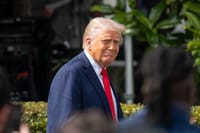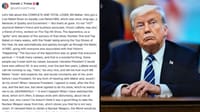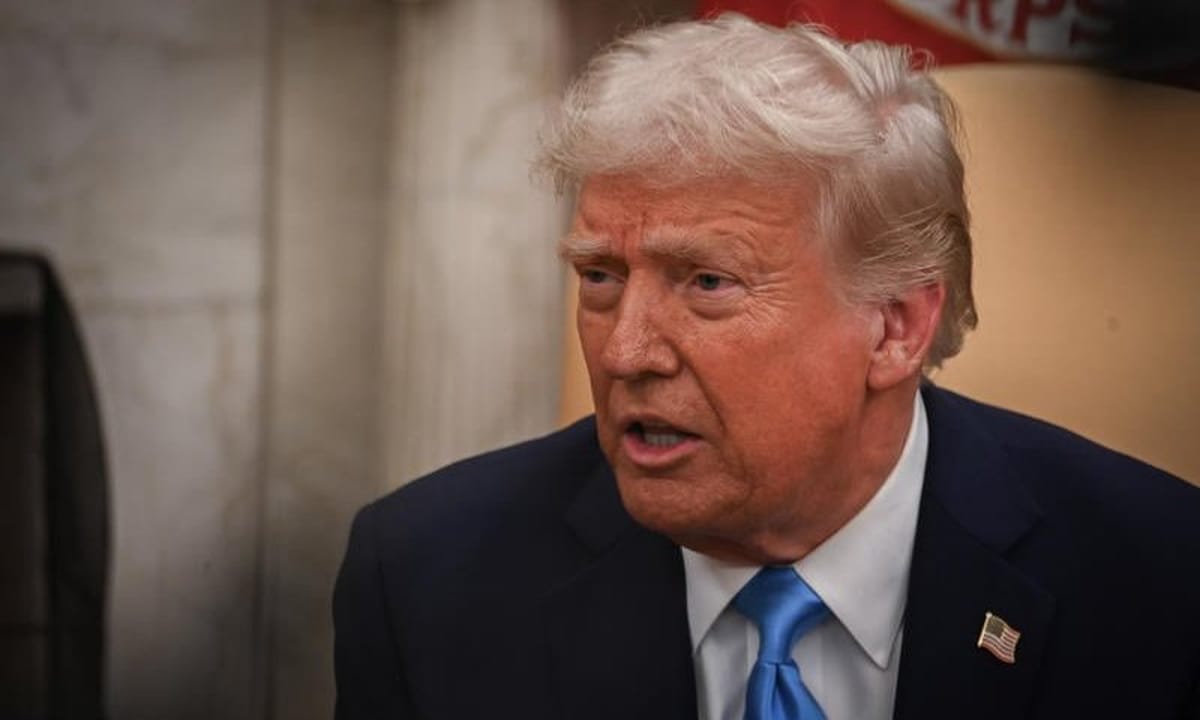
The executive branch has issued a sequence of sharp, unyielding statements directly denying widespread international reports that detailed diplomatic communications between Washington and Tehran had suffered a total breakdown. Writing on his proprietary social platform, Truth Social, President Donald Trump characterized the assertions of a diplomatic freeze as total fabrication and false news. The President insisted that the respective negotiation teams have maintained a completely continuous, uninterrupted dialogue over the past week, confirming that specific meetings occurred yesterday, today, and throughout the preceding days.
The sudden wave of denial arrives immediately after foreign state media agencies published reports claiming that the regional regime had unilaterally walked away from the negotiating table. The foreign reports had claimed that recent military actions along the Lebanese border had made a continuation of bilateral talks completely impossible. However, subsequent updates from alternative monitoring agencies indicated that the draft frameworks had actually returned to their designated tracks, with legal teams in the foreign capital actively reviewing updated terms.
In his public address, the President adopted an unusually precise nomenclature, explicitly referring to the adversarial nation by its full formal designation, the Islamic Republic of Iran. International relations specialists noted that utilizing this formal terminology represents a deliberate sign of respect, signaling that the administration remains highly motivated to finalize a binding agreement despite the immense friction. The rhetorical approach reflects a deep desire to keep the channels open at all costs, even as local situations remain highly unstable.
The President paired his denial with a direct message to the foreign leadership, stating that after forty-seven years of continuous economic and political maneuvers, the time had finally arrived to secure a definitive deal. The executive message emphasized that the international community cannot allow the current state of regional volatility to continue indefinitely. Despite the urgency of the statement, the President also displayed a unique sense of casual indifference regarding the lengthy nature of the process, remarking separately that he personally felt the discussions had been dragging on for far too long anyway.
While the administration continues to project absolute confidence in the survival of the diplomatic track, the surrounding environment remains incredibly complicated. Internal reports indicate that the ongoing negotiation positions have been heavily influenced by new demands put forward by both sides, alongside the severe impact of local military interventions. As the diplomatic teams continue their daily rotations, the contrasting narratives coming out of Washington and foreign capitals highlight the extreme pre-deal maneuvering defining the current security architecture.