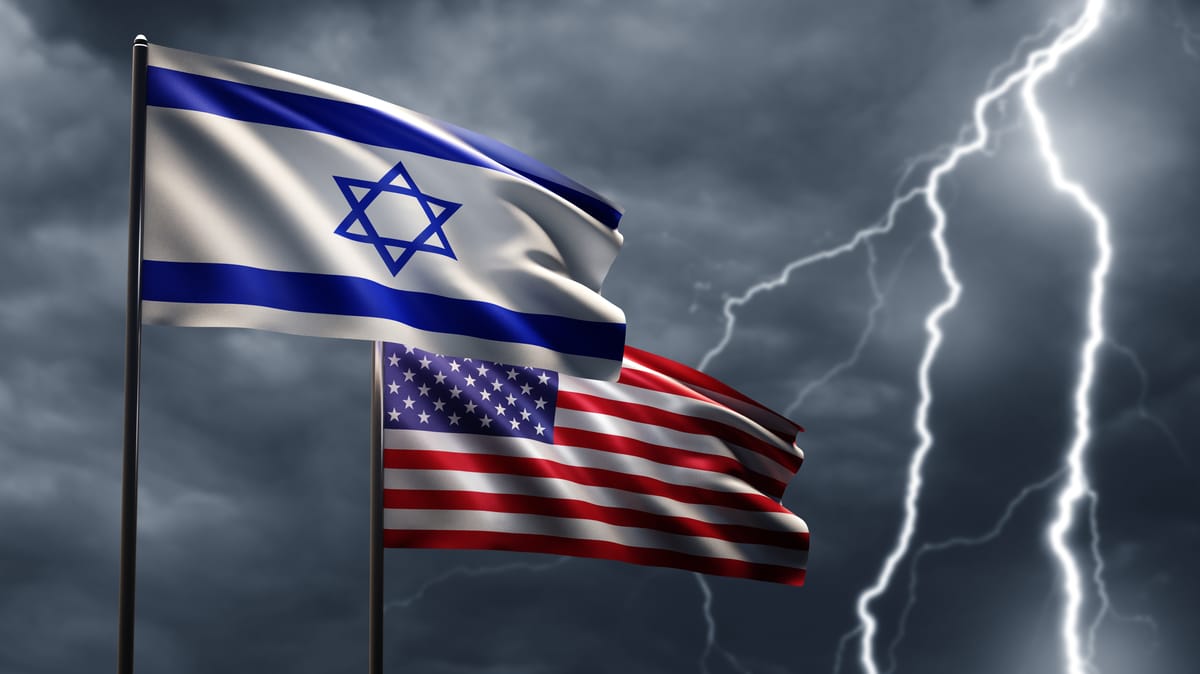
In the labyrinth of Middle East diplomacy, where alliances shift like desert sands, a new reality has emerged: Donald Trump, the 47th President of the United States, is effectively calling the shots on Israel's Gaza policy.
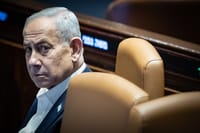
While Benjamin Netanyahu sits in Jerusalem's Prime Minister's Office, it's Trump's voice echoing from the White House that dictates the rhythm of war and peace. This isn't mere influence, it's a de facto presidency over Israel's most volatile frontier.
On Sunday, Hamas terrorists breached the October 11 truce in Rafah, firing anti-tank missiles and sniper rounds at Israeli troops near the "Yellow Line," the demarcation to which the IDF withdrew under Trump's 20-point peace plan.
Two soldiers, Major Yaniv Kula and Staff Sergeant Itay Yavetz, were killed in the blast, the first IDF fatalities since the ceasefire's inception. Israel's response was swift: airstrikes pummeled Hamas targets across Gaza. Netanyahu instructed his military chiefs to halt humanitarian aid deliveries starting Monday, a punitive measure to signal zero tolerance for violations.But then came the call from Washington.
Within hours, U.S. officials learned of the decision through leaks and delivered a stern ultimatum: "You are not taking any steps that would jeopardize the agreement."
Netanyahu's office reversed course almost immediately, ensuring aid trucks rolled through Kerem Shalom as planned. Senior IDF officials, speaking off the record, described this as a "preview" of future constraints. "The IDF's freedom of action is being tested," one told reporters, "and we saw who sets the tone: the U.S. administration made a decision, and the Prime Minister implemented it."
Today, Trump himself amplified the pressure during a White House meeting with Australia's Prime Minister. Addressing the Hamas breach, he declared: "We'll solve the situation with Hamas quickly if they don't solve it themselves."
He warned that Israel could "re-enter Gaza in two minutes if I allow them," but emphasized restraint: "We're giving them a little more time. If they don't behave nicely—they'll be destroyed."
This pivot from his Sunday characterization of the attackers as "isolated rebels" to viewing it as a "real violation" underscores Trump's hands-on approach.
He's not just mediating; he's micromanaging, positioning himself as the ultimate arbiter of Israel's military red lines. Trump's influence permeates every layer of the deal he brokered. The 20-point plan, hailed by the president as a "masterpiece," has delivered the release of all 20 living Israeli hostages in exchange for nearly 2,000 Palestinian prisoners.
But phase two, Hamas' full disarmament, Gaza's governance, and an international stabilization force, hinges on U.S. guarantees.
Trump's envoys, including Jared Kushner and other architects of the agreement, arrived in Israel today to deliver a clear message: "Do not take any steps now that would jeopardize the agreement at this stage, and any action you take must be coordinated with us."
Vice President JD Vance follows tomorrow, expected to tour the humanitarian zone in Gaza and meet Netanyahu, further entrenching American oversight.
For Israel, this dynamic raises profound questions about sovereignty. Netanyahu, long portrayed as the unyielding defender of Israeli interests, now appears as a figurehead in his own backyard.
The IDF's operational assessments, discussed in closed-door meetings, highlight fears of dependency: What if U.S. vetoes block responses to future breaches?
Trump's administration, with its "maximum pressure" ethos, has undoubtedly empowered Israel militarily, supplying munitions and intelligence that enabled the pre-ceasefire offensives. Yet, this comes at a cost: strategic autonomy.
As one senior military source put it, "The American presence is very positive... but it could quite easily make the IDF and the State of Israel dependent on the U.S. administration."
Critics might argue this is the price of peace. Trump's deal has halted the bloodshed, allowing Gaza's battered population to glimpse recovery. Aid flows, averaging 560 metric tons daily, offer humanitarian relief, even as disputes over deceased hostages' remains simmer.
But for Israel, the arrangement feels like a gilded cage. Trump's threats to "disarm" Hamas "quickly, perhaps violently" if they falter position him not as an ally, but as the puppeteer.
Netanyahu's reversal on aid underscores this: Jerusalem proposes, Washington disposes.This isn't unprecedented in U.S.-Israel relations, think Eisenhower's pressure during Suez or Reagan's arms embargoes, but Trump's style is uniquely personal and interventionist. His "America First" doctrine, which views Middle East stability as a U.S. interest, aligns with Israel's security needs, yet it subsumes them.
By brokering the truce and enforcing it through veiled threats and diplomatic muscle, Trump has become Israel's effective president on Gaza matters. Netanyahu, once the master of coalition brinkmanship, now navigates under Trump's shadow, his decisions vetted across the Atlantic.As Vance arrives and Kushner's team huddles with Israeli officials, the world watches whether this U.S.-dominated framework holds.
For Israelis, the irony is palpable: A deal forged in Washington has brought quiet, but at the expense of self-determination. Trump may tout it as a win, but in the long run, Israel's leaders must ask: Who truly governs Gaza - Jerusalem or the Oval Office?
The answer, increasingly, points westward. If peace endures, it will be on Trump's terms, not Netanyahu's. And in the volatile Middle East, that's a gamble with history.
Channel 12 and 13 contributed to this article.