Who's Really in Charge?

Trump Ordered Netanyahu to Stand Down After Iran Strikes - But Was It Just for Show?

US President demands Israel freeze retaliation after Iranian missile barrage • Trump declares 'I set the rules' in blunt warning to PM | The power play behind closed doors (World News)

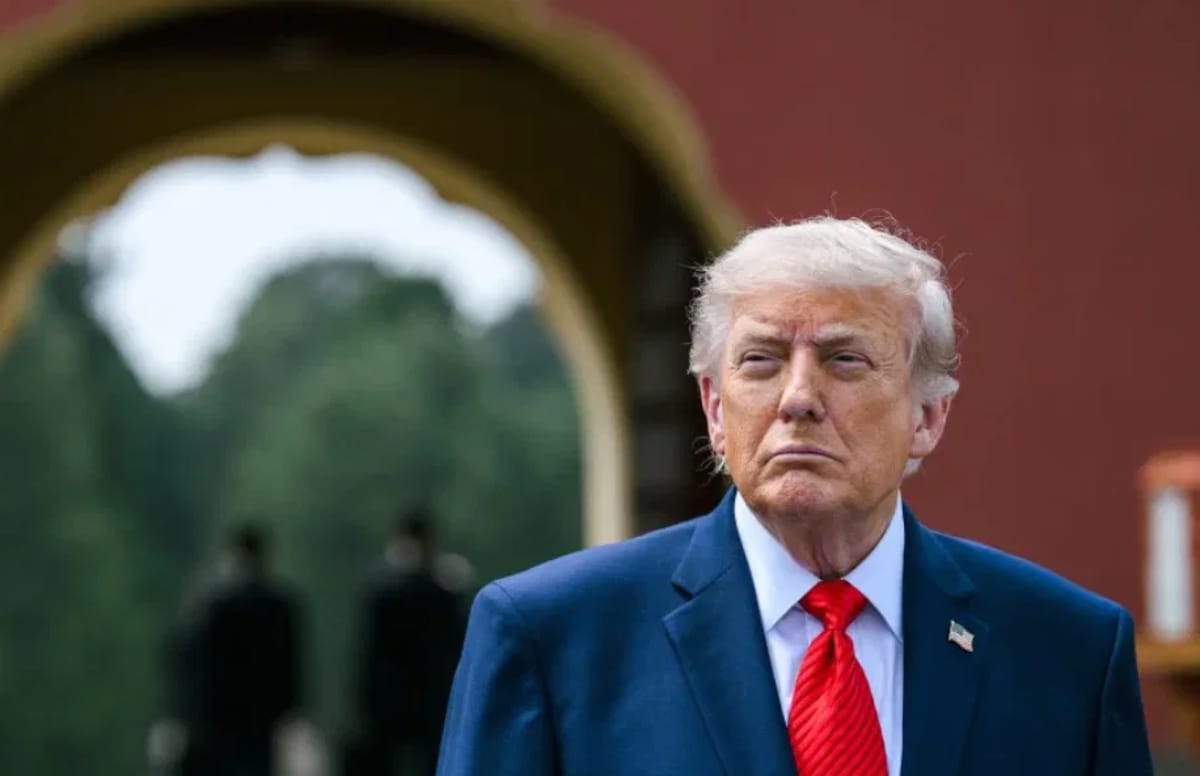
President Donald Trump
President Donald Trump (Photo: White House)

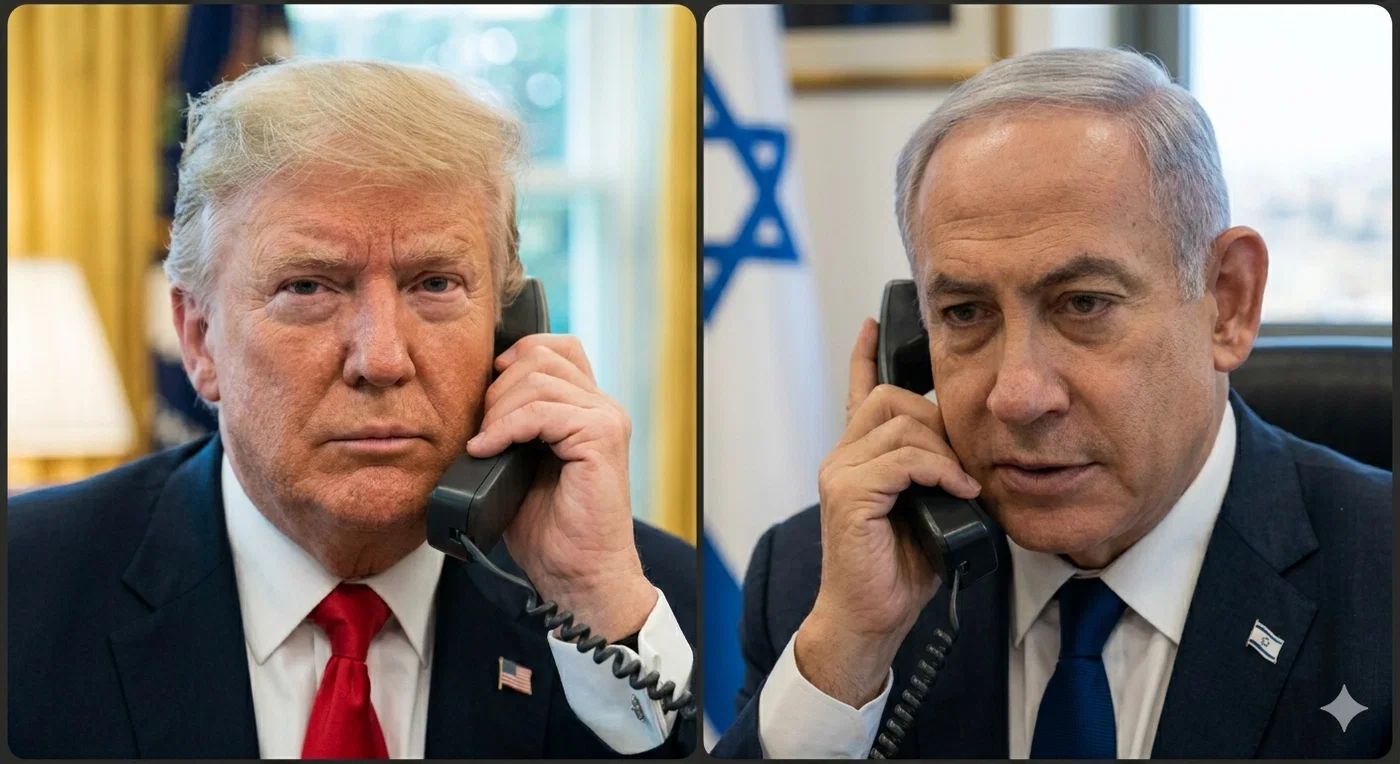
US President Donald Trump delivered an explicit ultimatum to Israeli Prime Minister Benjamin Netanyahu following Iran's overnight ballistic missile strikes on northern Israel, ordering the Israeli leader to freeze all plans for military retaliation against Tehran. The directive, conveyed during a hastily arranged phone call between the two leaders, marks one of the most direct American interventions in Israeli military decision-making in recent memory — raising urgent questions about the true nature of the US-Israel alliance and whether Netanyahu retains genuine operational independence.

Trump made his position unmistakably clear in an interview with the Financial Times, declaring that Netanyahu would have no choice but to accept any deal Washington negotiates with Iran. "I set the rules. I decide everything. He does not decide," Trump stated, according to the report. The American President emphasized that the latest Iranian attacks would not alter his determination to finalize an agreement with Tehran, signaling that diplomatic engagement with the regime remains his paramount objective regardless of Iranian aggression.
The Iranian missile barrage, which broke a two-month ceasefire that had held since early April, came in direct response to Israeli airstrikes targeting military infrastructure across western and central Iran. The Israeli Air Force executed approximately 15 strikes in a coordinated wave, hitting air defense systems, drone warehouses, and a major petrochemical facility in Mahshahr. Iran's Revolutionary Guards claimed responsibility for launching missiles at the Nevatim and Tel Nof air bases, warning they were "prepared for every scenario and for an expansion of the fighting on all fronts."

Trump's restraint directive represents a stark departure from traditional American support for Israeli self-defense operations. Speaking to Axios prior to his call with Netanyahu, the President confirmed his intention to urge Israel not to respond militarily, warning that another Israeli strike could perpetuate the escalation cycle. Trump simultaneously addressed Iran through media channels, calling on Tehran to cease fire and return to negotiations, stating that the regime had "executed enough launches" and that hostilities should be considered finished.

President Donald Trump and Israeli PM Benjamin Netanyahu
President Donald Trump and Israeli PM Benjamin Netanyahu (Photo: Kikar Shabbat)

The Strategic Calculation: Optics or Genuine Constraint?

The critical question now confronting Israeli decision-makers and regional analysts is whether Trump's public posture represents genuine strategic constraint or calculated diplomatic theater designed to provide Washington with negotiating leverage in Tehran. Some Israeli security officials privately acknowledge that Trump's restraint messaging may serve dual purposes: preserving American diplomatic credibility with Iran while simultaneously allowing Israel operational flexibility behind the scenes.

The timing of Trump's intervention is particularly significant. The high-stakes leadership call concluded at a moment when Israel's security establishment was reportedly preparing for possible Iranian missile launches toward all parts of the country. Israeli alert channels indicated that the military was bracing for a forceful Iranian response, with unconfirmed reports citing Revolutionary Guards warnings that Israel had "opened the gates of hell."

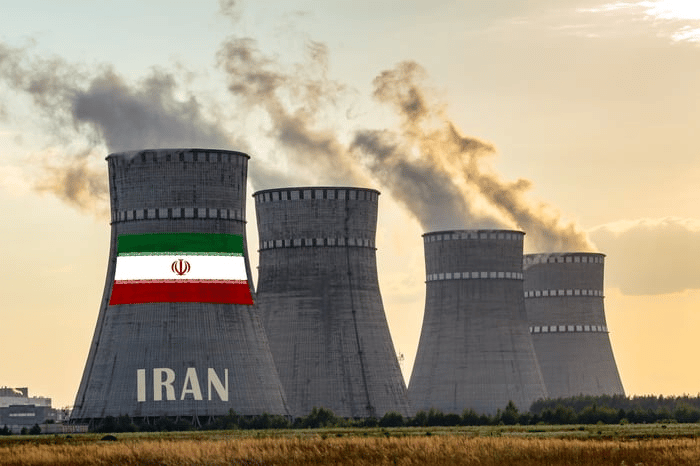
 Iran's Nuclear Facilities
Iran's Nuclear Facilities (Photo: garmoncheg/ SHutterstock)

Netanyahu faced a defining leadership test: whether to comply with Trump's freeze order and risk appearing subordinate to Washington, or to assert Israeli sovereignty and potentially fracture the alliance with Israel's most critical strategic partner. The Prime Minister's responded with a so-called restrained retaliation in the early hours of this morning.

The move reveals the fundamental tension at the heart of the US-Israel relationship in the Trump era: a President who publicly champions Israel while simultaneously pursuing détente with its primary adversary. For Netanyahu, the question is no longer whether Trump supports Israel in principle, but whether that support extends to operational freedom when Israeli and American strategic priorities diverge.

And no one, except Trump himself, knows the answer.

Ready for more?

Join our newsletter to receive updates on new articles and exclusive content.

We respect your privacy and will never share your information.