A dramatic escalation in the Middle East has entered a critical phase following unprecedented U.S. military action inside Iran, altering the geopolitical landscape and shifting the focus of the long-standing confrontation from Tehran’s nuclear ambitions to physical control over the world's most vital energy corridors.
The heavy American strikes, targeting dozens of sites across the Islamic Republic, came in direct response to Iranian attacks on commercial shipping in the Strait of Hormuz. The military exchange has been accompanied by a sharp rhetorical turn from President Donald Trump, who recently characterized the Iranian regime as a "cancer" and accused Tehran of plotting against his life.
According to Dr. Shay Har-Zvi, head of the International Arena and Middle East field at Reichman University’s Institute for Policy and Strategy, the current kinetic conflict marks a fundamental shift in the regional balance of terror. While international observers have historically focused on Iran's nuclear program, Har-Zvi notes that the immediate battlefield is centered squarely on international shipping lanes.
"It is quite clear that the central struggle right now is over the Strait of Hormuz," Har-Zvi said in an interview. "The Americans are trying to open the shipping route close to Oman, and from the Iranian perspective, this is an impossible scenario that strips them of the primary tool they managed to achieve during the war."
Har-Zvi explained that the diplomatic chasm between Washington and Tehran on broader issues has effectively narrowed the conflict down to a physical contest over the maritime channels, given their existential weight to global economic stability and energy supply chains.
"They want protection," Har-Zvi said of Tehran's tactical objectives behind the shipping raids. "They want to establish facts on the ground, to clarify that they are the bosses in the Strait of Hormuz, and in the future even to collect a tax from every tanker passing through there. They fear losing control over who passes and who does not."
Despite the scale of the American bombardment and the administration’s aggressive posturing, strategic analysts observe that both Washington and Tehran appear to be operating under implicit constraints designed to avert an unmanaged slide into full-scale regional warfare.
Political vulnerabilities dominate the calculus on both sides. Trump faces upcoming domestic midterm elections and remains highly averse to entanglement in an expansive land war. Concurrently, the clerical regime in Tehran is recalibrating after sustaining severe operational damage, seeking to avoid a catastrophic symmetric showdown with the United States.
This mutual desire for containment is reflected in Iran's targeting choices, which have remained restricted to forward U.S. military installations in the region, such as those in Kuwait, while conspicuously avoiding strikes against regional energy hubs in Saudi Arabia, the United Arab Emirates, or Israel.
Nonetheless, Har-Zvi warned that implicit rules are fragile deterrents against miscalculation. "The fact that both sides do not want war does not guarantee quiet," he stated. "Another attack and another response can roll the event into other places."
For Israel, the volatile friction presents a nuanced strategic window. Trump's personal grievances with the Iranian leadership—catalyzed by what the administration views as systematic deception and direct personal threats—have shifted the president's historically transactional approach toward the region.
"Iran, Hezbollah, and Hamas operate out of extreme ideological and religious perceptions," Har-Zvi observed. "Trump is a businessman; he didn't always believe in or consider this layer. Now, when he has experienced firsthand the lies, stalling, and attempts to deceive him, it can certainly strengthen Israel's strategic and security cooperation with the U.S."
However, Har-Zvi cautioned Israeli policymakers to anchor their expectations in strategic realism rather than expansive geopolitical ambitions. Washington, he noted, is unlikely to entertain objectives centered on regime change in the near term. Instead, Israel must present the administration with limited, achievable military milestones paired with a transparent exit strategy.
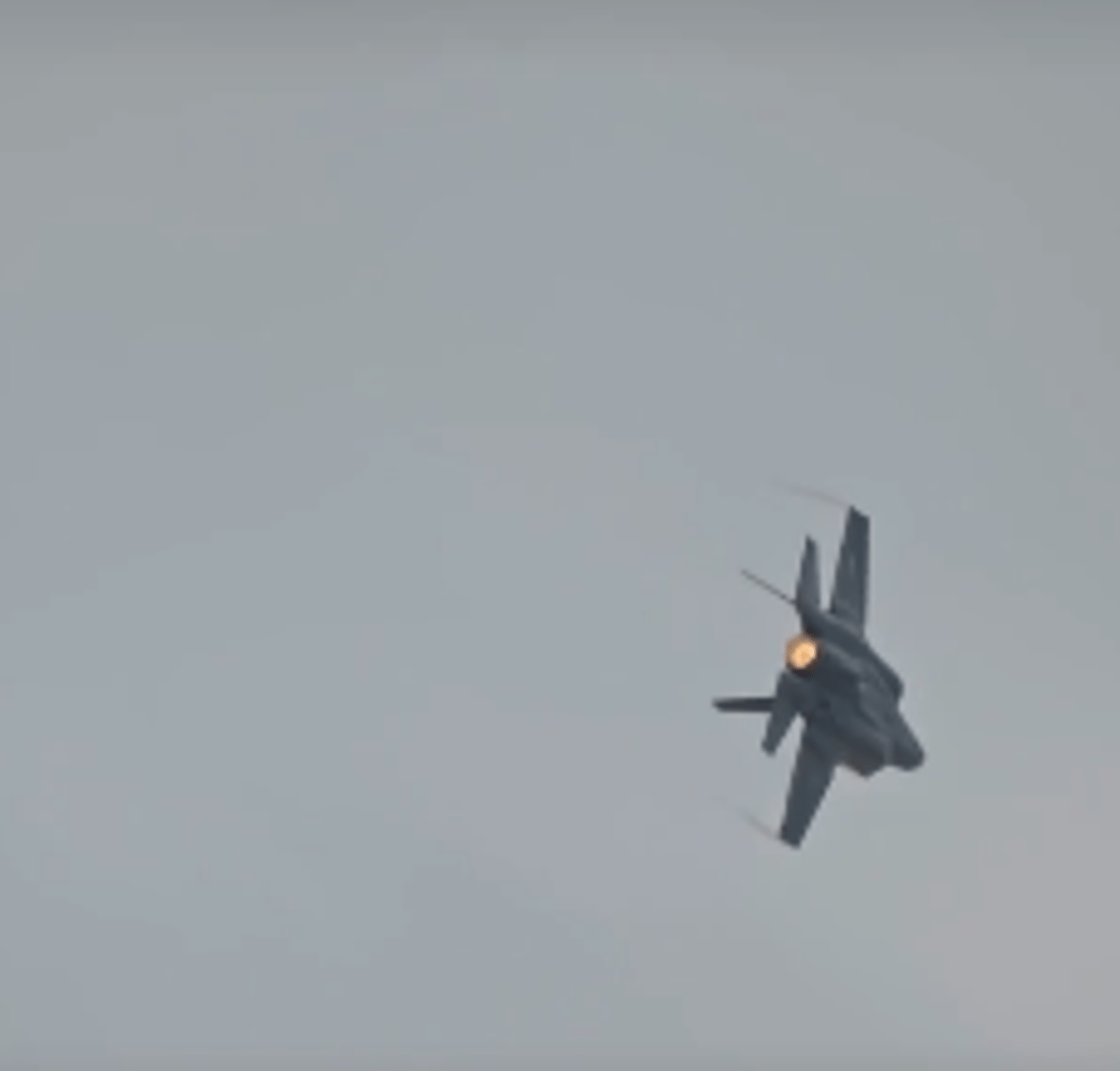
Beyond the immediate kinetic theater, a quieter, secondary diplomatic front is rapidly developing between Israel and Turkey. As Israeli officials actively lobby Washington to block the transfer of F-35 fighter aircraft to Ankara, the structural competition between the two nations has pivoted toward long-term economic architecture—specifically, the trajectory of the India-Middle East-Europe Economic Corridor (IMEC).
With Turkish President Recep Tayyip Erdogan leveraging a strong rapport with Trump, Ankara is aggressively maneuvering to reroute the proposed trade corridor. While Israel seeks a trajectory running from the Gulf states through its territory to Europe, Turkey is pressing for an alternative path crossing the Gulf into Syria and Turkey.
"This is an event that could change the entire economy and architecture of the Middle East," Har-Zvi said, "and here Israel must work wisely with the Americans to stay on the map."