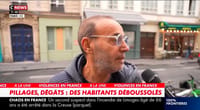
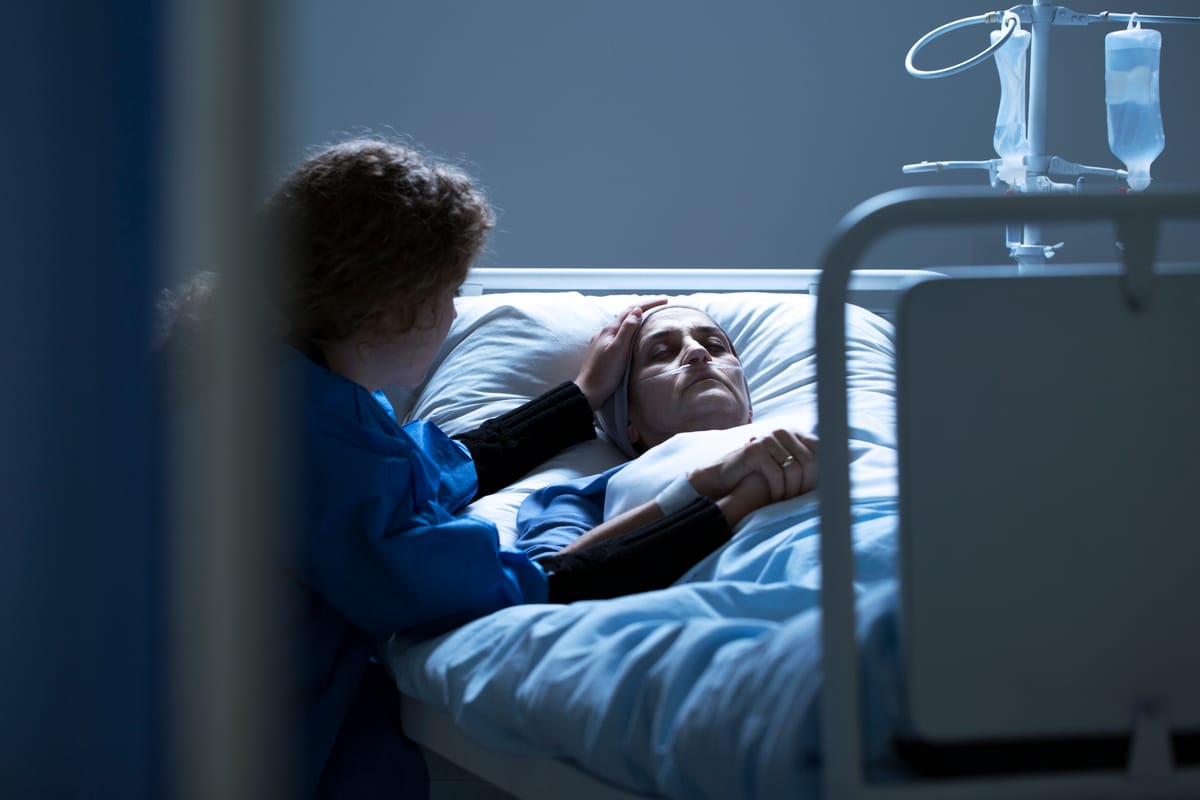
Rosalia Shikhverg, a survivor of the brutal Bondi Beach terror attack, has come forward with a harrowing account of her treatment at Liverpool Hospital in Western Sydney. After being struck in the head by shrapnel during the mass shooting attack, Shikhverg sought medical care only to find her sense of identity and safety further compromised by the very institution meant to protect her. In a startling move that has raised serious questions about the safety of Jewish patients in the Australian public health system, administrative staff allegedly erased her name and religion from her medical records, replacing her identity with the pseudonym "Karen Jones." This incident occurred against a backdrop of rising extremism in the region, including a previous scandal where local nurses were caught on video openly threatening to kill Jewish and Israeli patients. For Shikhverg and her family, the hospital's attempt to "protect" her felt less like a security measure and more like a surrender to the growing climate of fear and radicalism.
Erasing a Victim's Identity
The trauma for Rosalia Shikhverg began just one day after her admission to the hospital. While she was preparing for surgery to treat her head wound, staff informed her that her identifying wristband would be removed. "They cut my band, and they put on a new band with the name ‘Karen Jones’ without any religion," Shikhverg recounted during an emotional interview. The hospital administration claimed the change was a protocol to protect her from media intrusion, but Rosalia and her husband, Greg Shikhverg, found the explanation entirely unconvincing. Greg questioned why no other victims of the same attack, who were being treated in other suburbs, were subjected to similar identity changes. "Why was this appropriate in the Western suburbs?" he asked, pointing to the specific demographic tensions in the area.
The fear expressed by the Shikhvergs is rooted in a recent history of radicalization within the Western Sydney medical community. In early 2025, two nurses at the nearby Bankstown Hospital were suspended and investigated after a viral video showed them boasting that they would send Israeli patients to "hell" and refused to treat them. Rosalia believes that the staff at Liverpool Hospital were not protecting her from the media, but were instead terrified of how their own colleagues or the local community might react to a Jewish terror victim on the ward. She described crying throughout her entire stay, feeling that she had been forced to hide who she was in her own country.
A Changing Australia
The Shikhvergs, who have called Australia home for nearly fifty years, expressed deep sorrow over what they perceive as a dramatic and dangerous shift in the country's social fabric. Rosalia noted that she would now think twice before admitting herself to a public hospital, fearing that being Jewish has become a liability for personal safety. The incident has resonated throughout the Australian Jewish community, with many asking if they must now fear seeking basic healthcare. This climate of tension is further complicated by recent government actions, such as the revocation of the visa of British-Israeli influencer Sammy Yahood. Yahood, who was scheduled to lead self-defense workshops and speak at synagogues about the dangers of radical ideologies, was barred from entry by the Albanese government on the grounds that he "spreads hatred."
The juxtaposition of the government’s swift action against a Jewish influencer while victims like Shikhverg feel forced to hide their identity in public hospitals has sparked significant concern. Critics argue that the government’s leniency toward radical elements has allowed a culture of intimidation to flourish in Western Sydney. As Rosalia Shikhverg recovers from her physical wounds, the emotional scars of being "Karen Jones" remain. Her story reminds us that if the state cannot guarantee the safety and identity of its citizens in its most essential institutions, the values of a multicultural and secure Australia are under direct threat.