Human rights organizations continue to document a staggering rise in fatalities from Iran's ongoing protest crackdown, with one group reporting 4,029 confirmed deaths and an additional 9,049 cases still being verified, pushing the overall estimate beyond 13,000 killed. Official Iranian sources acknowledged around 2,000 deaths, including some security personnel, while opposition media outlet Iran International cited at least 12,000 killed. Independent verification remains nearly impossible due to the prolonged internet blackout and restricted access to morgues and hospitals.
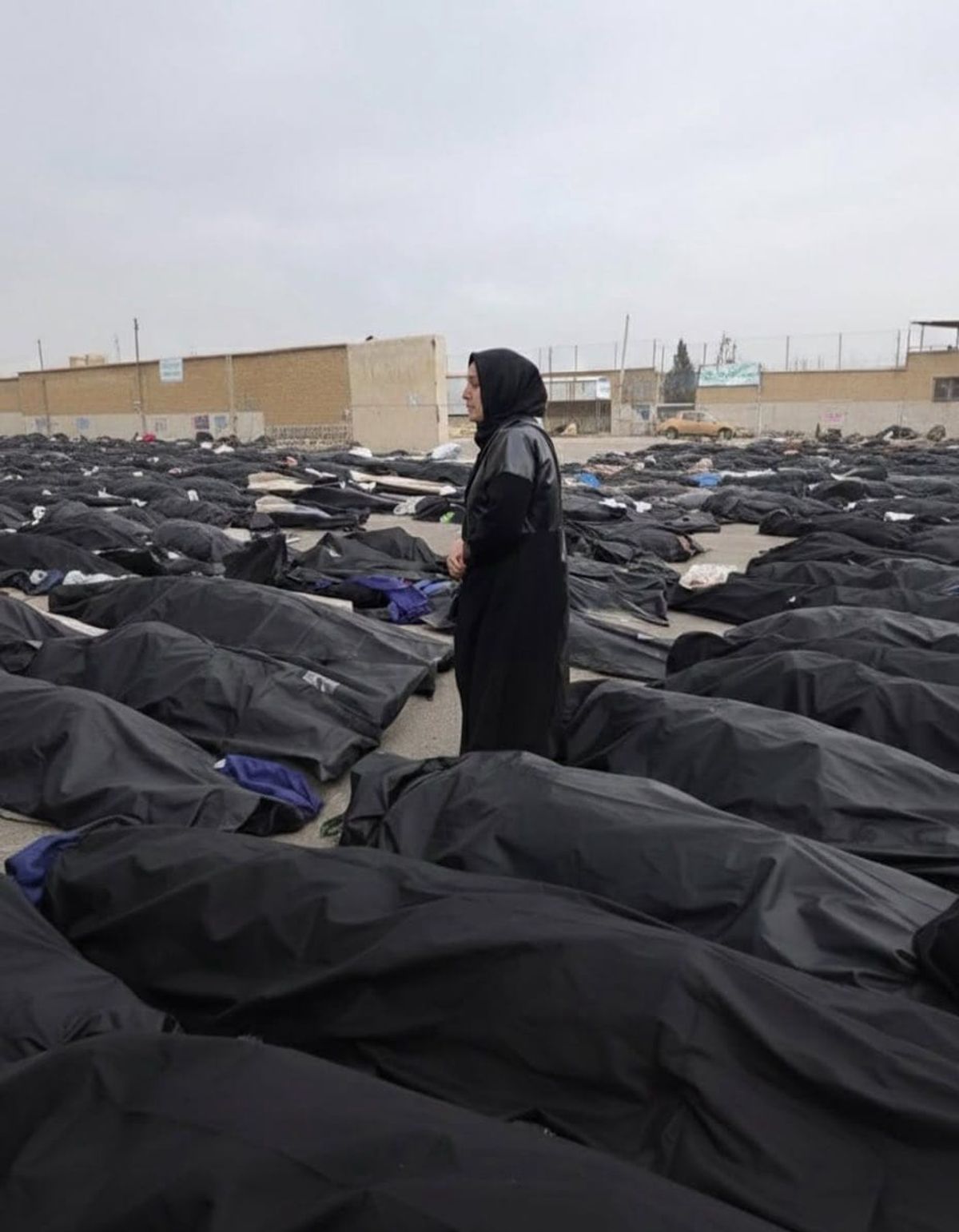
In Tehran the main mourning site has become Kahrizak Forensic Center, where hundreds of bodies in bags lie in a massive warehouse on the capital's outskirts. Parents and relatives search desperately among the corpses to identify loved ones killed by regime forces. Rights groups place the verified toll around 650 but stress the real number is significantly higher, with the blackout allowing the regime to intensify violence without immediate global scrutiny.
In Kermanshah a 17-year-old protester named Amir Ali Heydari was shot in the heart and then beaten on the head with rifle butts until his skull shattered. His cousin in Britain, Diyako, recounted the horror based on family reports. "They shot him in the heart and he tried to take his last breaths. Then they beat him on the head with the butt of the rifle. They hit him so many times that his skull broke." When relatives reached the morgue they were given a death certificate listing the cause as "fall from height." Diyako added that two of Amir's friends were in intensive care and many others were killed similarly. The scale of deaths in Kermanshah was so large that police commandeered buses to transport bodies to the morgue. Amir's uncle reported seeing 500 additional corpses at the hospital while identifying his nephew.
These accounts, combined with morgue footage showing mass casualties, illustrate the regime's extreme response to demonstrations demanding freedom. As the blackout persists, the true extent of the bloodshed may take months or years to fully emerge, but current evidence points to one of the deadliest suppressions in Iran's modern history.