The debate over Zionism reaches the party leadership
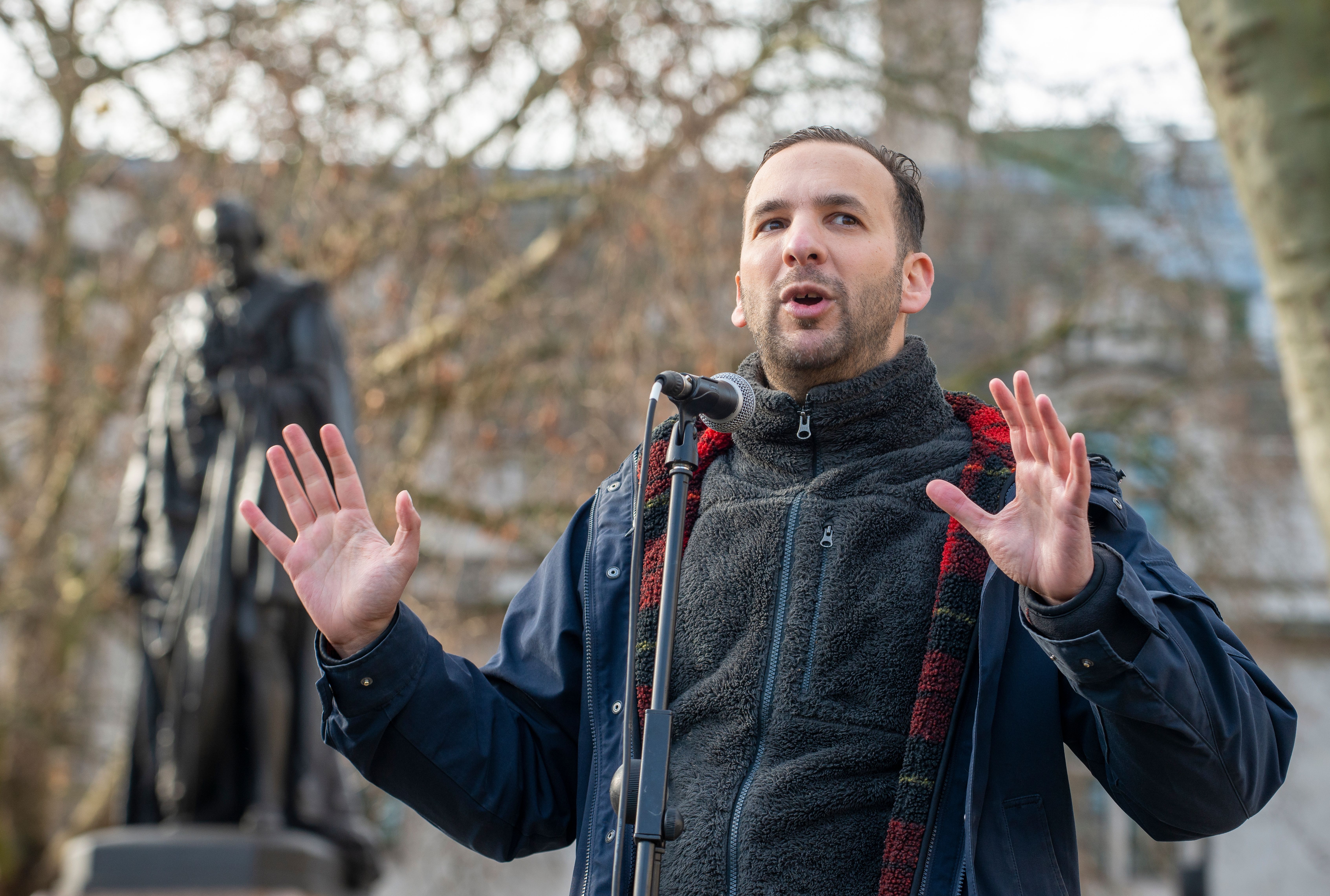
The party is led by Zac Goldsmith, a Jew who speaks sharply against Israeli policy. In recent years, debates within the party have expanded around Israel, the war in Gaza, and the definition of Zionism. At the same time, criticism has been voiced about candidates and activists linked to antisemitic statements or the spread of conspiracy theories against Jews.
In October of this year, the controversy intensified after the party adopted a policy at its conference defining Zionism as racism and supporting a single Palestinian state across all of historic Palestine. The decision drew opposition from Jewish organizations in Britain, who argued it harms the identity of many Jews and their right to national self-determination.
On October 25, the Board of Deputies of British Jews, the central representative body of the Jewish community in the country, decided to define the Green Party as a racist party following the adoption of the policy. The decision passed with 118 supporters and one opponent. The Green leadership rejects the accusations and claims the policy is directed against Zionism and not against Jews because of their Judaism.
The distinction between criticism of the Israeli government and antisemitism is a central issue in public debate in Britain. However, statements that attribute murderous acts to Jews as a group, describe them as an abomination, or suggest they are staging attacks against their own institutions go beyond political criticism and raise real concern about the spread of hatred against Jews.
The publications therefore raise a question that goes beyond the political debate over Israel: is the party capable of dealing decisively with antisemitic statements among its activists, even when they come from circles identified with its pro-Palestinian activity, or does the political struggle against Israel and in Gaza make it difficult for the party to draw a clear line against discourse hostile to Jews.
Goldsmith himself suffered a defeat in the election for the parliamentary seat of Holborn and St Pancras in London in early October, when Labour Party candidate Sagal Abdi-Wali won by a significant margin. The defeat came amid public uproar over the party's decision on Zionism.