Economic Policy

Sugar Tax Impact Persists After Repeal

Israel Tax Authority research shows consumption and prices haven't returned to pre-tax levels despite 2023 cancellation, with haredi communities particularly affected

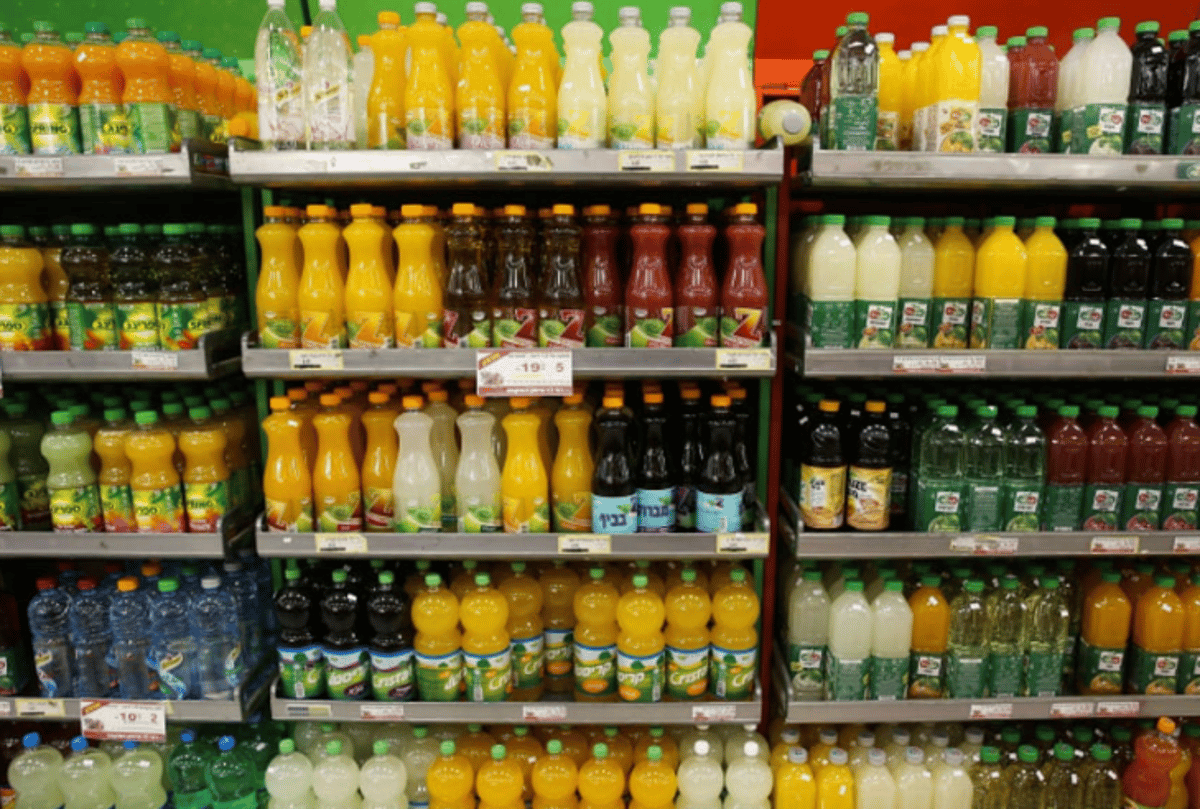
Swet drinks on an Israeli supermarket shelf

A comprehensive study released Wednesday by the Israel Tax Authority reveals unexpected long-term effects from the country's short-lived tax on sugary beverages. Despite the tax being repealed in March 2023, just over a year after implementation, both prices and consumption patterns have failed to return to their original levels.

The research, conducted by Rivka Efremov, Yulia Unger, and Tal Cohen-Teper from the Tax Authority's Planning and Economics Division, analyzed consumption and pricing data from the tax's introduction on January 1, 2022, through several months following its cancellation on March 30, 2023.
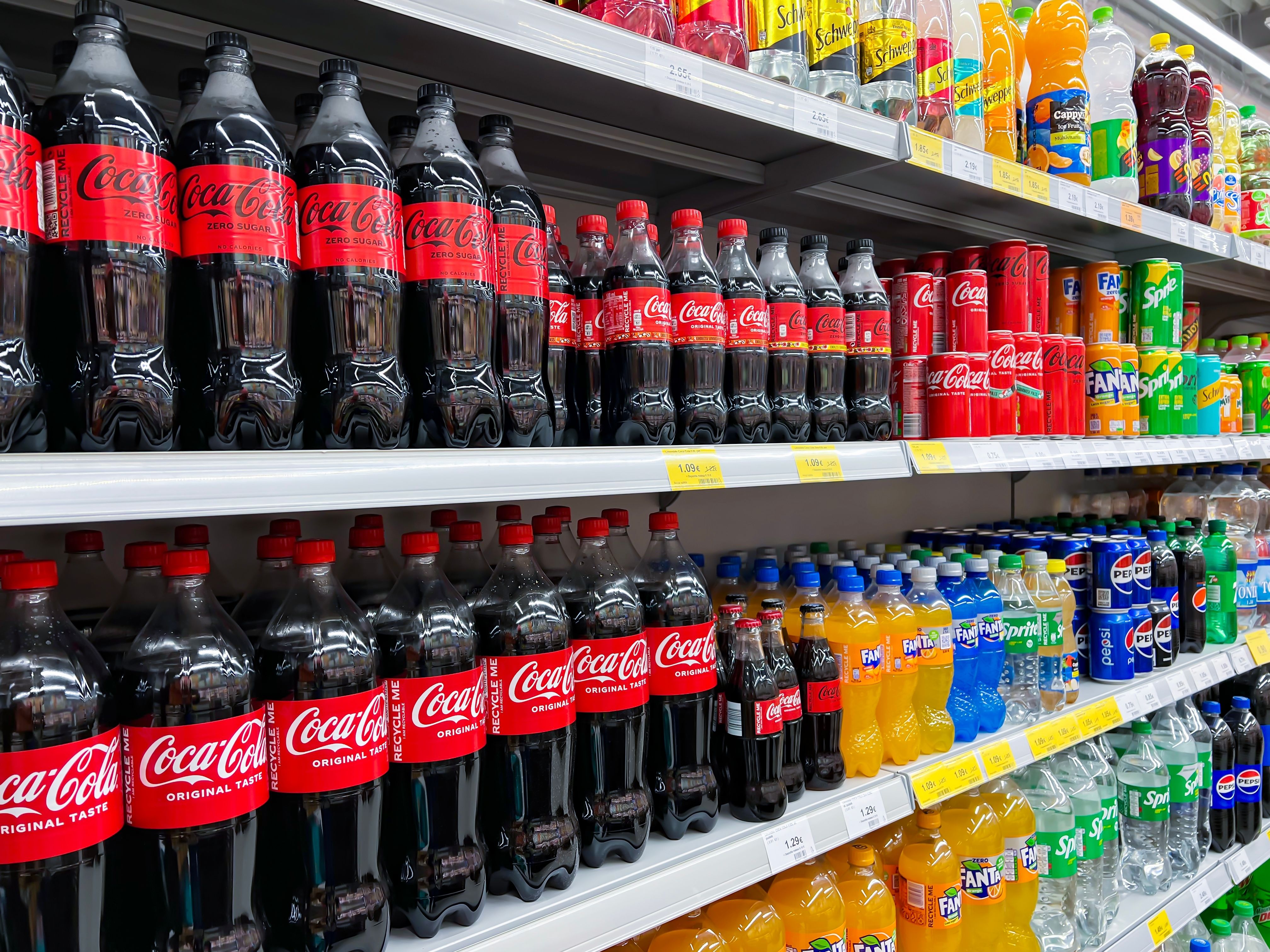

The study uncovered asymmetric pricing behavior by manufacturers and retailers. When the tax was imposed, price increases exceeded the actual tax amount—even after accounting for inflation. Producers and retailers effectively used the tax as cover to raise prices beyond what the levy required.

When the tax was canceled, however, the reverse occurred: price reductions fell significantly short of the tax amount removed. Consumers did not receive the full benefit of the tax repeal, and the reduction in government revenue did not fully translate into lower prices at the register.

In the short term, researchers found, the entire tax burden shifted to consumers and was even exploited for additional price increases. Over the longer term, following repeal, a substantial portion of those price increases remained in place.

Consumption patterns showed similarly persistent effects. The tax's implementation led to a 12% decline in sugary drink consumption. After repeal, consumption rose by only 5%—meaning it never recovered to pre-tax levels.

This finding suggests the tax created lasting changes in consumer behavior that outlived the policy itself. A portion of consumers apparently altered their habits permanently and did not revert to previous consumption patterns.

Sweet drinks
Sweet drinks (Photo: Shutterstock)

The research identified particularly pronounced effects within Israel's haredi (ultra-Orthodox) community. The tax had a significantly greater impact on consumption in this sector compared to the general population, with sharper declines indicating higher price sensitivity among haredi consumers.

This finding aligns with the pressure haredi political parties exerted to cancel the tax, arguing it disproportionately harmed their community, where sugary beverage consumption rates are higher than the national average.

The tax structure imposed one shekel per liter on regular sweetened beverages, and six shekels per liter of concentrate or per kilogram of powder for preparing sweet drinks. An additional 70 agorot per liter applied to beverages with sugar content below 5 grams per 100 milliliters, drinks containing other sweeteners, and fruit juices with more than 5 grams of sugar per 100 milliliters.

The tax generated approximately 900 million shekels in government revenue during 2022. According to Tax Authority estimates, had the tax remained in effect through 2025, accounting for price increases and inflation, it would have generated approximately 1.05 billion shekels in additional revenue.

Then-Finance Minister Avigdor Lieberman introduced the sugary drinks tax in late 2021, aiming to reduce consumption and promote healthier lifestyles. After the current government took office, Finance Minister Bezalel Smotrich temporarily suspended the tax in early 2023, with the temporary order extended multiple times before permanent cancellation.

The repeal proceeded despite opposition from senior Treasury officials, who estimated the decision would cost the government over one billion shekels in lost revenue. The new research now provides data-driven evidence of the tax's actual effects and the consequences of its cancellation.

Ready for more?

Join our newsletter to receive updates on new articles and exclusive content.

We respect your privacy and will never share your information.

Enjoyed this article?

Yes (10)
No (0)
Follow Us:

Unmissable content


Loading comments...

Also of Interest