Get our mobile app
Download on the App StoreGet it on Google Play

Consumer Guide

How to Spot Fake Honey

As global demand rises and bee populations face challenges, honey fraud has become a lucrative international industry. Here's how to test if your honey is genuine.

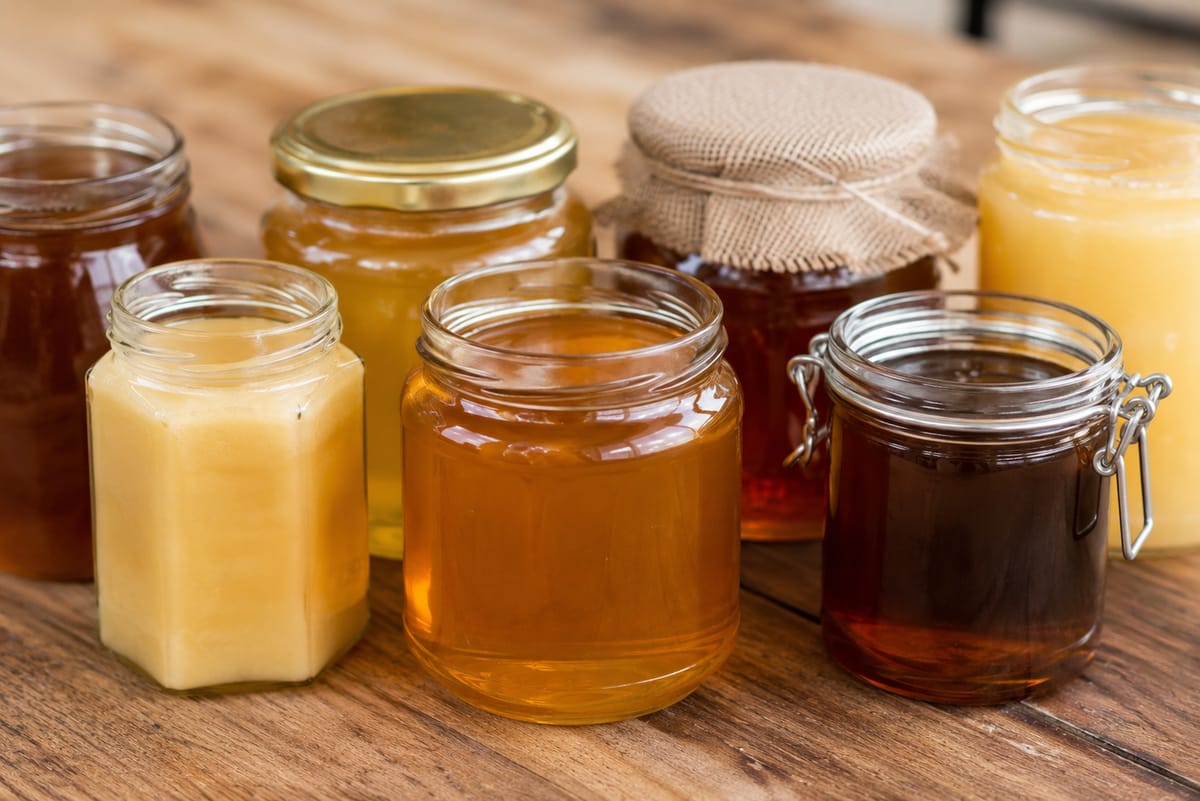
Different types of Honey

Illegal honey counterfeiting operations are private, hidden enterprises that thrive year-round with steady profits, unlike the seasonal flowers from which genuine bee honey is produced. This raises an obvious question: why would anyone go to such lengths to fake honey?

Researchers have examined this question thoroughly and found multiple answers.

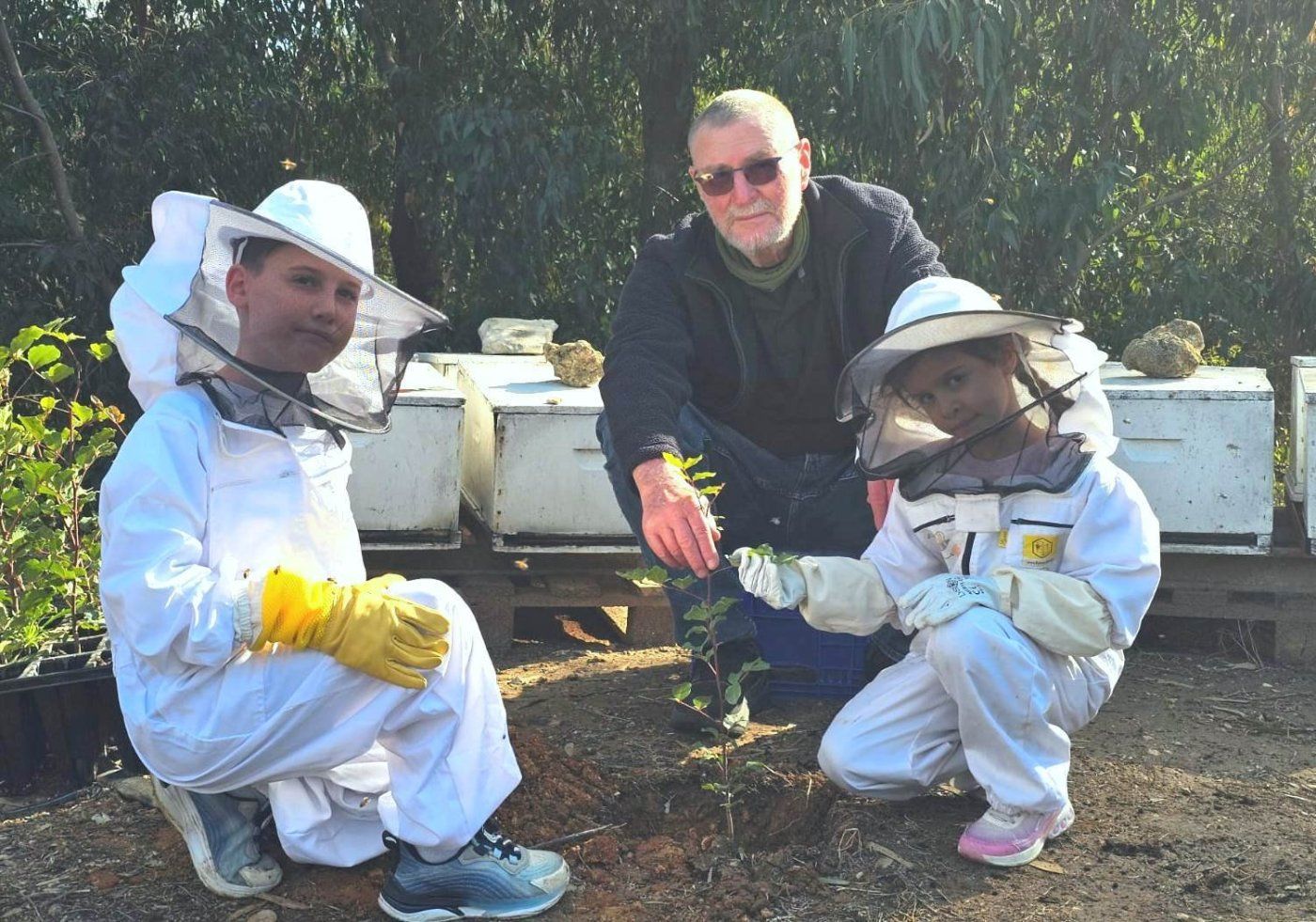
Inbal Lesimon, beekeeper grandfather Shabtai Simon, and Ron Simon—members of a beekeeping family in Kfar Sirkin.
Inbal Lesimon, beekeeper grandfather Shabtai Simon, and Ron Simon—members of a beekeeping family in Kfar Sirkin. ((Photo: Simon Apiary))

An International Counterfeiting Industry

Several key factors drive the counterfeiting of pure natural honey:

Massive price gaps: Producing natural honey requires skilled beekeepers with proper equipment, bee cultivation, regulated seasonal flowering with sufficient blooms of specific varieties, and favorable weather conditions. By contrast, readily available materials for creating products that match honey's appearance, texture, and even taste, such as various syrups based on corn or rice sugar, make counterfeiters' work much easier. Sometimes they even coat the fake product with a small amount of genuine natural honey.

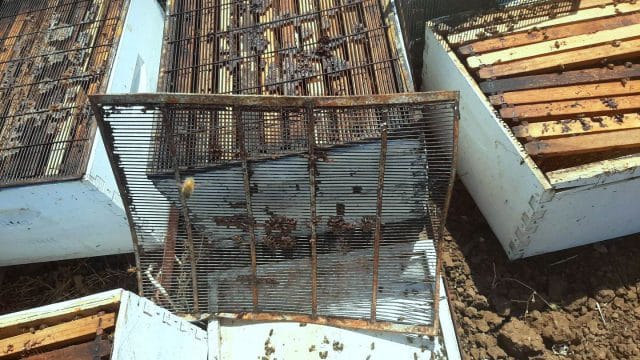
Dozens of honeycombs stolen in the Western Galilee (Pirchei HaGalil Apiary)
Dozens of honeycombs stolen in the Western Galilee (Pirchei HaGalil Apiary) (Dozens of honeycombs stolen in the Western Galilee (Pirchei HaGalil Apiary))

Sophisticated counterfeiting methods: Many companies don't simply sell basic syrup, but rather blend raw materials for bee honey production with industrial substitutes. Another technique is ultra-filtration, which removes pollen grains, the very particles from which honey is made, making it difficult even for laboratories to identify the honey's geographic origin.

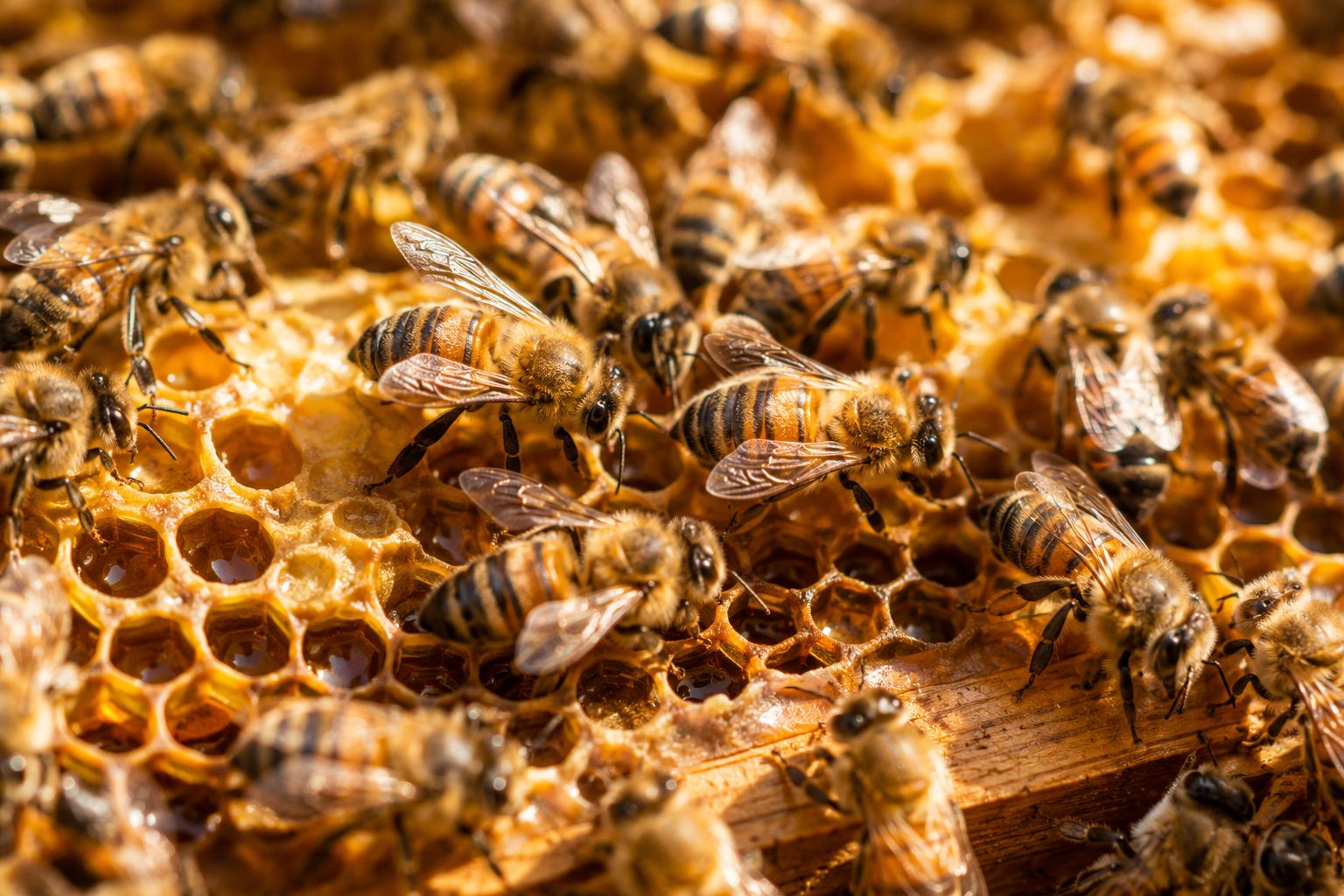
Bees
Bees (צילום: AI)

Global shortage versus high demand: Worldwide demand for honey continues to rise steadily, as an addition to hot beverages in winter and for baking year-round. However, global bee populations experience periodic growth crises, such as natural bee colony collapses. To meet demand and maintain low, stable prices in the global honey market, producers driven by purely economic considerations turn to counterfeiting and adulteration.

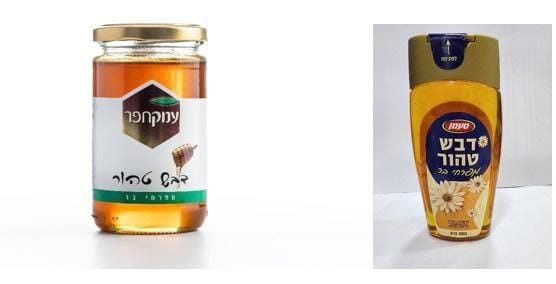
Honey
Honey (Emek Hefer Apiary)

Difficulty in detection: It's extremely difficult for an ordinary person traveling abroad or temporarily living overseas, purchasing products at a neighborhood supermarket or even a factory store in a foreign country, to distinguish between real and fake honey based solely on taste, smell, or the product's misleading appearance. Reliable identification requires tests that can be conducted at home, or for complete certainty, in a professionally equipped laboratory.

Glass of water
Glass of water (צילום: Shutterstock)

Home Honey Laboratory

Here are three simple methods to identify fake honey at home after bringing it back from abroad for Rosh Hashanah (the Jewish New Year):

1. The water test: Pour a spoonful of honey into a glass of room-temperature water and observe how it dissolves. Genuine honey will take a long time to sink in the water without stirring due to the raw material's density, but syrup-based honey will dissolve immediately in water even without stirring, like flavored drink syrups.

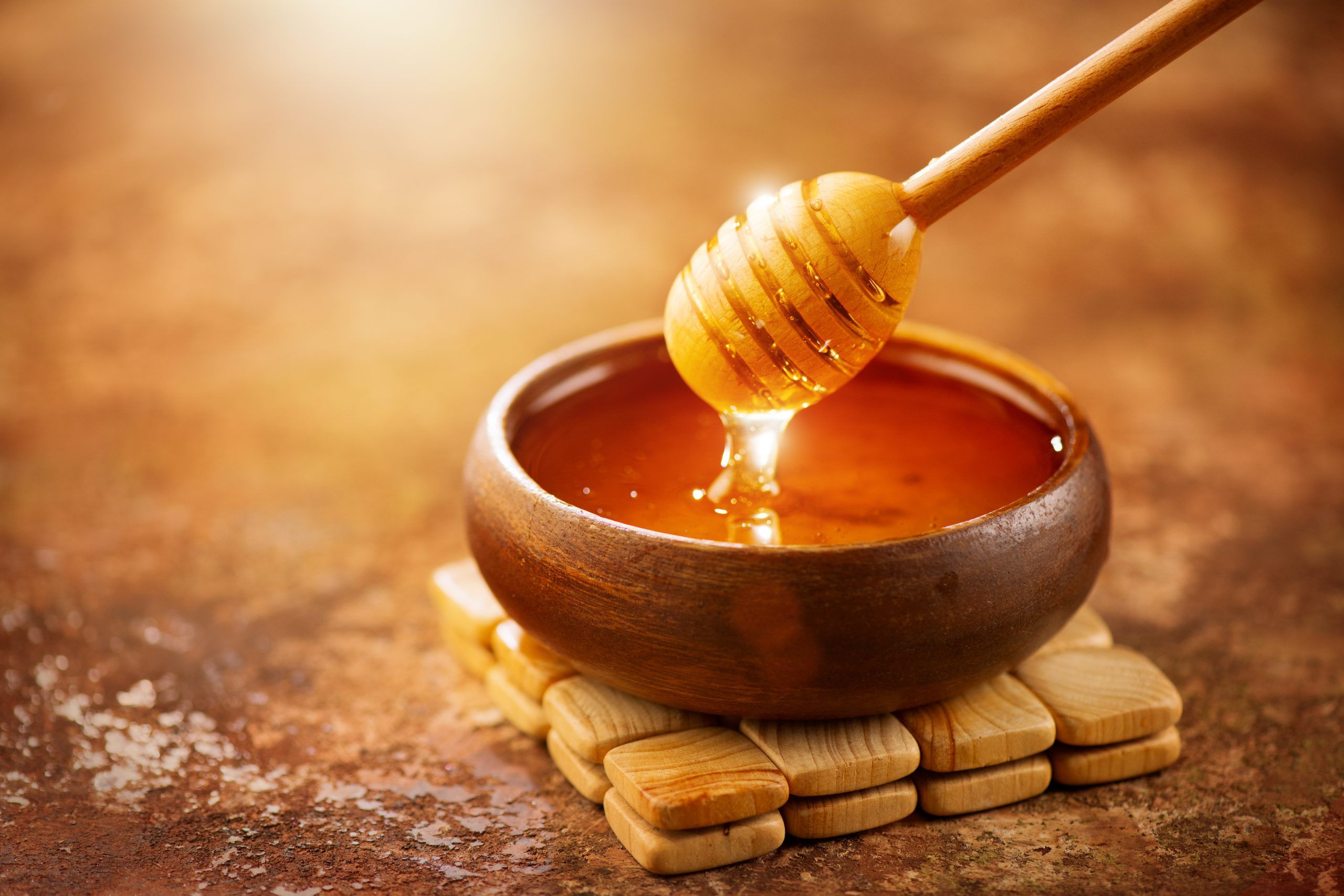
Honey
Honey (Shutterstock )

2. The crystallization test: Honey that has sat unused for an extended period will crystallize, thicken, and become grainy, different from its state at purchase (in this condition, it can be returned to its pre-crystallization state by placing the honey jar in moderately warm water). Honey that remains clear and liquid over time is most likely a processed, counterfeit product.

3. The flow flexibility test: Take a small spoon and insert it into the honey jar, and after it's full, turn it downward, or drip one large drop of honey onto your fingertip or thumb. Genuine, original honey will remain on the spoon or fingertip and pour downward as a thin, thick, uniform thread that won't break quickly. Fake honey based on some type of syrup will drip in drops and spread across the entire surface.


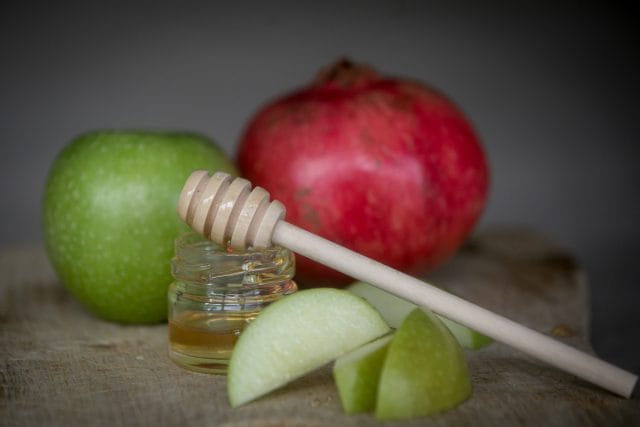
Apples and honey
Apples and honey (Miriam Alster/flash 90)

To identify genuine honey anywhere in the world, perform the following steps: look for an authentic international or Israeli quality certification (even abroad), purchase the product directly from a known apiary with an original certificate of authenticity, and verify in the ingredients that the product contains 100% pure honey without additional or unfamiliar components, and is not sold as processed products or sweets.

It's important to note that fake honey also has significant and dangerous health implications: pure natural honey contains polyphenols (antioxidants), anti-inflammatory compounds, and enzymes that aid the digestive and immune systems. Fake honey deprives the body of these protective and essential components.

Be sure to purchase genuine, authentic honey for a year that will truly be good.

Ready for more?

Join our newsletter to receive updates on new articles and exclusive content.

We respect your privacy and will never share your information.

Enjoyed this article?

Yes (19)
No (1)
Follow Us:

Unmissable content


Loading comments...

Also of Interest