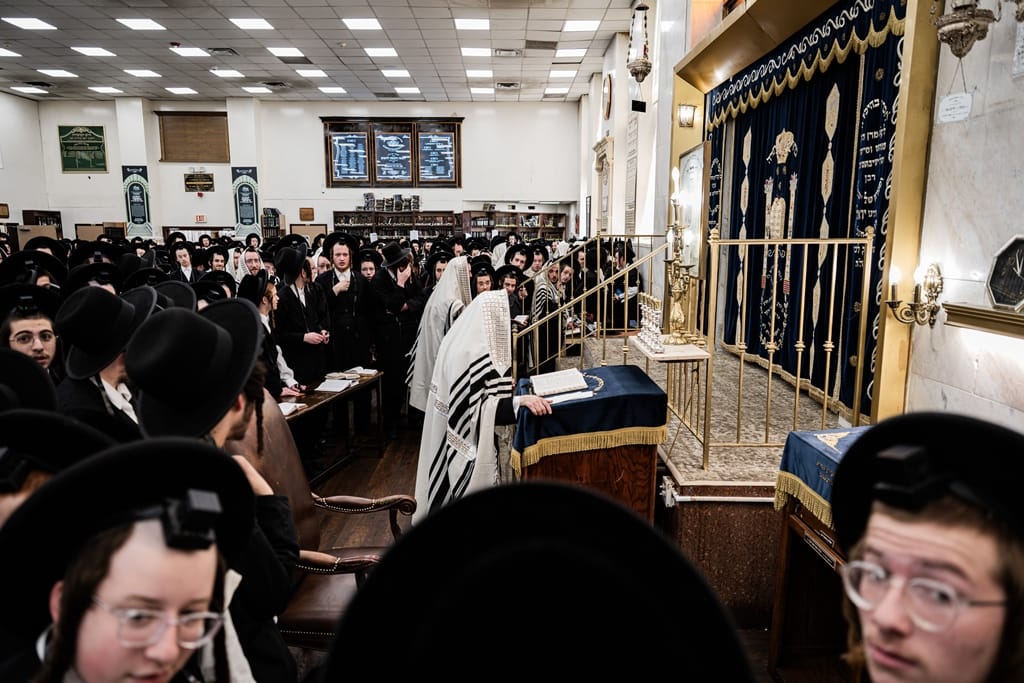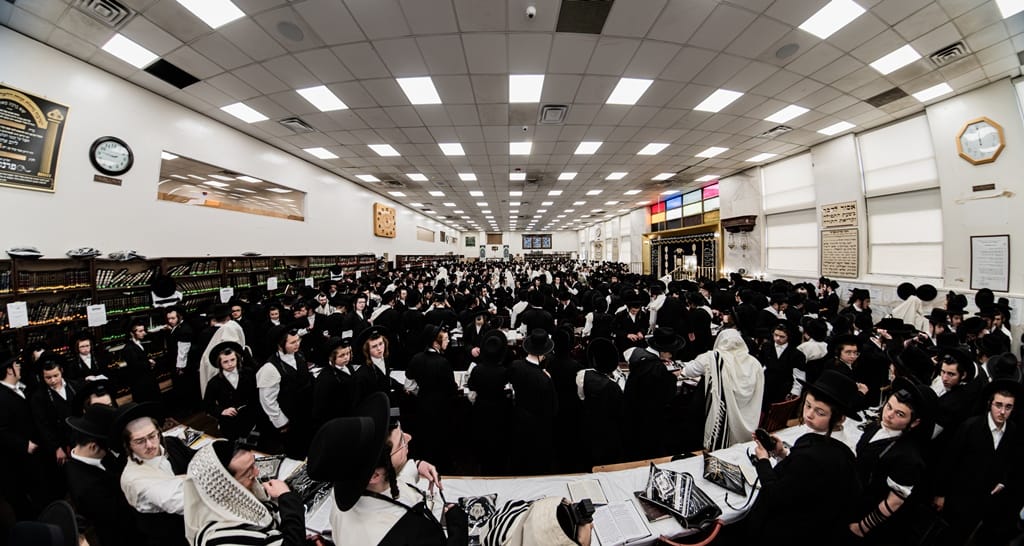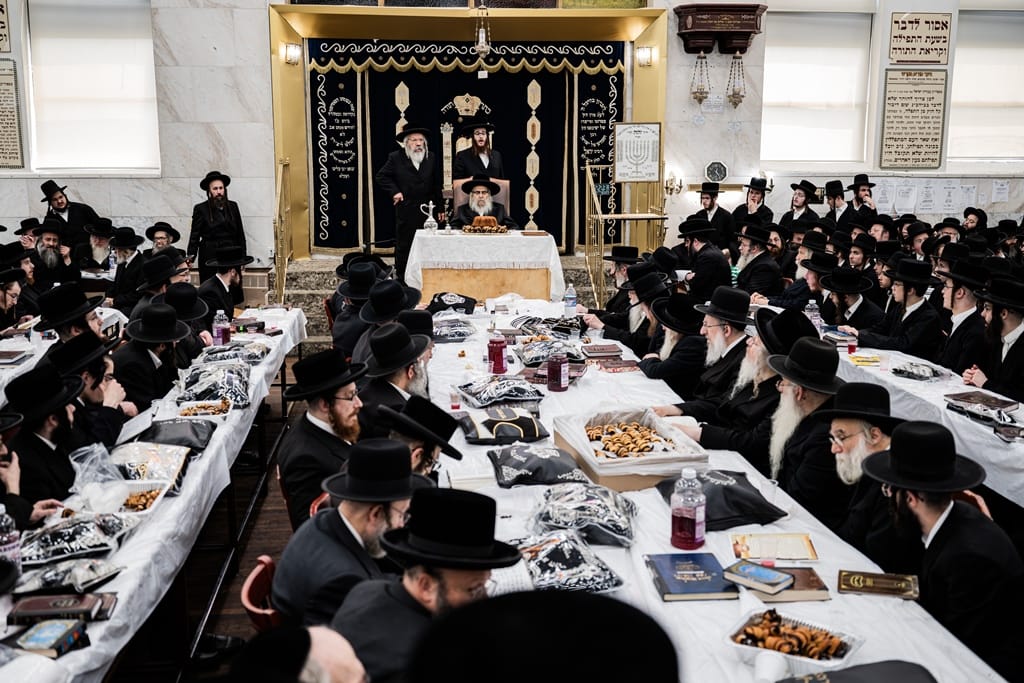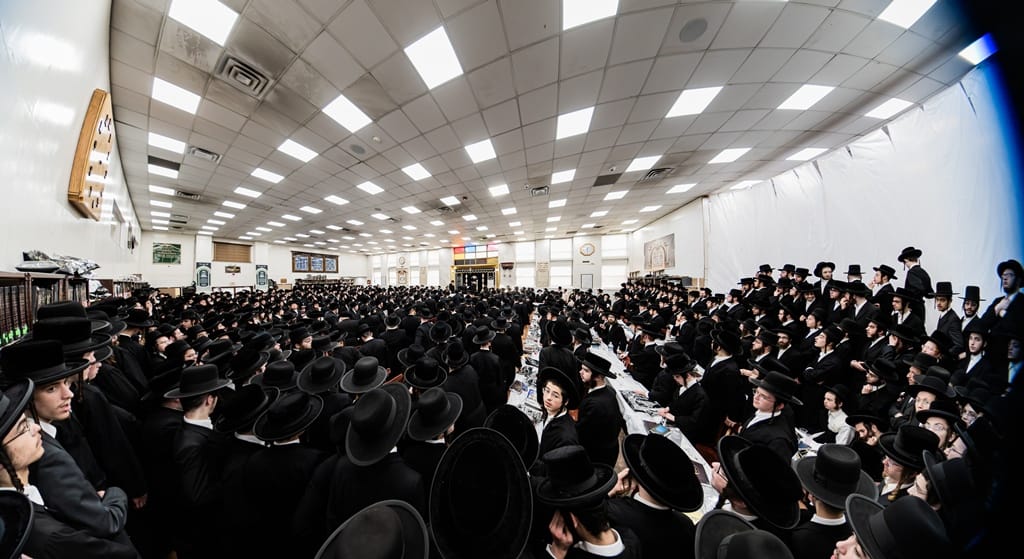

The Satmar Rebbe of Kiryas Joel held his annual memorial gathering this week at his main synagogue in the upstate New York village, marking the anniversary of his predecessor's passing. The event commemorated his uncle, Rabbi Yoel Teitelbaum, known as the author of "Vayoel Moshe" and founder of the Satmar Hasidic dynasty in America.
During the gathering, attended by thousands of followers, the Rebbe addressed both spiritual teachings and pressing practical concerns facing his community and the broader ultra-Orthodox world. The most urgent among these were the twin challenges of housing affordability and the financial burden of marrying off children—issues that resonate across Hasidic communities globally. The Rebbe's remarks combined announcements of ambitious construction projects with sharp criticism of deceptive practices in the real estate market, illustrating the tension between community growth and the vulnerability of individual families navigating major purchases.
The Rebbe began by highlighting Kiryas Joel's success in maintaining affordable housing compared to other ultra-Orthodox population centers worldwide. He attributed this to a strictly enforced community regulation capping apartment prices at $300 per square foot, a policy that has kept housing costs significantly below market rates in nearby Hasidic neighborhoods.
He then presented a detailed inventory of current and planned construction projects throughout the village. The Harmonie development, named "Vayoel Moshe" after his predecessor, is adding entire new streets that will eventually house approximately 2,000 families. The Mountain Ridge area, called "Atzei Chaim," is undergoing extensive infrastructure work for 800 housing units. Smaller projects include 200 apartments in the Oppenheim/Wurzwesky complex, 300 units on Forest Road, and additional developments of 200 units each at the Forest-Acres intersection and the Acres-Bakerstown area near the lakeside. Scattered smaller projects will add hundreds more units across the village.
Beyond Kiryas Joel itself, the Rebbe announced that all building permits have been secured for the first 200 apartments in a new town called "Kiryas Moshe" in Monticello, New York, where prices will be even lower than in the main village. In what he termed a historic development, he revealed long-term plans for 3,000 to 4,000 additional units in Monticello, and significantly, these will be available to the broader ultra-Orthodox community, not exclusively to Satmar Hasidim. This represents an unusual openness in a movement known for maintaining distinct community boundaries.
Following these positive announcements, the Rebbe's tone shifted sharply as he turned to what he called a crisis of deception in real estate transactions. He directed his criticism at sellers and brokers who mislead buyers with false information about apartment sizes and, especially, property tax obligations.
"I cannot restrain myself," the Rebbe declared forcefully. "This is biblical fraud!" He invoked the medieval commentator Rashi's description of such deceivers in Vaykira as "hated, detestable, excommunicated and abominable."
To illustrate his point, the Rebbe produced actual tax documents from a community member who had visited him that very day. He explained that this young married scholar had purchased an apartment outside the official boundaries of Kiryas Joel village after being assured that his combined property taxes would total $5,000 to $6,000 annually.
Reading directly from the official tax bills, the Rebbe revealed the actual amounts: school taxes of $10,292, county taxes of $4,960, and village taxes of $1,753, a total of $17,000 per year. He noted that this figure would increase annually, compared to just $4,000 that Kiryas Joel village residents pay for comparable properties. The discrepancy illustrated how buyers venturing slightly outside community boundaries can face dramatically higher tax burdens, information that unscrupulous brokers may conceal to close sales.
The Rebbe concluded his remarks with another major announcement addressing wedding expenses. In partnership with an organization called "Shaarei Tovah" (Gates of Goodness), a new program is being finalized that will provide loans of $40,000 to each parent from Kiryas Joel marrying off a child. The repayment terms are designed to be manageable, with monthly payments capped at just $500, spreading the burden over an extended period to ease the financial strain that weddings impose on families in the community.