Chareidi families in Netanya are increasingly buying homes beyond Kiryat Sanz, the city's best-known chareidi enclave, as space there runs short, according to a real estate column published by Kikar HaShabbat.
Netanya's Chareidi Housing Map
Where Chareidim Are Buying Homes in Netanya
A real estate columnist for Kikar HaShabbat maps three chareidi centers in the coastal city, from the Sanz Hasidic enclave to a Lithuanian downtown core and a villa district drawing young families.
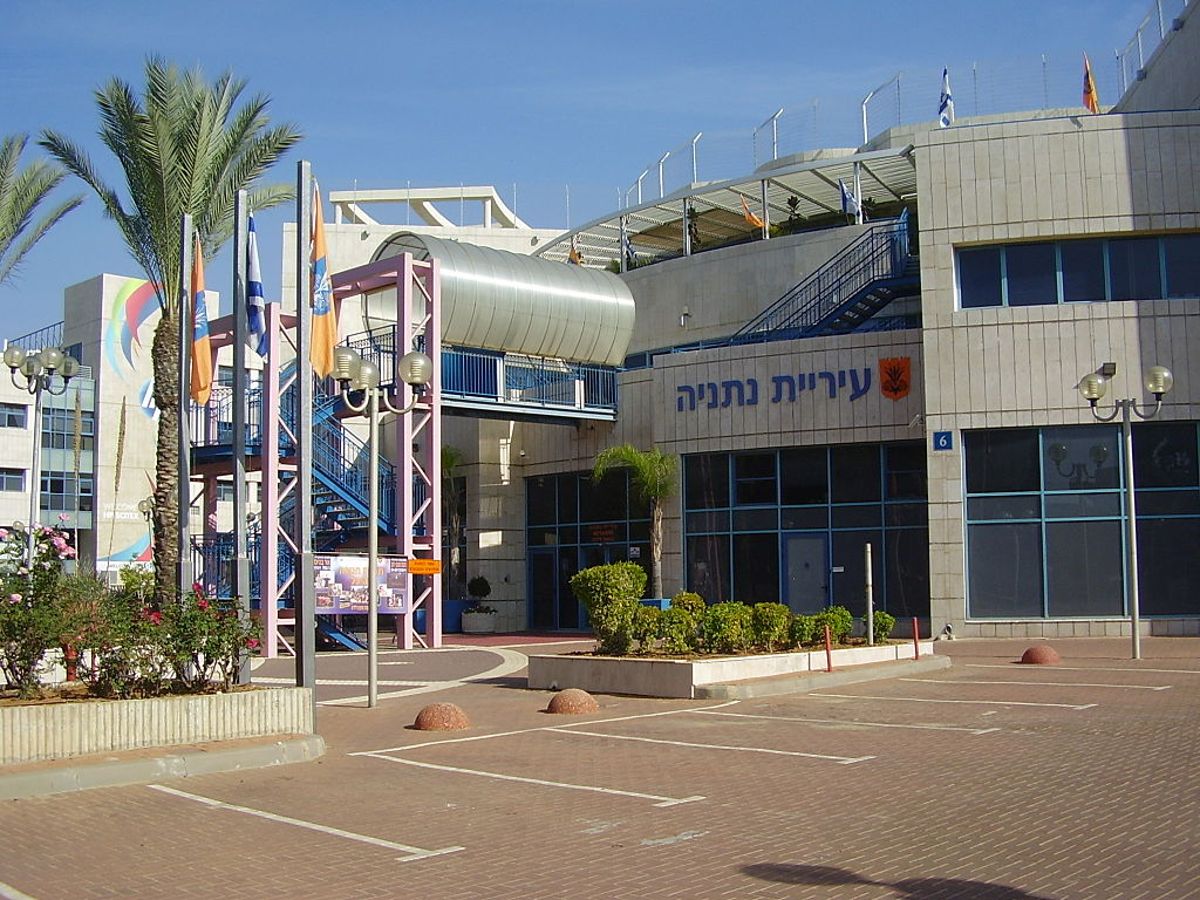
The column, by real estate consultant Yisrael Portnoy, maps three hubs of chareidi life in the coastal city: Kiryat Sanz, a Lithuanian-chareidi community in the city center, and the upscale Ramat Ephraim neighborhood. Portnoy notes that most people associate Netanya with its beaches, promenade, hotels, the Ir Yamim neighborhood and its new towers, and Laniado Hospital. He adds that in recent months, chareidi buyers were reported to have filed a lawsuit after a property deal there went wrong. Behind the largely secular, tourist-oriented city, he writes, a diverse chareidi public has lived for years, with different communities, neighborhoods and lifestyles.
Kiryat Sanz, in northwest Netanya, was founded in 1955 by the Sanz Rebbe and remains the center of the Sanz Hasidic movement in Israel and worldwide. The neighborhood houses the community's institutions, Laniado Hospital, schools and synagogues, effectively a whole world within the city.
In recent years, however, families looking for an apartment inside the enclave have found little available. As a result, Sanz Hasidic families have begun buying in the surrounding streets. Sources familiar with the area told him that dozens of apartments on nearby streets have been purchased by Sanz families, meaning the community is gradually expanding beyond its original boundaries.
Netanya's Lithuanian, or non-Hasidic, chareidi community is centered elsewhere, around Avraham Shapira, Yehuda Halevi and Levontin streets and the surrounding blocks in the city center. Someone close to the community estimated it at about 100 families, gathered around the Minyan Avreichim synagogue. While it may not be a formal "community" in the organized sense, Portnoy writes, it has everything a chareidi population needs, including kindergartens, Talmud Torah schools, a Beit Yaakov girls' school and several kollels across the city. On a midday visit last week, Portnoy says, the street he walked felt like a fully chareidi neighborhood.
Netanya also has a large community of Sephardi kollel students. They are less concentrated on any one street but have their own institutions and kollels.
In the downtown Lithuanian area, a four-room apartment costs more than NIS 2 million, with a gap of about NIS 400,000 between new and older units, according to the column. Monthly rent for a four-room apartment ranges from NIS 4,500 to NIS 6,500. Portnoy suggests the gap apparently stems from luxury construction in the area aimed at buyers from abroad. Kollel students he spoke with said some families who lived in the area later moved to Ramat Ephraim, though they were a minority.
Ramat Ephraim, a few minutes' walk from the Avraham Shapira area, is a different Netanya, with private homes, villas, quieter streets and prices to match. Recently, Portnoy writes, chareidi families have begun moving there, including families of kollel students.
He describes this as a notable shift in housing patterns. Ramat Ephraim is not a classic chareidi neighborhood built for the community from the outset. Instead it suits families willing to pay relatively high prices, around NIS 3.5 million, for a villa and a higher quality of life while staying close to chareidi educational institutions.
Portnoy, who advises families and investors and owns a property management company in Haifa and the Krayot area, said his next column will head south toward Netanya's coastline, where he promised "a completely different story."