The Breakthrough

Netanyahu Promises Haredi Parties: Draft Arrest Freeze Will Pass Next Week as Deri's Split-Bill Strategy Gains Momentum

Former Minister Atias and MK Azoulai meet Cabinet Secretary to finalize framework • Deri's plan to split draft law and pass one-year freeze on arrests advances | Netanyahu guarantees coalition majority (Haredim)

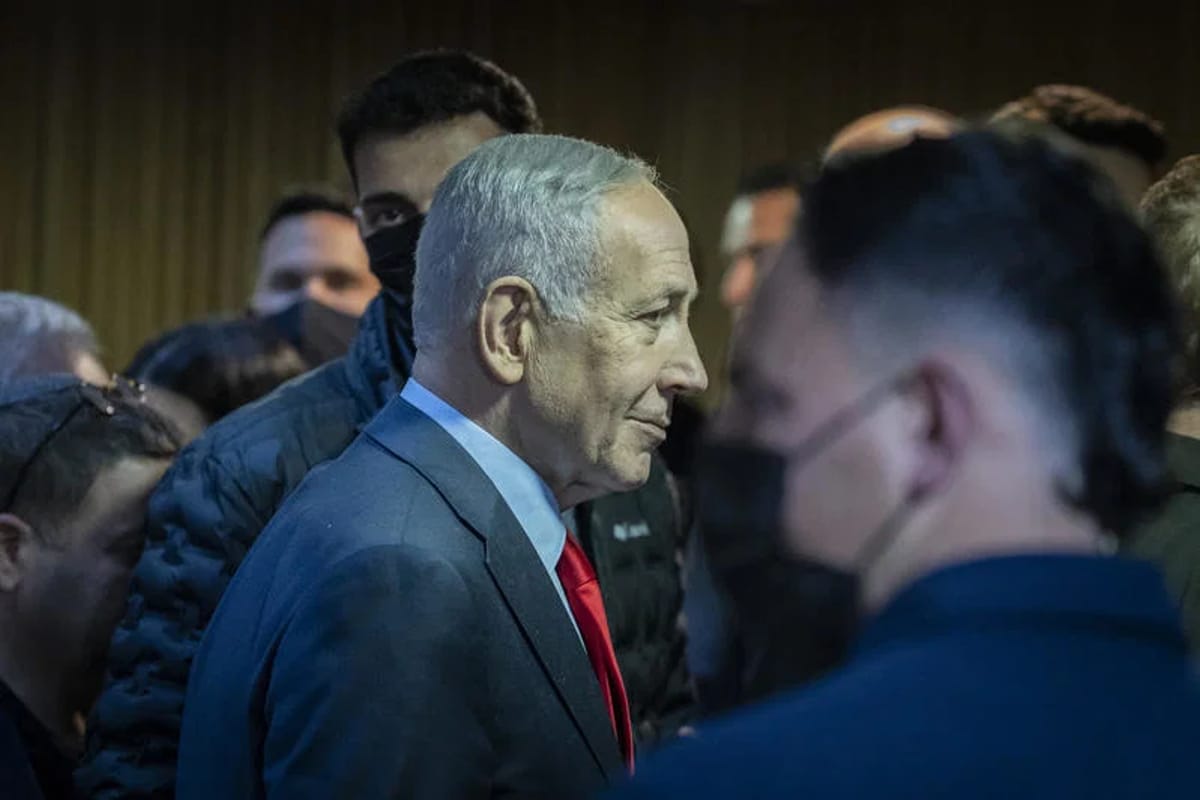
Netanyahu
Netanyahu (Photo: Chaim Goldberg / Flash90)

Prime Minister Benjamin Netanyahu has personally guaranteed that emergency legislation halting the arrest of yeshiva students will secure a coalition majority and advance through the Knesset next week, following intensive negotiations between senior Shas officials and the Cabinet Secretary.

Former Minister Ariel Atias and MK Yonon Azoulai held critical discussions with Cabinet Secretary Yossi Fuchs within the past 24 hours to finalize the legislative framework that would freeze criminal proceedings against Torah scholars, according to sources familiar with the deliberations who confirmed the details to Kikar HaShabbat.

The breakthrough meeting produced agreement that Foreign Affairs and Defense Committee Chairman MK Boaz Bismuth will convene the committee next week specifically to advance the legislation — a dramatic acceleration of Shas chairman Aryeh Deri's controversial strategy to split the stalled draft law and pass temporary provisions as emergency measures.
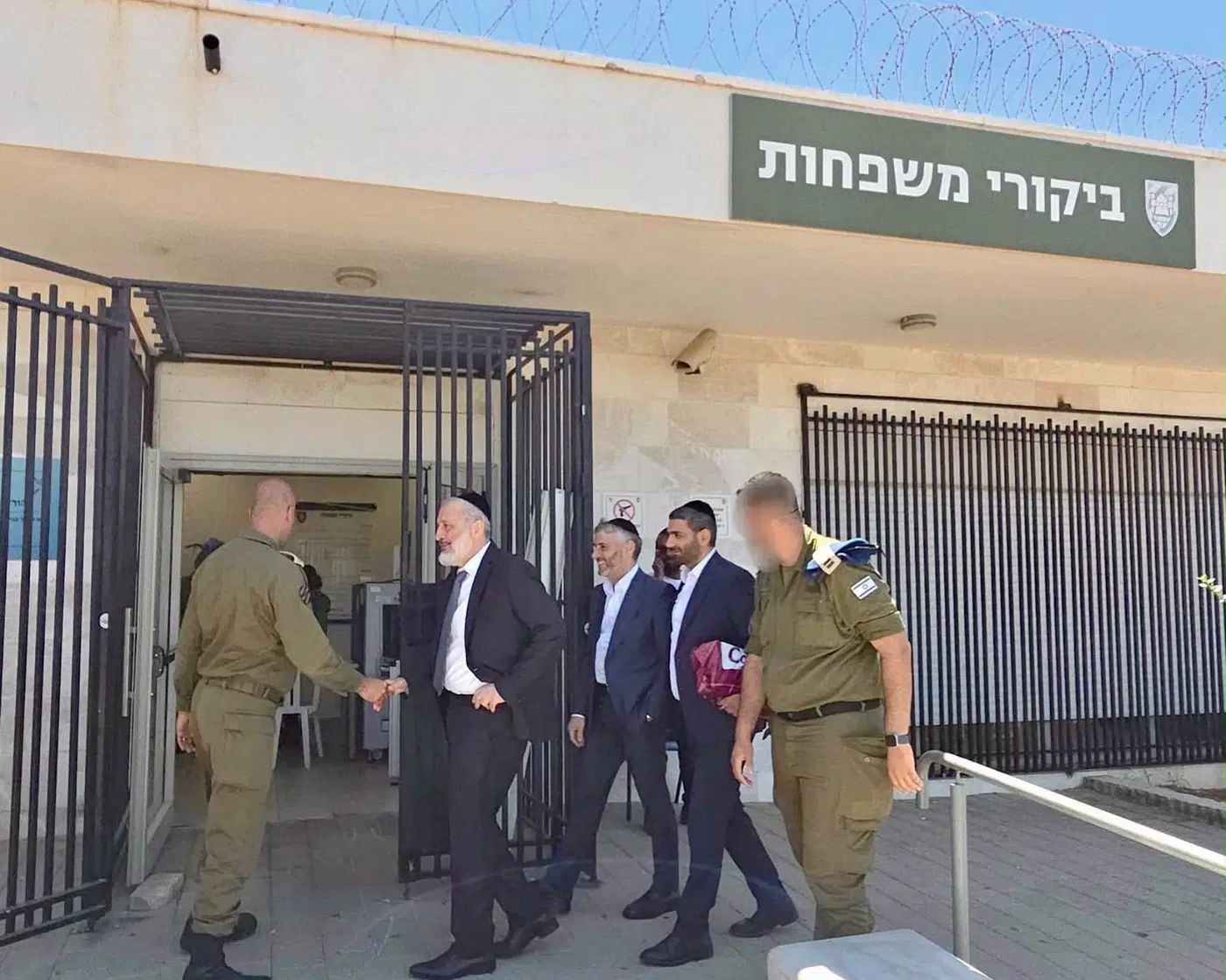
Deri visits draft dodgers in military jail

Deri's Split-Bill Strategy Takes Center Stage

The legislative maneuver centers on Deri's plan to surgically extract specific "transitional provisions" from the comprehensive draft bill currently stalled in committee and advance them separately as a one-year emergency measure. The approach would maintain existing economic sanctions against yeshivos but crucially suspend all criminal enforcement, effectively ending the wave of arrests that has convulsed the haredi community in recent weeks.

Senior coalition officials confirmed that Netanyahu pledged the measure would command majority support when brought to a vote, though skepticism remains high given the prime minister's track record. Netanyahu previously guaranteed passage of daycare subsidy legislation for kollel families, only to freeze the bill indefinitely, a betrayal that triggered threats from United Torah Judaism to collapse the government.

The proposed one-year freeze would address what Shas characterizes as an untenable legal vacuum: yeshiva students have been reclassified as "criminals" due to the absence of any statutory framework governing their status, while the political reality makes passage of comprehensive draft legislation impossible before elections produce a new government with a mandate to resolve the issue permanently.

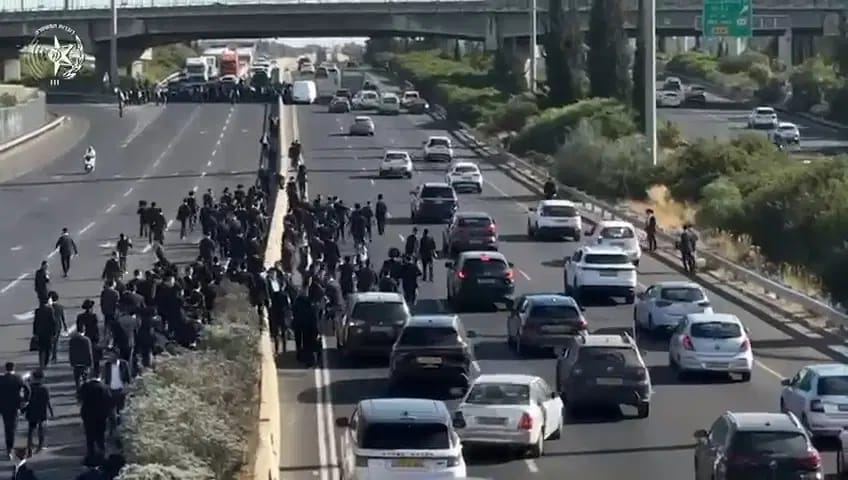
Haredi anti-draft protest
Haredi anti-draft protest (Photo: Israel Police)

Splitting the Bill to Bypass Legislative Gridlock

The technical mechanism involves formally splitting the existing draft bill to isolate the transitional provisions, allowing them to advance immediately to second and third readings without initiating an entirely new legislative process. The strategy aims to exploit procedural rules that would permit rapid passage if the measure is framed as an urgent modification of legislation already under committee review.

The move comes as haredi parties have escalated pressure on Netanyahu following a series of high-profile arrests. The Chatam Sofer Rebbe personally visited his grandson in military detention, while Sephardi Chief Rabbi Yitzhak Yosef accused enforcement authorities of ethnic profiling by targeting Sephardic students while avoiding Ashkenazi yeshiva bochurim.

The legislative push also follows direct intervention by senior rabbinic figures, particularly the Belz Rebbe and Rabbi Meir Tzvi Hirsch of Slabodka Yeshiva, who demanded immediate action to halt what the haredi leadership views as a coordinated assault on Torah study. Netanyahu's commitment to advance the measure represents a significant reversal in enforcement policy and signals the coalition's willingness to prioritize ultra-Orthodox demands despite potential backlash from secular and religious-Zionist constituencies.

Haredi parties have made clear they view passing the arrest freeze as a red line — failure to deliver could trigger the coalition crisis that has been building for months.

Ready for more?

Join our newsletter to receive updates on new articles and exclusive content.

We respect your privacy and will never share your information.