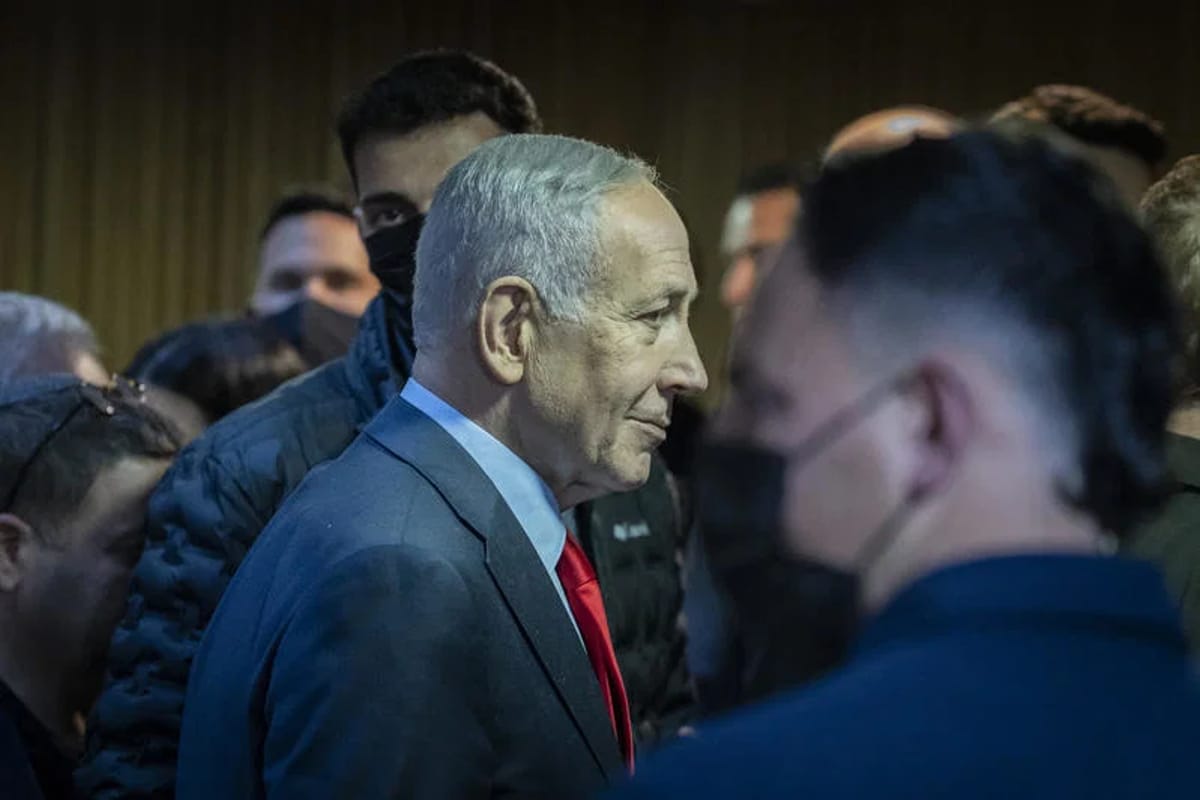
Netanyahu Moves to Halt All Haredi Draft Arrests After Belz and Hirsch Pressure Campaign
PM advances emergency legislation to freeze yeshiva student detentions • Coalition aims to pass bill before Knesset dissolves | The dramatic reversal (Haredim)

Prime Minister Benjamin Netanyahu is advancing emergency legislation designed to bring a complete halt to the arrest of haredi yeshiva students who refuse military conscription, according to a report published Monday by i24NEWS.
The dramatic initiative follows intense pressure from senior ultra-Orthodox rabbinic leadership, particularly direct demands from the court of the Belz Rebbe and from Rabbi Meir Tzvi Hirsch, head of the Slabodka Yeshiva. Sources familiar with the matter confirmed Netanyahu held urgent consultations on the sidelines of the ongoing political crisis and instructed Cabinet Secretary Yossi Fuchs to immediately coordinate the legislative push with relevant government ministries.
The proposed measure would advance as a temporary emergency provision, with coalition leaders aiming to complete all legislative stages before the Knesset dissolves for elections next month. The move represents a sharp reversal in enforcement policy and signals the government's willingness to prioritize coalition stability over judicial and military demands for equal conscription.
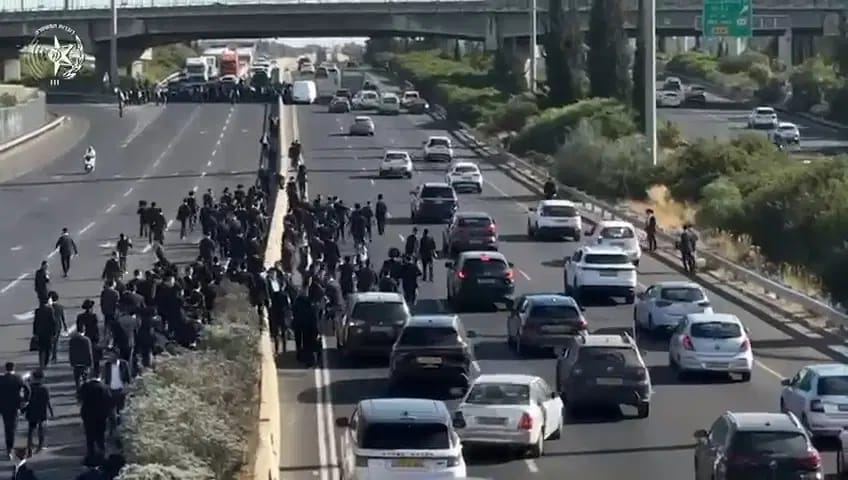
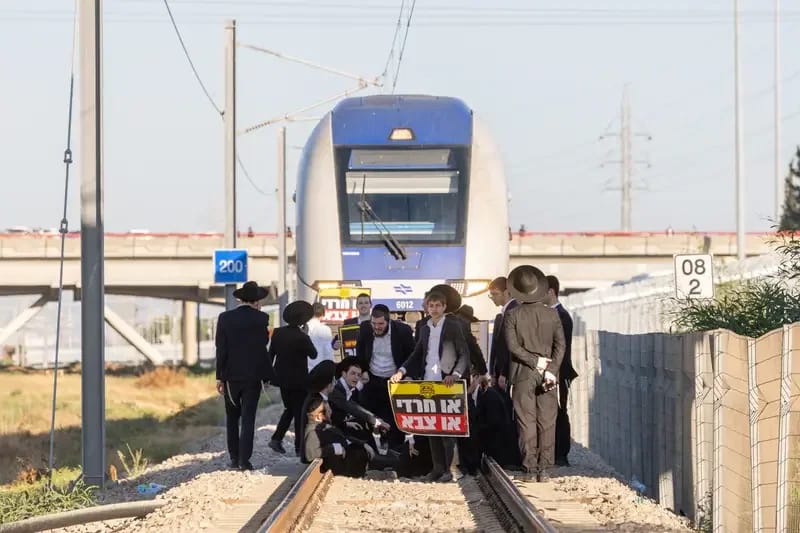
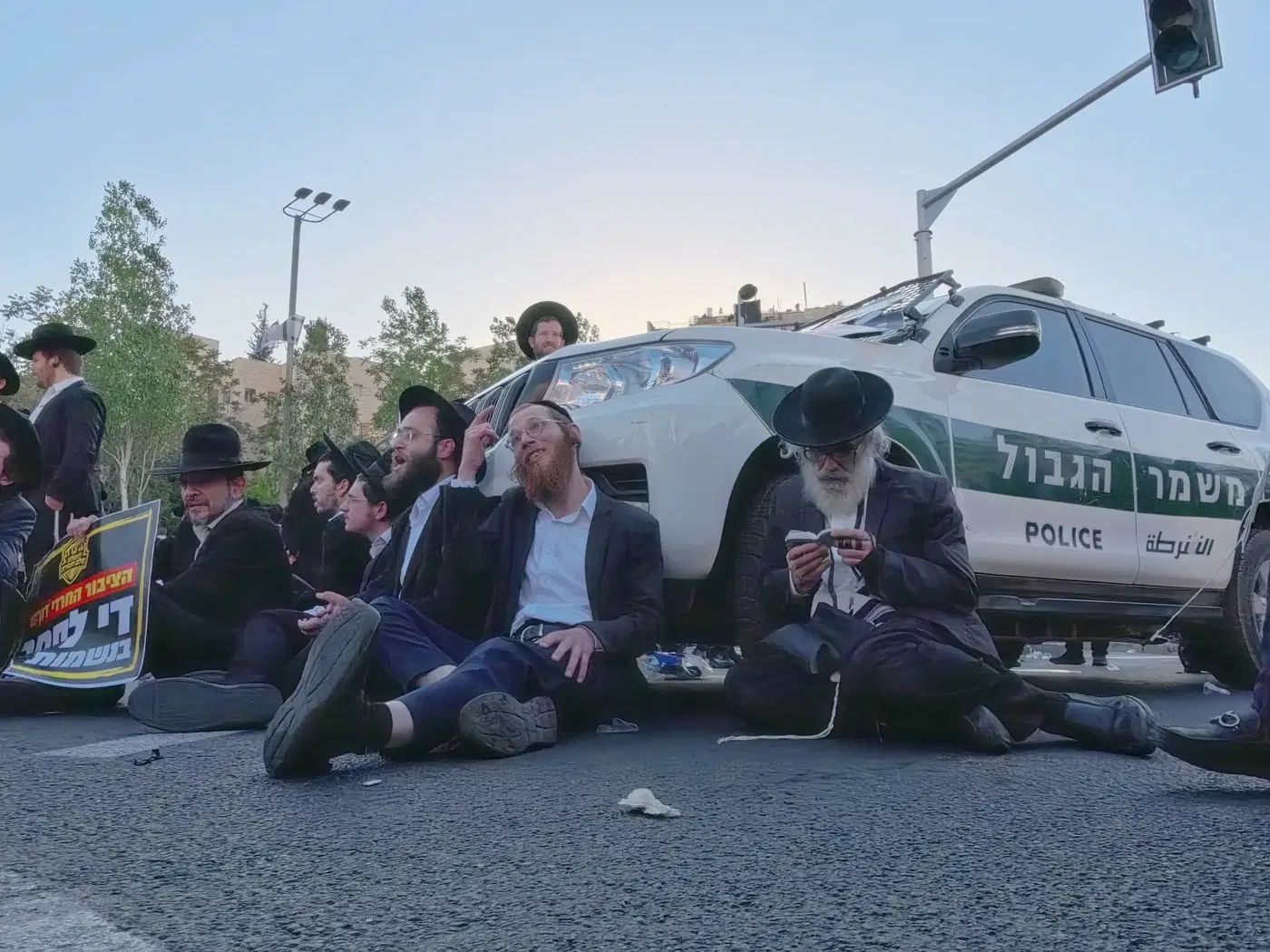
The initiative comes against the backdrop of escalating confrontation between the state and the ultra-Orthodox community over draft enforcement. Last Thursday, hundreds of protesters affiliated with the Jerusalem Faction's hardline wing shut down major highways across central Israel for nearly four hours, triggering massive traffic chaos and violent clashes with frustrated motorists.
Demonstrators blocked Route 6 at the Harel Tunnel in both directions, Route 1 near Ganot Junction westbound, and Route 4 between HaShiva and Masuot interchanges. Rail traffic in the central region ground to a halt after protesters invaded the tracks. In the south, protesters shut down the Netivot Junction, creating gridlock on Routes 25 and 34 stretching from Gadi Junction to the entrance of Yoshivya.
The prolonged blockades sparked physical confrontations between trapped drivers and demonstrators. In one documented incident, a female driver emerged from her vehicle wielding a sharp object in an attempt to break through the human barrier, only to be assaulted by protesters. Two serious hit-and-run incidents occurred during the chaos: a 93-year-old man sustained critical injuries after being struck by a vehicle attempting to force through the blockade near Geha Junction, while a 21-year-old suffered moderate injuries from a vehicle strike at Ganot Junction.

Police deployed stun grenades to disperse the massive crowds and only succeeded in reopening the arteries after approximately four hours of sustained disruption. The scale and intensity of the demonstrations underscored the explosive nature of the draft enforcement issue within the haredi community and amplified pressure on Netanyahu to intervene.
The legislative proposal now under consideration faces complex legal hurdles, as the conscription issue remains under active review by the Attorney General's office and multiple judicial authorities. Government legal advisers are currently examining the constitutional and practical implications of suspending enforcement through emergency legislation.
According to sources cited in the i24NEWS report, the coalition's clear objective is to ram the measure through all required Knesset readings at maximum speed, completing the process before the legislature dissolves for the upcoming election campaign. The tight timeline reflects both the political urgency driving the initiative and the coalition's assessment that the current crisis threatens its stability.

If the emergency legislation advances as planned, it would mark one of the most significant policy reversals on the conscription issue since the Supreme Court struck down blanket exemptions for yeshiva students.