
Sukkot of Hope

The 21-Point Plot Twist: Will the Holiness of Sukkot Finally 'Bring Them Home'?

Netanyahu ties Sukkot festival to potential breakthrough in hostage negotiations, as families build symbolic 'Hostage Sukkot' while diplomatic efforts intensify under 21-point peace plan.

A Sukkot of hope
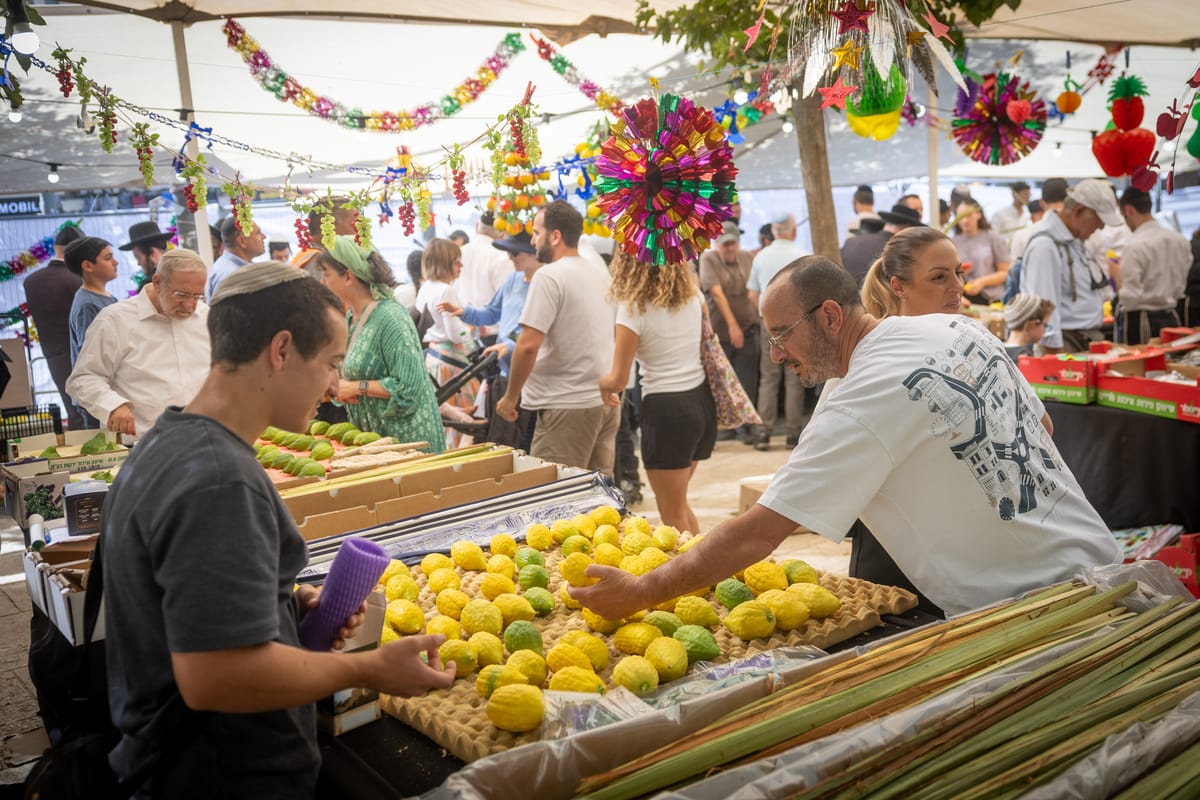
A Sukkot of hope (Photo: Chaim Goldberg/Flash90)

As Jewish families worldwide prepare to sit beneath the fragile, symbolic roof of the Sukkah, the ancient festival of Sukkot this year takes on an acutely modern, painful resonance. The "Feast of Tabernacles," a holiday traditionally commemorating a journey of liberation, now coincides with a desperate, high-stakes diplomatic effort to secure the freedom of the remaining hostages held in Gaza.

Prime Minister Benjamin Netanyahu himself has explicitly tied the timing of the holiday to the nation's most critical objective, expressing a public hope that a deal brokered under the auspices of the Trump administration's 21-point plan could be finalized during the seven-day festival.

“I hope, with G-d’s help, that in the coming days, during the Sukkot holiday, I will be able to inform you about the return of all our hostages, both living and deceased, in one phase,” Netanyahu said in a televised address, placing an unprecedented deadline of spiritual significance on the ongoing, tense negotiations.

The Symbolism of the Sukkah

Sukkot, which began at sundown on Monday and lasts for a week, requires Jews to leave the permanent structure of their homes to dwell in temporary huts (sukkot). This ritual is meant to recall the flimsy dwellings the Jews inhabited after their liberation from slavery in Egypt. It is a powerful lesson in vulnerability and reliance on a higher power.

This year, however, the symbol of the temporary shelter has been tragically co-opted. In communities ravaged by the October 7 attack, the terrorist massacre that happened on the eve of the last day of Sukkot in 2023, families and activists are building what they call "Hostage Sukkot." These structures, often adorned with yellow ribbons and the posters of the 101 captives still in Gaza, serve as a stark reminder of the missing.

In one kibbutz, residents built a Sukkah on the charred ruins of homes, a painful testament to the absence of their loved ones. Across the globe, Jewish organizations are promoting a “Save a Seat at the Sukkah” campaign, reserving an empty chair at the holiday table for the unwilling, missing guests. The hope for the return of the captives is now woven into the core religious observance of the holiday.

The Trump Plan and the Hostage Clause

The current negotiations center around a comprehensive, multi-phase proposal, dubbed the "21-point plan", developed by the White House to end the conflict. A key component of this plan is the immediate and complete release of all remaining hostages in the first phase.

While Hamas has indicated a willingness to engage with elements of the plan, including the release of hostages in exchange for an Israeli prisoner swap and certain security guarantees, profound sticking points remain on issues like a permanent ceasefire and Israel's long-term military presence in Gaza.

The Prime Minister’s announcement, putting the Sukkot holiday on the clock for a diplomatic breakthrough, is seen as a strategic move to leverage public pressure both at home and on the negotiating table. Should the deal collapse, Netanyahu has warned he is prepared to achieve the same result "militarily."

As the fragile, thatched roofs of the sukkot are built worldwide, they represent not just an historical memory, but a contemporary plea: a physical, temporary home that begs for the permanent return of the missing. The question remains whether the political and military complexities of the Middle East will yield to this spiritual urgency, allowing Israel to announce a true liberation before the final joyful prayers of the holiday are said.

Ready for more?

Join our newsletter to receive updates on new articles and exclusive content.

We respect your privacy and will never share your information.

Enjoyed this article?

Yes (107)
No (4)
Follow Us:

Loading comments...