


Get our mobile app
Download on the App StoreGet it on Google Play

Chabad shliach: "Hashem waited for us with the snow"

Siberia snow waited until after Sukkos

The Jewish community in Siberia usually braces for rain, cold and even snow during the festival, but this year the weather held until after Simchas Torah, and they were able to sit in the sukkah without battling the elements

Siberia's Jews Got a Break: the Snow Waited Until After Sukkos
Sukkos in Siberia
Sukkos in Siberia

While Israel enjoyed relatively mild weather during Sukkos, the Jewish community in Siberia prepares each year for the possibility of rain, freezing temperatures and even snow during the festival. But this year the snow waited until after the second day of Simchas Torah, and the local Jewish community was able to celebrate Sukkos in relatively pleasant conditions.

Rabbi Yechiel Gurlik, the Chabad shliach in Siberia, told Kikar Hashabbat: "Thank G-d, He waited for us with the snow until Isru Chag so that we could celebrate Sukkos warm and pleasant, baruch Hashem."

According to Rabbi Gurlik, although they do not sleep in the sukkah, the mitzvah of sitting in the sukkah is fulfilled even in harsh weather conditions. "We don't sleep in the sukkah, but even a cup of water only in the sukkah, even in rain and snow. It's not easy to sit for a Yom Tov meal in rain or cold. Baruch Hashem it was warm and pleasant."

In Siberia, where winter temperatures can drop well below zero, the sukkah is built in a way that helps cope with the cold. "Because it's often very cold here, it can even be minus, so we build the sukkah fairly sealed. We make it like a greenhouse, and that helps a lot so cold doesn't come in through the walls," Rabbi Gurlik explains.
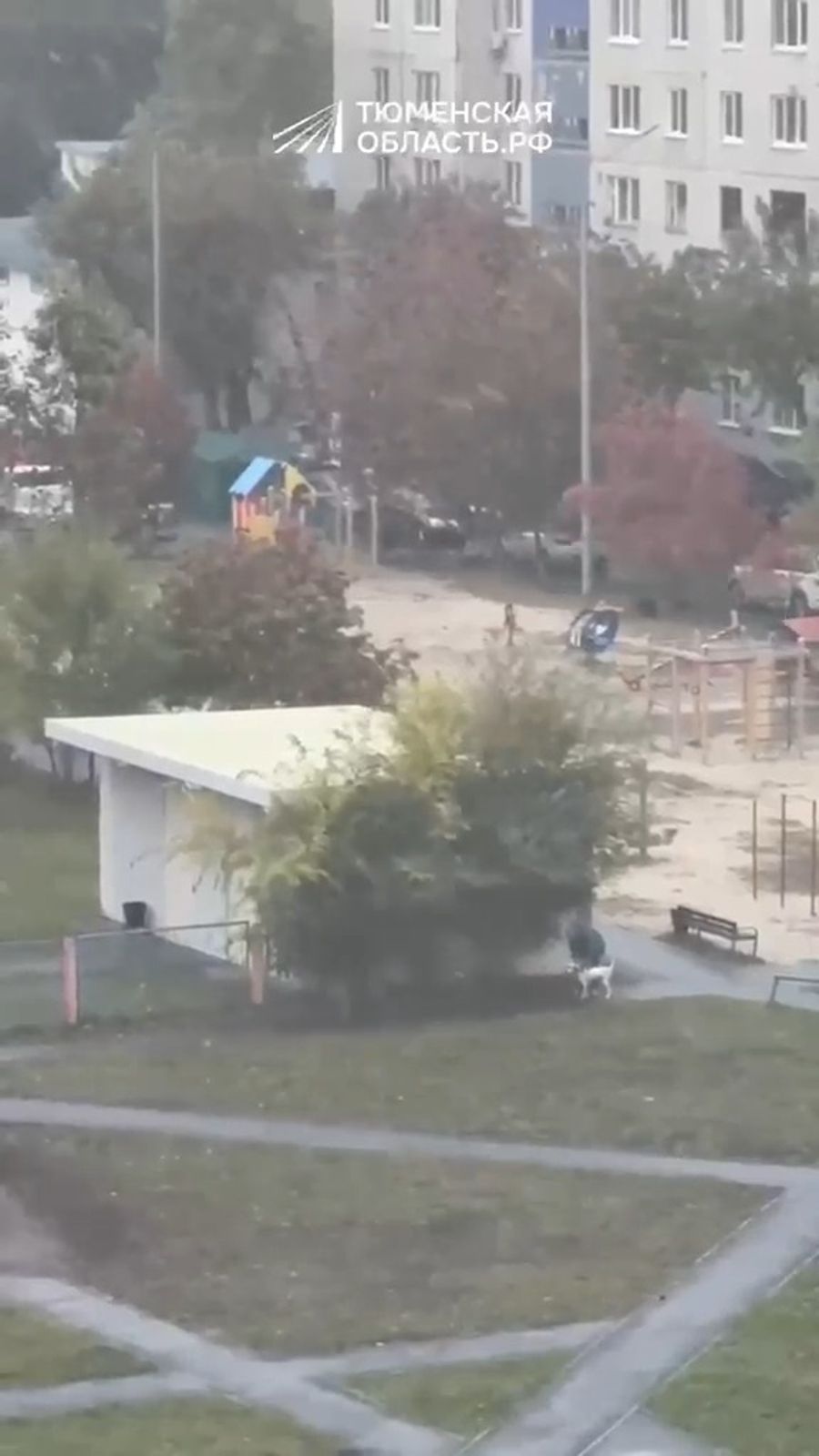

Snow in Siberia
Snow in Siberia

In the extreme cold, the community also uses electric or gas heaters to allow extended sitting in the sukkah. This year, he says, the sun during the day made it possible to sit in the sukkah in relative comfort.

The community's sukkah is the only sukkah in the city, and it serves the local Jews throughout the festival. "Jews from all over the city all the time, all day and all night, come to sit a bit in the sukkah, to drink something and also to take the four species. It was Sukkos as it should be," Rabbi Gurlik said.

The timing of the festival also affects the weather conditions. According to him, this year, when the festival fell in September, the weather was relatively comfortable, while next year, when the festival will fall in October, it is expected to be colder.

Ready for more?

Join our newsletter to receive updates on new articles and exclusive content.

We respect your privacy and will never share your information.

Enjoyed this article?

Yes
No
Follow Us:

Unmissable content


Loading comments...

Also of Interest