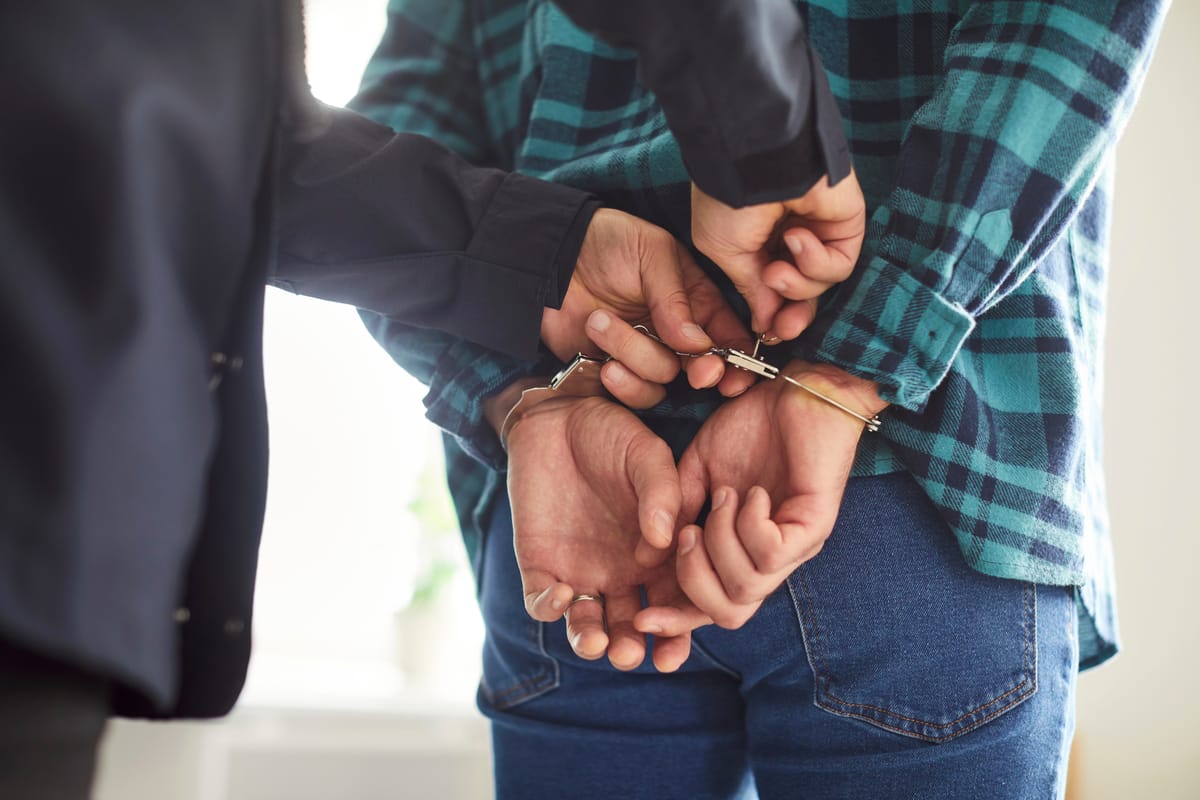
Elihu "Eli" Weinstein, a 51-year-old prominent figure in New Jersey's ultra-Orthodox Jewish community and a twice-convicted fraudster, was sentenced on Friday (November 14, 2025) to 37 years in federal prison, his third fraud conviction in a decade, after running a brazen $41 million Ponzi scheme just months after Donald Trump commuted his original 24-year sentence in January 2021.
Weinstein, who served only eight years of that time (about one-third) before his release on three years' supervised parole, wasted no time diving back into crime: Using the alias "Mike Konig" to hide his identity, he and accomplices defrauded over 150 investors, many from his own tight-knit Lakewood community, by promising sky-high returns on fake deals for COVID-19 masks, scarce baby formula, and first-aid kits supposedly bound for Ukraine.
Instead, the cash fueled personal luxuries like casino gambling, luxury watches, fancy houses, and unrelated real estate flips, while earlier victims got Ponzi payouts to keep the scam alive.
A Rap Sheet That Reads Like a Crime Novel
First Scheme (2010s): Weinstein's original $200 million real estate Ponzi swindled dozens through bogus property investments, landing him a 22-year sentence in 2013. He was already on pretrial release when he pulled a second scam, tricking one investor out of $6.7 million by faking insider access to Facebook's IPO shares, adding another two years.
Trump's "Mercy" (2021): As one of Trump's final acts, Weinstein's sentence was commuted amid a wave of 140 pardons/clemencies for white-collar criminals and Jan. 6 rioters. He owed $228.7 million in restitution but walked free after just eight years, only to betray that grace spectacularly.
The 2022–2023 Repeat: Teaming with co-defendants like Christopher Anderson, Richard Curry, and others (who've since pleaded guilty), Weinstein set up shell companies like Optimus Global and Tryon Global to lure funds. Investors thought they were backing humanitarian aid; instead, money vanished into a vortex of repayments, gambling, and evasion tactics to dodge his old restitution debts.
A jury convicted him on March 31, 2025, of securities fraud, wire fraud, money laundering, conspiracy, and lying to probation officers.
U.S. District Judge Michael Shipp, in Trenton federal court, slammed the door with the 37-year term (potentially up to 50 years max), plus immediate $44.3 million restitution and three years' supervised release.
"This marked the third time Weinstein had been convicted in a New Jersey federal court for defrauding investors," prosecutors noted, calling it a "classic Ponzi" that preyed on community trust.
Community Betrayal and Broader Fallout
Weinstein's schemes hit hard in Lakewood's Haredi enclave, where he exploited religious and familial ties, many victims were synagogue friends or relatives who saw him as a "philanthropist" post-release.
The DOJ highlighted how he hid his identity to dodge scrutiny, even as co-conspirators like Alaa Hattab and Aryeh Bromberg (still facing charges) helped launder funds.
Trump's clemency, meant as "second chances" for non-violent offenders, has become a punchline, with critics like The Guardian dubbing Weinstein "the pardon who kept on scamming."
Weinstein's saga is a grim reminder: Mercy without accountability breeds monsters. With $44M+ owed and decades ahead in a cell, his "philanthropic" facade is shattered for good.