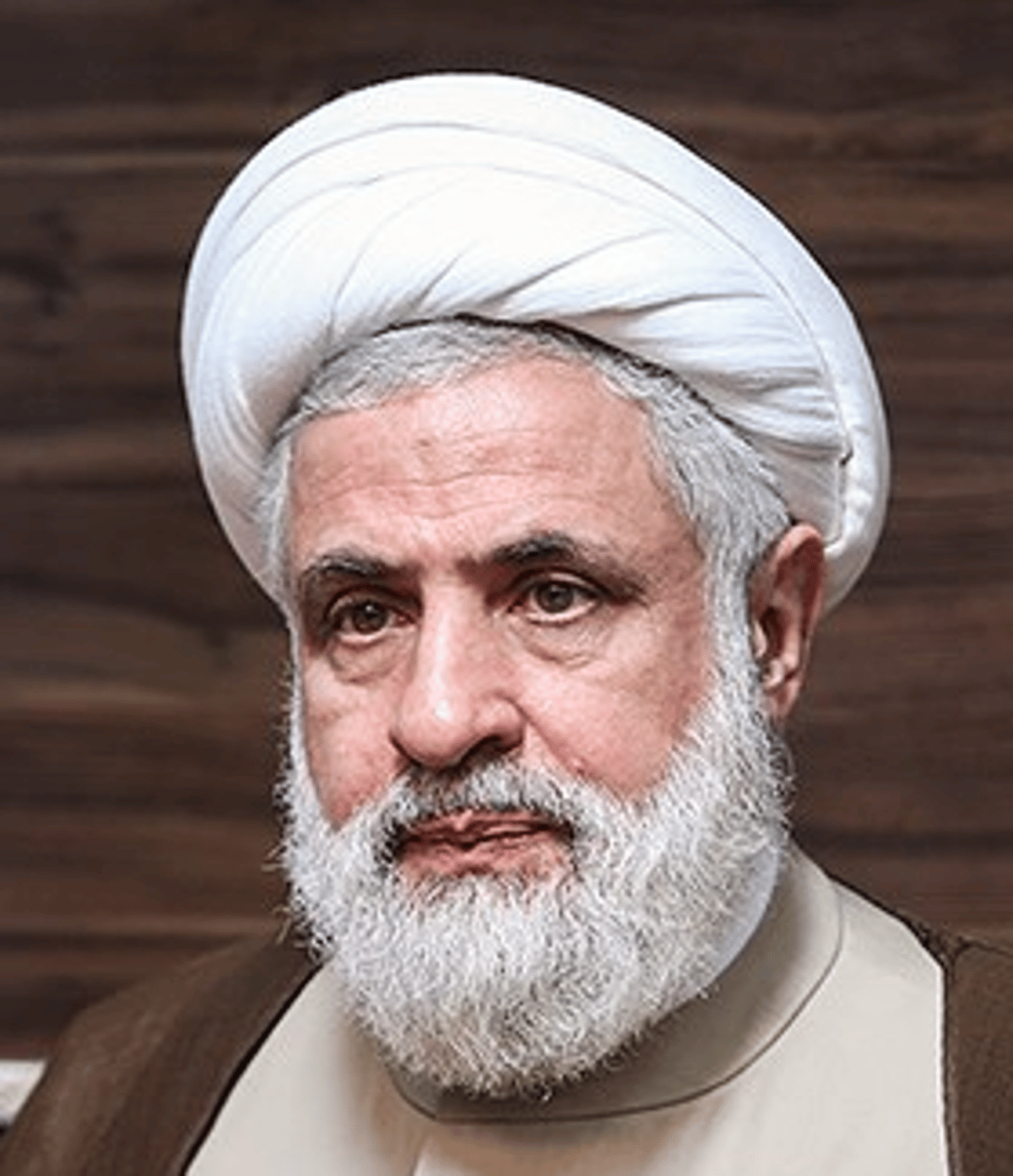
Hezbollah leader Naim Qassem stated Monday that there is no impediment to holding a formal meeting between Hezbollah and Syrian leadership in the future. The public signal marks the first official expression of interest from Hezbollah for such talks, following similar statements from Syrian President Ahmad al-Shara days earlier.
Qassem framed the current regional conflict in sweeping terms, characterizing the military situation as coordinated aggression. "We are facing a U.S.-Israeli aggression against Lebanon, Gaza, Iran, Iraq and Yemen, aimed at extinguishing the flame of the resistance and occupying the region," Qassem said.
Regarding Israeli military presence in Lebanon, Qassem stated flatly: "The only option before the Israeli enemy is a full withdrawal from Lebanon, and it will withdraw."
Interconnected Regional Stability
Qassem emphasized the interconnection between Syrian and Lebanese stability. "A stable Syria constitutes support for Lebanon, just as a stable Lebanon constitutes support for Syria," Qassem said. He further stated that Lebanon's stability "is based on stability south of the Litani River," the demarcation line between Lebanon and Israel.
The Hezbollah chief reiterated the organization's support for deploying Lebanese army forces south of the Litani River. Qassem said Hezbollah "will assist with this to the maximum extent, possible, as we have assisted before," signaling organizational backing for a potential Lebanese military deployment in a zone that has historically been under Hezbollah's de facto control.
Syrian President's Matching Signal
The opening from the Hezbollah leader follows Syrian President Ahmad al-Shara's interview with Al-Jazeera in which he stated that Damascus maintains active contacts with Lebanon's government to ensure its stability. Al-Shara warned that instability in Lebanon would have direct consequences for Syria.
"Any chaos in Lebanon will directly impact Syria," al-Shara cautioned. The Syrian president also stated his support for the Lebanese government and military's monopoly on weapons and decision-making authority on matters of war and peace—a position that would necessitate Hezbollah subordinating its military capabilities to state control, a threshold issue in regional negotiations.
The near-simultaneous statements from both leaders suggest potential alignment on elevated-level dialogue, though significant constraints remain. A Lebanese army deployment south of the Litani River would require Hezbollah to vacate positions it has held since the Lebanese Civil War, a development that would reshape regional military dynamics.
Open Source Intel added:
Lebanese PM Nawaf Salam has hit back at Hezbollah chief Naim Qassem, who accused the government of aiding Israel instead of defending sovereignty.
Salam: the greatest help to Israel came from those who pulled Lebanon into "absurd" aid wars, giving Israel the reasons to strike its cities, kill its children and displace hundreds of thousands.
He added that whoever seizes the state's war decisions and ties Lebanon to external agendas "has no right to hand out certificates of patriotism, and certainly not to speak of sovereignty."