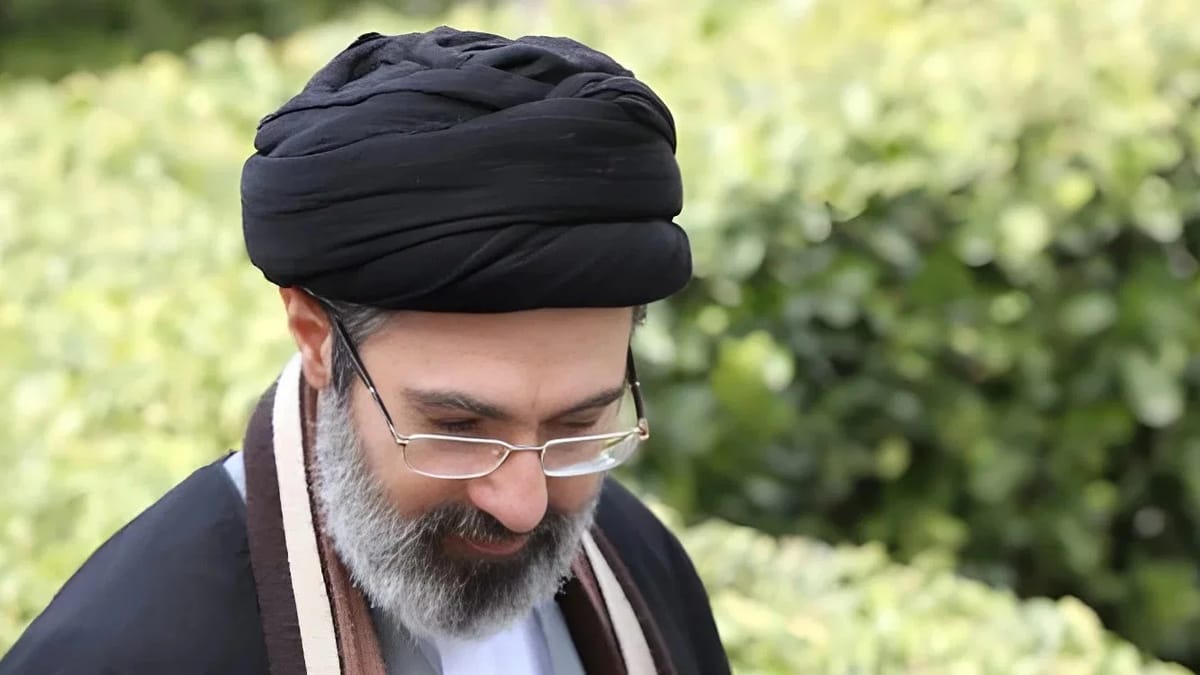
Heavy secrecy surrounds Iran's new Supreme Leader Mojtaba Khamenei following his succession after the elimination of his father, Ali Khamenei, during Israeli operations in Operation Roaring Lion. State media outlets are attempting to provide complex technological explanations for why the regime has refused to release even a basic audio file or voice recording to prove he survived the initial strikes.
According to reports published by the Iranian media organization Hamshahri, the decision to withhold audio recordings stems from intense security fears regarding Western and Israeli intelligence capabilities. Authorities in Tehran claim that sophisticated acoustic analysis of a simple audio file could pinpoint the exact subterranean location of the leader's bunker.
Iranian security assessments listed several technical risk factors, including the ability of intelligence agencies to decode the acoustic fingerprint of an enclosed space. Every subterranean room or bunker possesses unique reverberation metrics that allow sound experts to determine the exact dimensions and architectural layout of a facility.
Furthermore, intelligence analysts can extract frequency fluctuations from the background electrical grid recorded on an audio file. This data can pinpoint the precise time of the recording and identify the specific regional power grid segment supplying electricity to the hideout. Additional markers include microphone signatures, background noise from ventilation or cooling systems, and vocal resonance analysis that could reveal physiological stress, heart rate, and overall health status.
Despite these technical explanations, Western intelligence agencies remain skeptical, questioning whether Mojtaba Khamenei is physically available to record any message. The leader's father-in-law, senior politician Gholam-Ali Haddad-Adel, recently disclosed that his son-in-law is currently not in direct contact with any person, official, or institution. Haddad-Adel insisted that despite the complete isolation, Mojtaba is healthy and unharmed, attributing the situation to specific operational considerations.
The unusual statement follows widespread public speculation driven by Mojtaba's notable absence from the national funeral service held for his father, Ali Khamenei. His failure to appear at the primary national mourning event raised questions throughout the region regarding the true state of Iran's political leadership.
Conflicting reports published by the Saudi news outlet Al-Hadath suggest severe internal division and governance chaos within Tehran. Citing an Israeli security official, the outlet reported that Mojtaba Khamenei is not currently on Iranian soil and that public statements issued under his name are authored by former Interior Minister Ahmad Vahidi and senior commanders of the Islamic Revolutionary Guard Corps, who are directing state affairs behind the scenes.
Mojtaba Khamenei was named Supreme Leader under emergency conditions following his father's death, after the Assembly of Experts convened through a secret online session following the bombing of their headquarters in Qom. According to intelligence assessments provided to Reuters, Western security services continue to monitor regional communication signals to determine whether the regime's public claims conceal a broader leadership crisis.