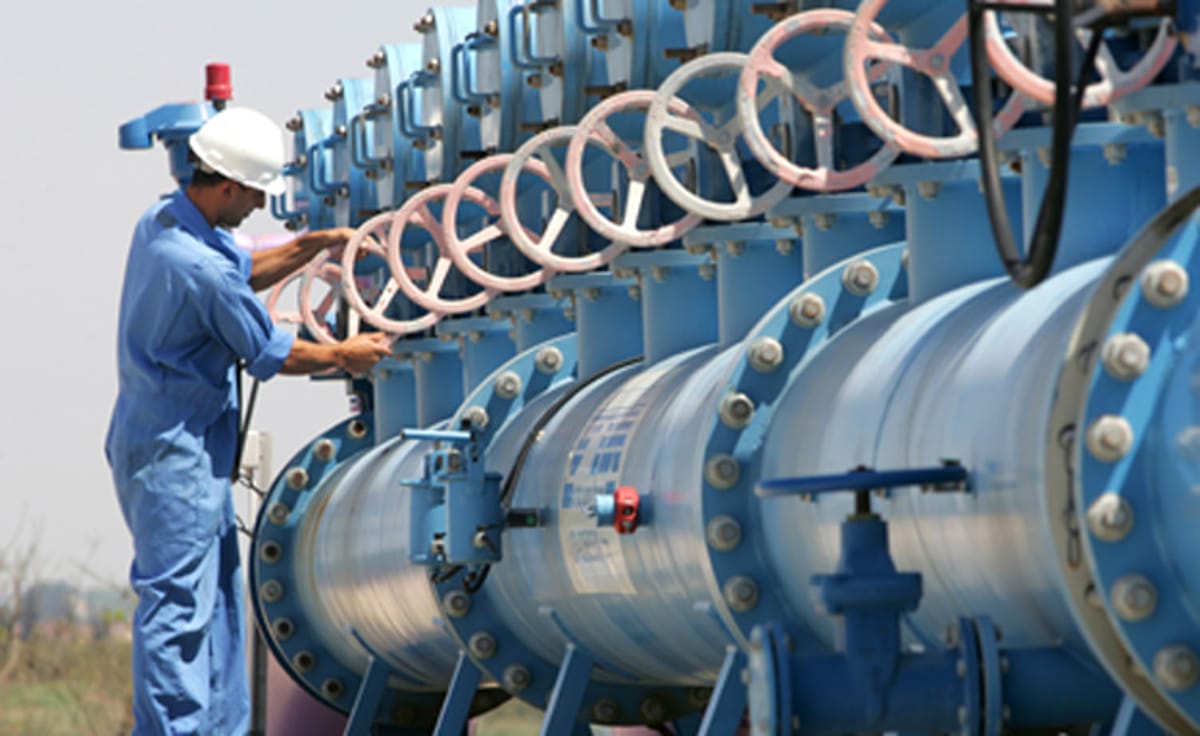
A cyber attack attributed to Iranian state actors disabled a power station in the United Kingdom, marking a major escalation in foreign digital operations against Western critical infrastructure. According to reports in the Telegraph, hackers linked to the regime in Tehran successfully shut down a small UK power plant for four days. While the intrusion did not cause widespread blackouts, it represents the first time a UK power facility was taken offline by a cyber attack.
Gil Messing, Chief of Staff at Israeli cybersecurity firm Check Point, noted that the incident reflects a calculated operational pattern by Iranian cyber units. The strategy focuses on identifying weaker links within critical supply chains, such as regional generators, outdated facilities, and secondary contractors that lack high level government security protections. "There is a supply chain for every major infrastructure, consisting of large, secure bodies, but also smaller, less funded, and less protected entities," Messing explained. "They manage to enter through these smaller entry points."
Messing emphasized that the primary objective for Iranian cyber units in such attacks is creating widespread disruption and psychological impact rather than total physical destruction. "An event that succeeded in terms of penetration, but did not cause a single house in Britain to lose power, still generates massive resonance," Messing pointed out. The breach contradicts previous assessments by the British Intelligence and Security Committee, which had previously declared a successful Iranian cyber attack against national infrastructure unlikely.
Iran's cyber operations historically targeted Gulf state neighbors and Middle Eastern entities, including Israel. However, intelligence analysts observe an expansion toward Western nations, illustrated by a recent cyber attack targeting water utilities across 12 American states. Messing identified three primary vulnerabilities enabling these intrusions: a lack of specialized defensive software in small facilities, insufficient technical staff to execute security updates, and neglect of basic security hygiene, such as multi-factor authentication and isolating management networks from operational control systems.
Israel remains vulnerable to similar supply chain cyber intrusions targeting smaller municipal entities. Messing cited previous incidents, including an attack on a water system in the Sharon region and a temporary breach of display boards across Israel Railways stations. "The hackers claimed, and from their perspective correctly, that they attacked the railway," Messing noted. "It is not that a train was derailed, but a certain infrastructure, in this case the display systems, was indeed compromised."
In addition to transport and water utilities, frequent disruption attempts have targeted credit card processing services across Israel since October 7, causing transaction outages for hours at a time. While not officially attributed to state actors, these incidents demonstrate how targeted technical failures can disrupt daily economic routines. Messing warned that decentralized management across local authorities leaves critical systems exposed unless defensive maintenance remains constant across all tiers of infrastructure.