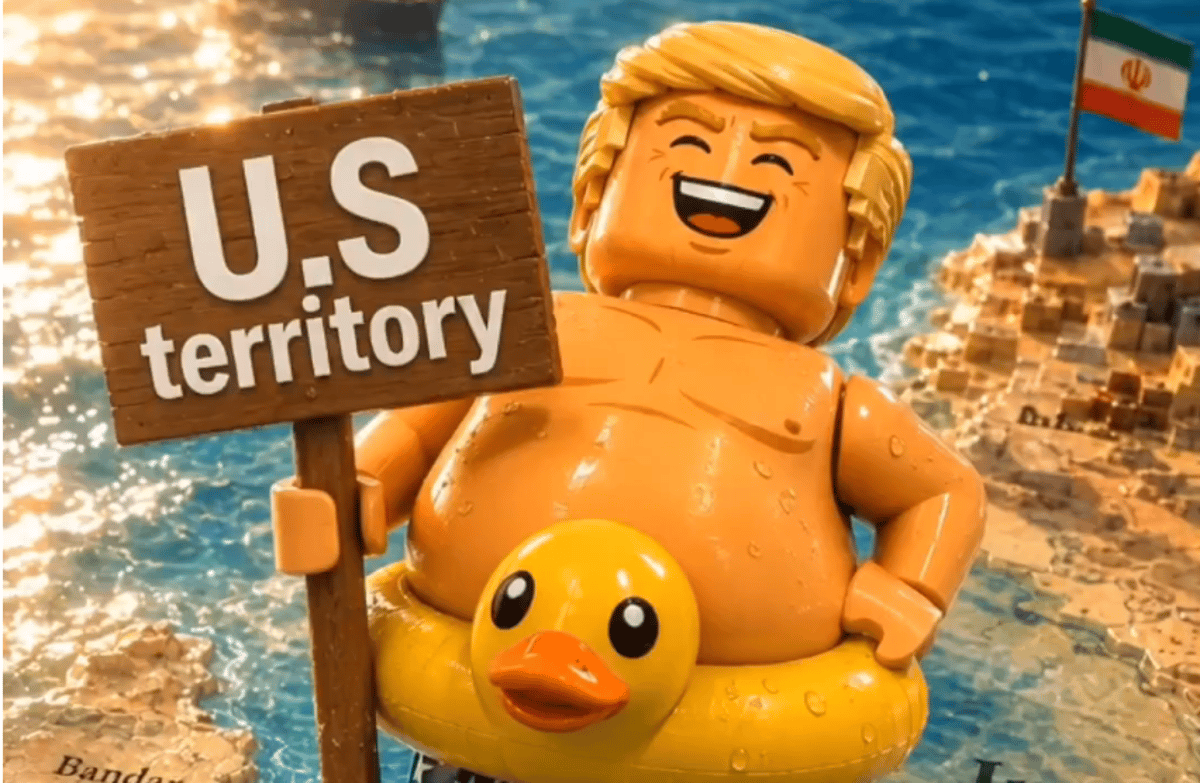
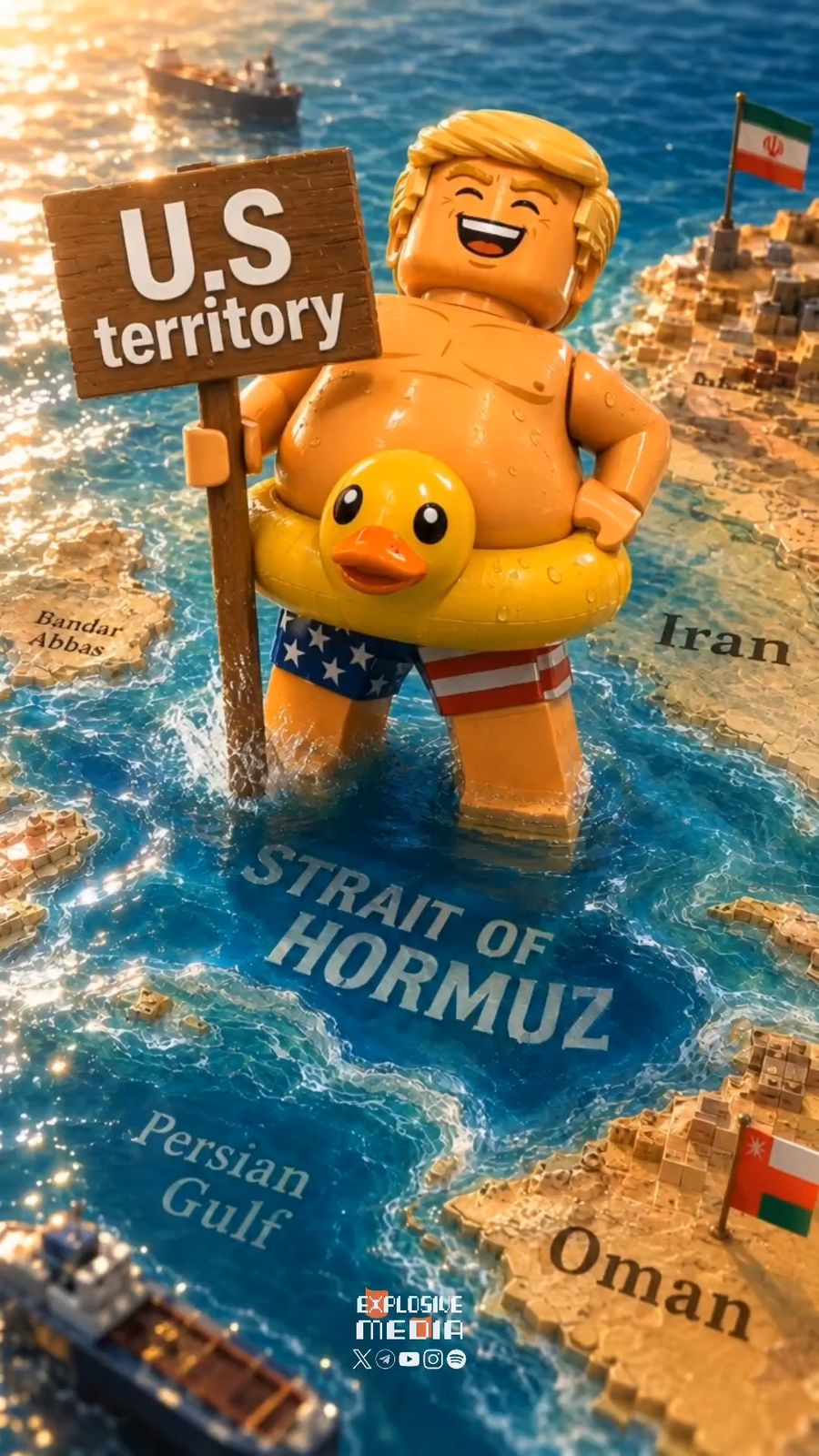
The timing of Iran's response was deliberate. On August 23, Trump posted a map depicting the Strait of Hormuz as "new U.S. territory," his second such post following a similar map on August 18. Earlier, he had stated that after the United States "defeats" Iran, he intends to convert the strait into American territory.
Tehran rejected the American claim outright, insisting the waterway will remain closed until Washington changes its policies and meets Iranian demands.
Behind the mockery lies a serious geopolitical standoff. The Strait of Hormuz serves as a critical chokepoint in the global energy system. Before the current conflict, a substantial portion of the world's oil and gas exports passed through it, meaning any disruption to shipping there could affect energy prices, maritime commerce, and the broader global economy.
Trump maintains that the United States controls the strait and that vessels cannot pass without American authorization. Iran presents the opposite picture, asserting the waterway is closed and will only reopen when U.S. policy shifts.
The dispute intensified when Trump published his map marked "NEW U.S. Territory." International media outlets, including AFP, reported on the move, characterizing it as a rhetorical escalation in the battle over control of the waterway.