Eli Feldstein, who previously served as an adviser to Prime Minister Benjamin Netanyahu, made an unusual public statement Sunday claiming that Netanyahu received warnings about National Security Minister Itamar Ben-Gvir shortly after the October 7 massacre.
Writing on X (formerly Twitter), Feldstein was responding to political commentator Amit Segal, who had been discussing polling data and security statistics while examining how Ben-Gvir is perceived by security and political figures in Netanyahu's orbit.
"Shortly after October 7, I was in the Prime Minister's office when they warned him about Itamar Ben-Gvir, about the dangers and risks this man brings with him," Feldstein wrote. He added in parentheses: "It worked partially --- he didn't enter the restricted cabinet for a very long time."
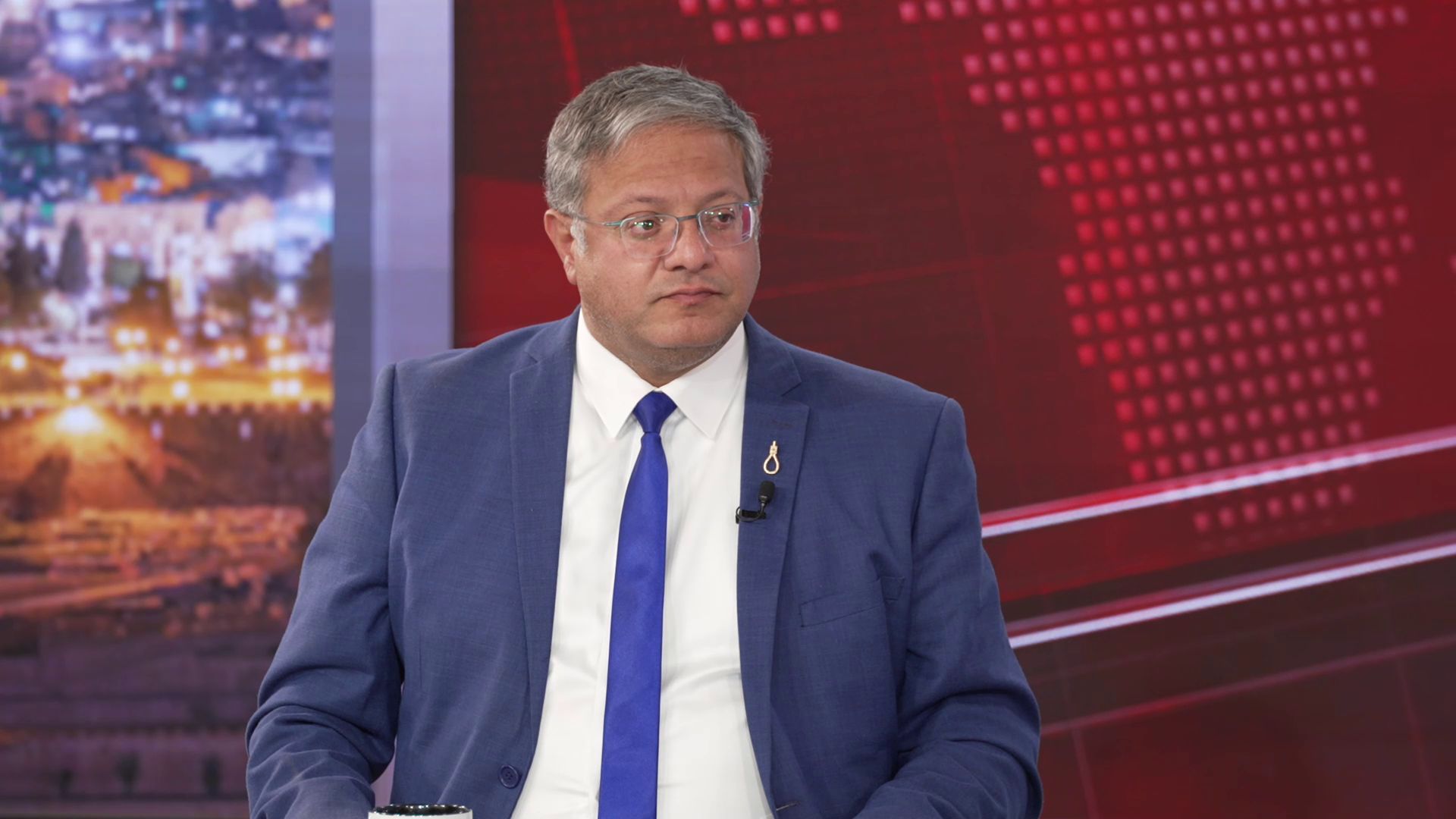
Ben-Gvir issued a sharp response to Feldstein's claim. "Indeed, after October 7 I was excluded from the restricted cabinet, as a result of the boycott imposed on me by Eisenkot and Gantz, as a condition for their joining," the minister wrote. He said he was only added to the cabinet after the two opposition figures departed, and credited himself with helping shift Israel's security doctrine since then.
The National Security Minister listed what he characterized as major operations that occurred after "the leftist duo who boycotted me stopped sabotaging from within": the capture of Rafah and the Philadelphi Corridor, the elimination of Hezbollah leader Hassan Nasrallah, the pager operation, establishment of a security zone in Lebanon, and various military operations including "Iron Swords" and "Roaring Lion."
Ben-Gvir contrasted his approach with that of former war cabinet member Gadi Eisenkot, claiming Eisenkot had demanded ending the war and surrendering to all Hamas conditions. "If he were still in the role, Sinwar would still be alive today, controlling all of Gaza, our prisons would be empty of all terrorists, Nasrallah would be alive and Radwan Force would be sitting on the fences of northern communities," Ben-Gvir wrote. He concluded by suggesting that "the same forces on the right now want him in government instead of Ben-Gvir."