Disturbing testimony emerging from southern Iran reveals the brutal mechanisms of the Tehran regime's crackdown on dissent, indicating that senior political figures personally participated in shooting live ammunition at civilians. According to a report by Iran International, Jafar Qorbaqbani, a member of Iran's parliament representing Bushehr province and a former security force operative, personally fired at protesters during the massive wave of demonstrations that shook the country this past January.
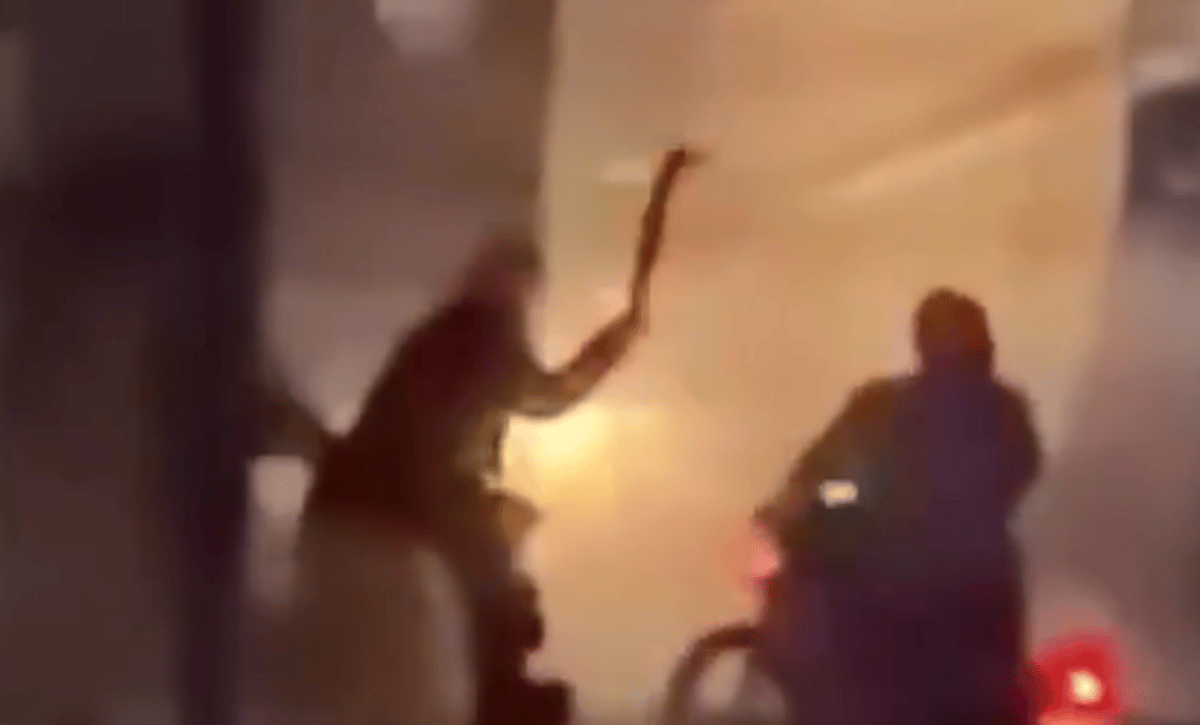
The incidents occurred on January 8 and 9, when regime security forces opened live fire on demonstrators from the roof of the Al-Quran Mosque, from a Basij organization facility, and from nearby buildings on Ashura Street in Bushehr city. Eyewitnesses present at the scene identified Qorbaqbani as one of the armed men positioned on the rooftops. Some witnesses described him wielding a pistol, while others claimed he carried a Kalashnikov assault rifle. One eyewitness recounted that as he opened fire, Qorbaqbani shouted the loyalty cry "Labaik Ya Khamenei" toward (then) Supreme Leader Ali Khamenei.
The collection of testimony gathered by the media outlet attributes direct gunfire at at least 19 people to Qorbaqbani, with at least two killed as a result of the injuries. Local residents in Bushehr expressed little surprise at his harsh conduct, reporting that he is known in the area by the nickname "Jafar the Axe." Additionally, Qorbaqbani has longstanding ties to the Al-Quran Mosque from which the shooting was carried out, having served as chairman of the mosque's board for several years.
Following the deaths, the regime began applying heavy pressure on bereaved families in an effort to obscure evidence of the repression. A local source involved with the details reported that Qorbaqbani personally visited the homes of some families who had lost loved ones and attempted to pressure them into claiming their children were murdered by "terrorists" rather than by security forces, but the families refused to cooperate with the demand.
Qorbaqbani's operational history reveals a long career serving the Islamic Republic's enforcement and security apparatus. He joined the Revolutionary Guards in the early 1980s, and in the 2000s commanded a local Basij unit responsible for enforcing Sharia law—activities that included home raids, equipment confiscation, and arbitrary arrests. He subsequently served as governor of Bushehr, managed the regional campaign headquarters in the contested 2009 elections, and chaired the city council before being elected to parliament.
Qorbaqbani's involvement in repression is not new to residents. Evidence indicates he was also involved in suppressing previous waves of protest in 2019 and 2022. Following the events of this past January, Qorbaqbani publicly spoke out against the demonstrators, calling them "rioters" and characterizing the protests as a "terrorist operation." He also called on Iran's judicial system to open criminal cases against all participants and impose "the heaviest punishments."
The serious allegations against the parliamentarian have sparked widespread outrage among the Iranian public, highlighting the intolerable gap between his role as a public representative supposedly serving citizens and his actions on the ground shooting at them. The events in Bushehr are part of a far broader and deadlier crackdown: according to classified documents and testimony from medical teams, just two days of violent repression on January 8 and 9 claimed the lives of more than 36,500 people across Iran, in what is considered the deadliest suppression massacre in the history of protests in the country.