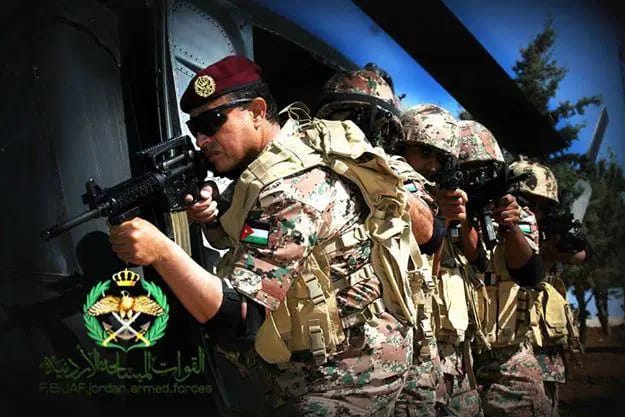
The Hashemite Kingdom of Jordan issued an explicit warning to the government of Iraq on Sunday, confirming that any attacks or cross border movements originating from Iraqi territory will meet immediate live fire. The warning comes amid heightened regional tensions following coordinated strikes by American and regional partners targeting Iranian proxy groups operating in Iraq.
The security situation escalated significantly following events in late July 2026, when pro-Iranian groups launched drone and ballistic missile attacks against Saudi energy infrastructure and American military positions hosted within Jordan. The attacks, executed under direct oversight from the Islamic Revolutionary Guard Corps, prompted joint military countermeasures.
On July 29, 2026, US Central Command forces alongside the Royal Saudi Air Force conducted joint airstrikes across Iraq. The operation targeted headquarters, weapons depots, and logistical nodes belonging to Popular Mobilization Forces units. According to statements provided by an American official to the New York Times, the strikes resulted in the deaths of approximately 20 Iranian advisers, including Islamic Revolutionary Guard Corps personnel and technical specialists.
This operation marks the first occasion in which Saudi Arabia has publicly and officially participated in direct military strikes on Iraqi territory. Saudi involvement represents a shift in strategy following years of diplomatic attempts to contain regional escalation, driven by repeated drone and missile strikes against oil facilities across eastern and western provinces of the kingdom.
In response to the casualties sustained during the joint air raids, Iraqi organizations including Kataib Hezbollah and the al-Nujaba Movement issued threats of retaliation. Jordan, which hosts American personnel and provides airspace for foreign military operations, emerged as a direct target for these threats. The Hashemite regime informed officials in Baghdad that it will not tolerate threats to its territorial sovereignty.
Saudi media outlets reported that Syria also issued a parallel warning to Iraqi authorities regarding potential border incursions. Government forces under the al-Sharaa regime deployed troop formations along the eastern border, warning that any hostile fire originating from Iraq will meet immediate military countermeasures.
The open military partnership between Saudi Arabia and the United States places Iraqi Prime Minister Ali al-Zaidi under pressure. Baghdad faces diplomatic obligations to regional partners while managing domestic pressure from pro-Iranian political factions demanding an end to foreign military presence.
Concurrently, Iranian Foreign Minister Abbas Araghchi held a telephone briefing with Saudi Foreign Minister Faisal bin Farhan to address the strikes. Araghchi issued a warning regarding regional security cooperation during the exchange.
"Any aggression and hostile action by the US and Israel, or cooperation and support from countries in the region, will be met with a decisive and appropriate response from the armed forces of Iran," Araghchi stated. "The responsibility for all consequences resulting from these adventures will fall on those who caused them."
According to statements provided to Kikar HaShabbat, defense analysts note that the burden now rests on the Iraqi government to enforce security control over its western borders before cross border fire triggers wider military engagements.