Get our mobile app
Download on the App StoreGet it on Google Play

Nuclear Energy

Safety Concerns at Egypt Nuclear Plant

Internal memos cite concrete defects, security lapses and alleged cover-ups at Russian-built El Dabaa facility, while Rosatom insists project meets international standards

Leaked Documents Reveal Serious Safety Concerns at Egypt's First Nuclear Plant

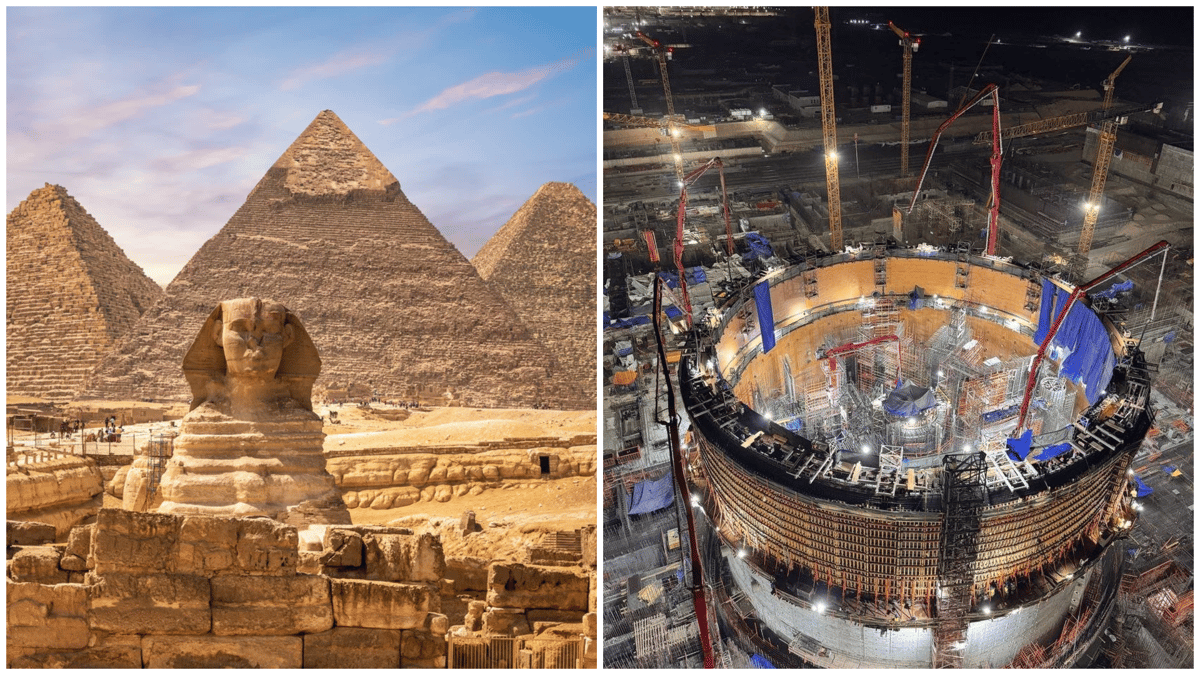
Egypt's ambitious entry into civilian nuclear power is facing scrutiny after confidential documents surfaced alleging construction defects, safety failures and security violations at the El Dabaa nuclear power station under construction on the Mediterranean coast. The facility, being built by Russia's state nuclear corporation Rosatom, is intended to transform Egypt into a regional nuclear energy player and supply a significant portion of the country's electricity needs.

According to documents obtained by Politico, Egypt's Nuclear Power Plants Authority sent a confidential letter on June 4 to a senior Rosatom official warning of "deficiencies" in several reactor units and what was described as "deliberate negligence" by parties involved in the project.

The allegations carry particular weight given the nature of the project. El Dabaa represents Egypt's first nuclear power station and is designed to house four VVER-1200 reactors, each with a capacity of 1,200 megawatts, for a total output of 4,800 megawatts. These Russian-designed reactors belong to the same technology family Rosatom deploys in projects worldwide.

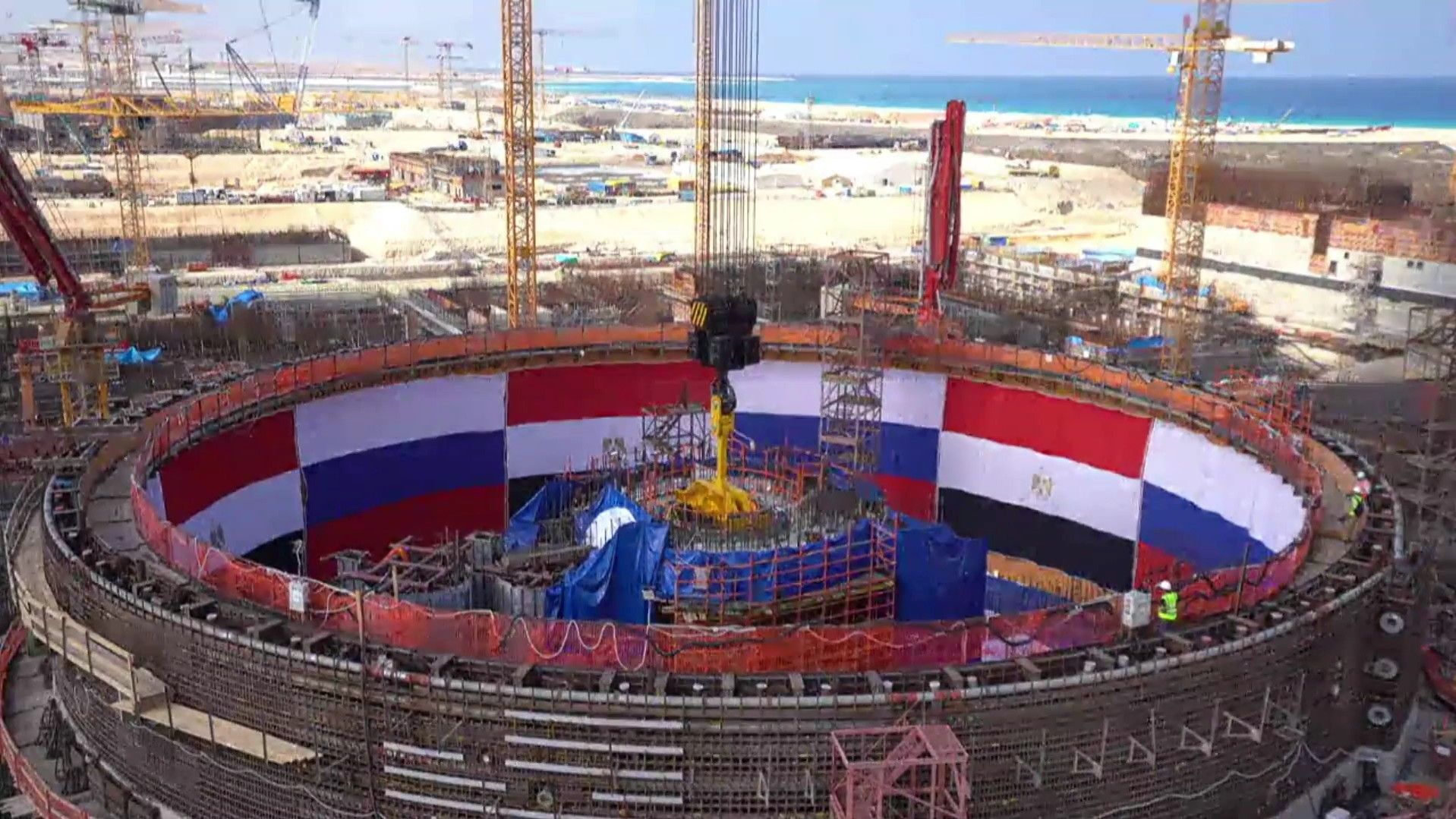
Construction at the site began in 2022, and in recent months Egypt has promoted the project as a symbol of technological advancement and strategic partnership with Moscow. In July 2026, the reactor pressure vessel for Unit 2 was installed in a ceremony attended by Egypt's prime minister, the Egyptian electricity minister, Rosatom's director general, and International Atomic Energy Agency chief Rafael Grossi.
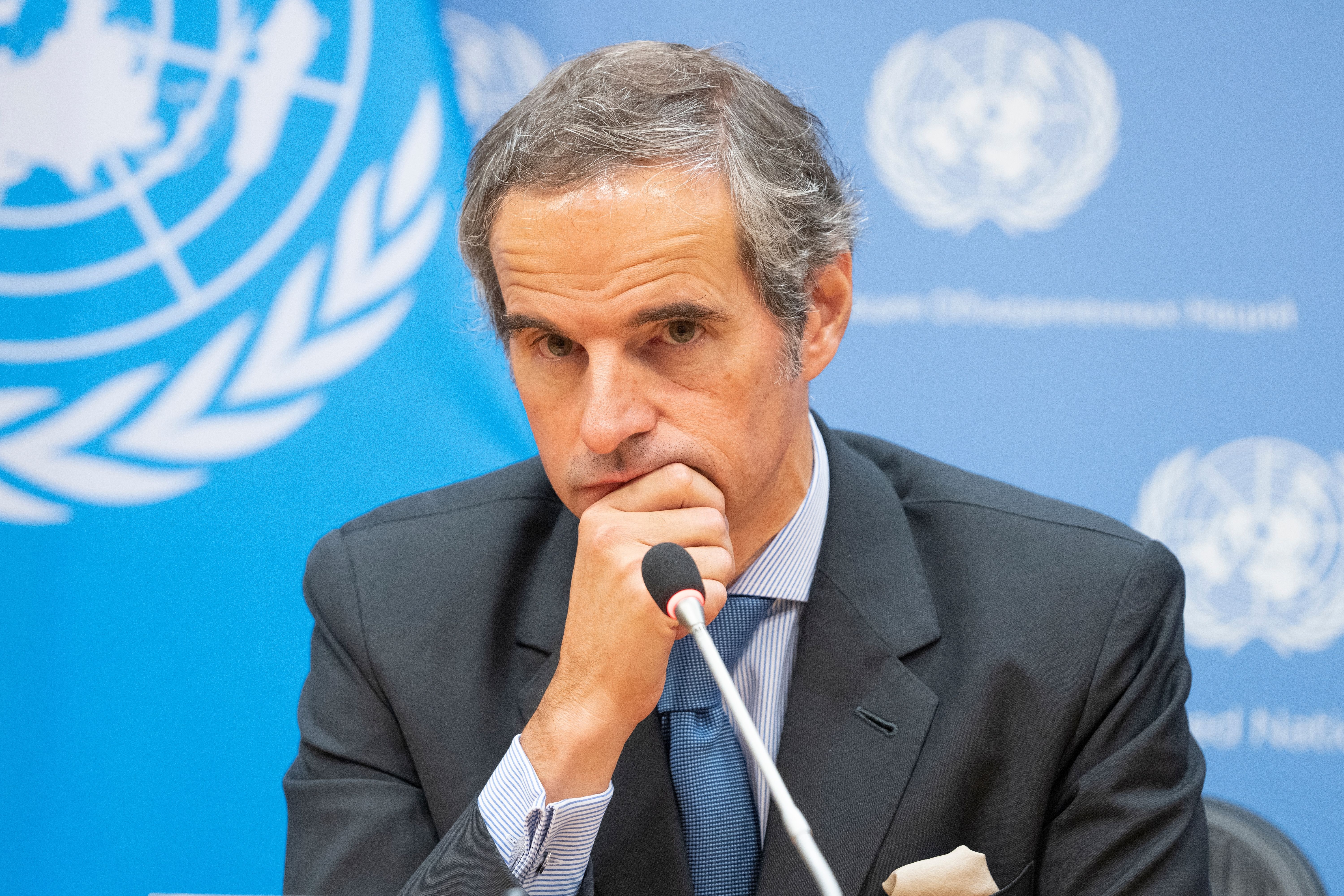
Grossi, head of IAEA
Grossi, head of IAEA (Photo: Shutterstock)

Behind the ceremonial images from the construction site, however, a different picture is now emerging.

The leaked Egyptian letter describes recurring concrete defects at the facility. Specific problems cited include voids behind metal lining in Unit 4, defects in the foundation slabs of Units 1, 2 and 3 that reportedly required nearly a year to repair, and flaws in the cylindrical wall structure of the reactor building in Unit 4.

Egyptian authorities also alleged that misleading data was presented regarding construction progress. According to the document, methods were employed to create the impression that more than half the project had been completed, while visual inspection at the site revealed that key structures of the "nuclear island" remained in underground construction phases.

Alongside construction defects, the documents contain serious allegations regarding security. Russian workers at the site allegedly possessed prohibited alcoholic beverages in the workplace, reportedly used forged credentials, and even impersonated others to gain unauthorized access. The letter further claimed that photos and videos taken at the site reached social media platforms, damaging the project's reputation.

Contractor: Russia — Construction of El-Dab'a Nuclear Power Station"
Contractor: Russia — Construction of El-Dab'a Nuclear Power Station" (צילום: By kremlin.ru, CC BY 4.0, https://commons.wikimedia.org/w/index.php?curid=178882039)

The allegations emerge just as Egypt attempts to portray El Dabaa as a project gaining momentum. In July, Egyptian authorities reported the installation of the reactor pressure vessel in Unit 2, a central component of the reactor core system. Meanwhile, Rosatom continues to declare that work is proceeding on schedule and that the project meets the highest standards of quality and nuclear safety.

The Egyptian project continues to advance, but now under a new spotlight. Instead of images of cranes, reactors and massive pressure vessels, the story's focus has shifted to confidential documents, concrete defects, alleged security breaches and the extraordinary accusation of "deliberate negligence."

Rosatom's response? The company insists everything is under control.

Ready for more?

Join our newsletter to receive updates on new articles and exclusive content.

We respect your privacy and will never share your information.

Enjoyed this article?

Yes (29)
No (1)
Follow Us:

Unmissable content


Loading comments...

Also of Interest