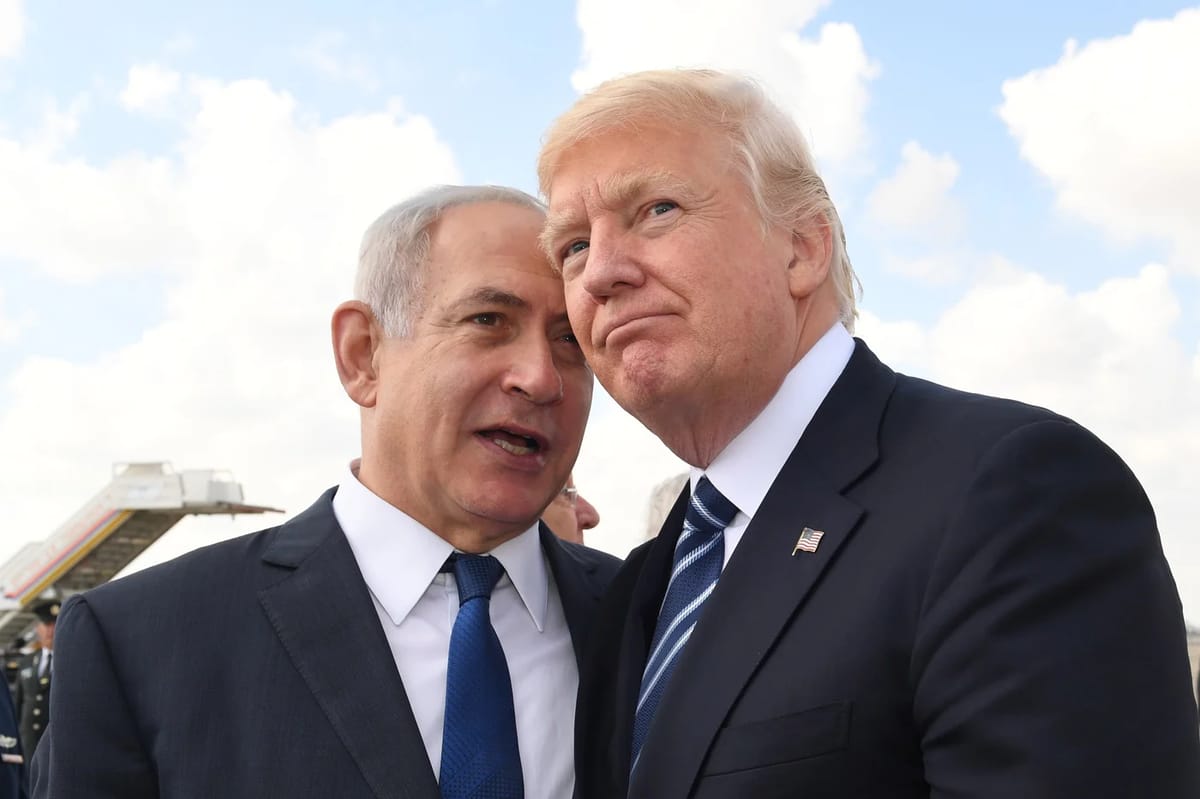
In an interview with ABC News following his Washington visit, Prime Minister Benjamin Netanyahu rejected reports claiming he pressured President Donald Trump to resume military operations against Iran.
Netanyahu clarified the alliance dynamic, acknowledging the United States as the senior partner and describing himself as the junior partner, while emphasizing his commitment to standing firm on Israel's core national security interests.
Three Strategic Options Disclosed
Netanyahu revealed that discussions at the White House centered on three distinct strategic avenues for addressing the Iranian threat: negotiating a broader agreement, maintaining an economic blockade around the Strait of Hormuz, or executing additional military strikes.
While refusing to endorse a specific path and noting the ultimate choice remains with President Trump, Netanyahu expressed deep skepticism regarding diplomatic solutions.
He cautioned that historical precedent demonstrates Tehran routinely misleads negotiators to buy time, urging extreme vigilance if diplomatic or economic pressure is pursued.
Regime Stability and Warning to Tehran
Addressing questions on regime stability, Netanyahu noted that Iran currently operates from a position of relative geopolitical weakness compared to Israel's strong posture, though he refrained from predicting an imminent collapse of the regime. He affirmed that preventing a nuclear-armed Iran remains the shared, non-negotiable objective of both leaderships.
PM Netanyahu concluded with a direct warning to military leadership in Tehran, stating that any aggression against Israeli territory or citizens would be met with an immediate and powerful military response.