Get our mobile app
Download on the App StoreGet it on Google Play

Air Defense Stockpile Crisis

CENTCOM Chief Dismisses Interceptor Crisis

Admiral Brad Cooper insists U.S. air defenses remain robust, but Pentagon documents tell a different story: Operation Epic Fury consumed $22 billion in munitions, interceptor stockpiles slashed by half, and production bottlenecks will take years to resolve

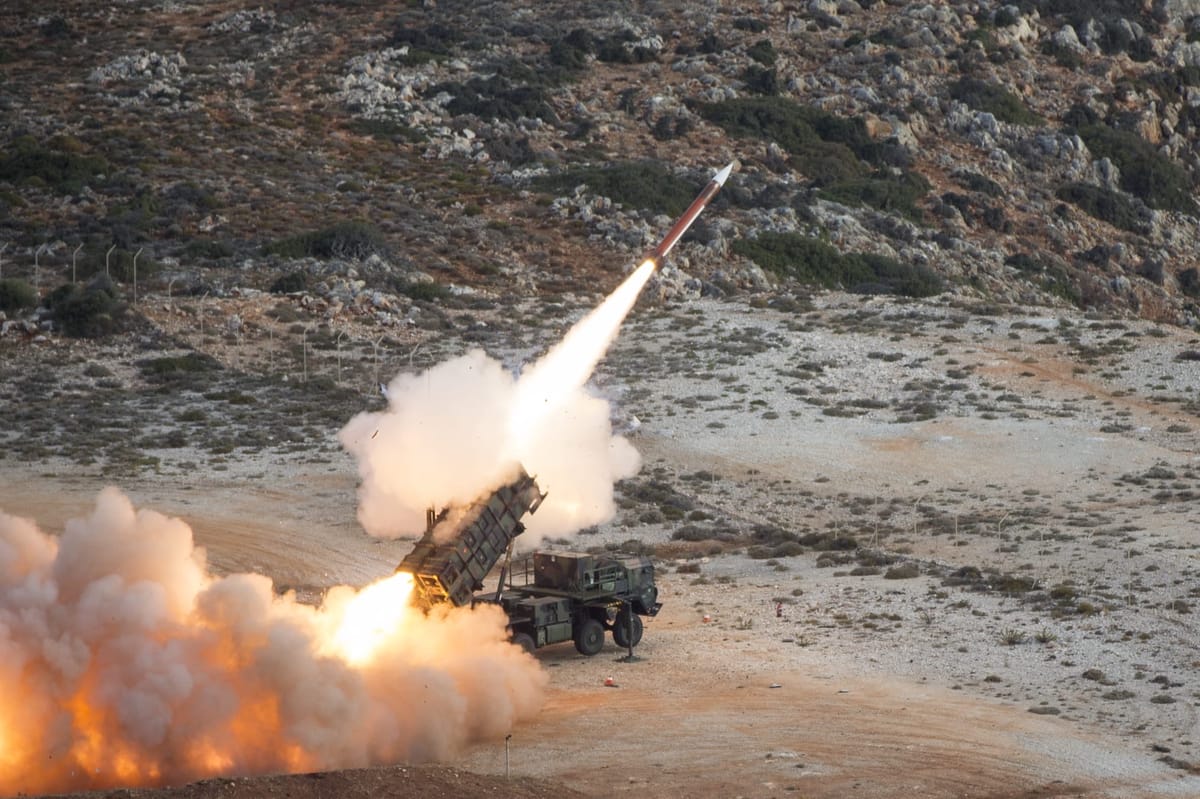
Patriot missile battery

Admiral Brad Cooper, commander of U.S. Central Command (CENTCOM), forcefully rejected concerns about American weapons stockpile depletion following months of confrontation with Iranian missile and drone attacks. In an interview with CBS's "60 Minutes," Cooper responded to questions about inventory levels: "I'm not concerned at all. We are well-armed and ready for any contingency."

When asked specifically about assessments that the United States had expended approximately 45% of its Patriot missile stockpile and more than half of its THAAD system inventory, Cooper repeated his position: "I'm not concerned." His statements were designed to project readiness and deterrence against Iran amid ongoing exchanges of fire.

Alarming Numbers Behind the Assurances

Analysis by the Center for Strategic and International Studies (CSIS) points to a sharp decline in inventory levels. Patriot missile stockpiles dropped from approximately 2,330 units before the conflict to between 759 and 827 by the end of July 2026. THAAD inventory fell from roughly 452 to between 234 and 278. Consumption rates remain high in other theaters as well, including Europe and the Indo-Pacific, raising concerns about readiness against other threats.

A report by the Department of Defense Inspector General, published on September 14, confirmed that the war with Iran (Operation Epic Fury) caused a "strategic inventory shortage" and exposed bottlenecks in the manufacturing industry. The cost of munitions consumed during the February–June 2026 period was estimated at approximately $22.3 billion out of a total of roughly $33.4 billion.

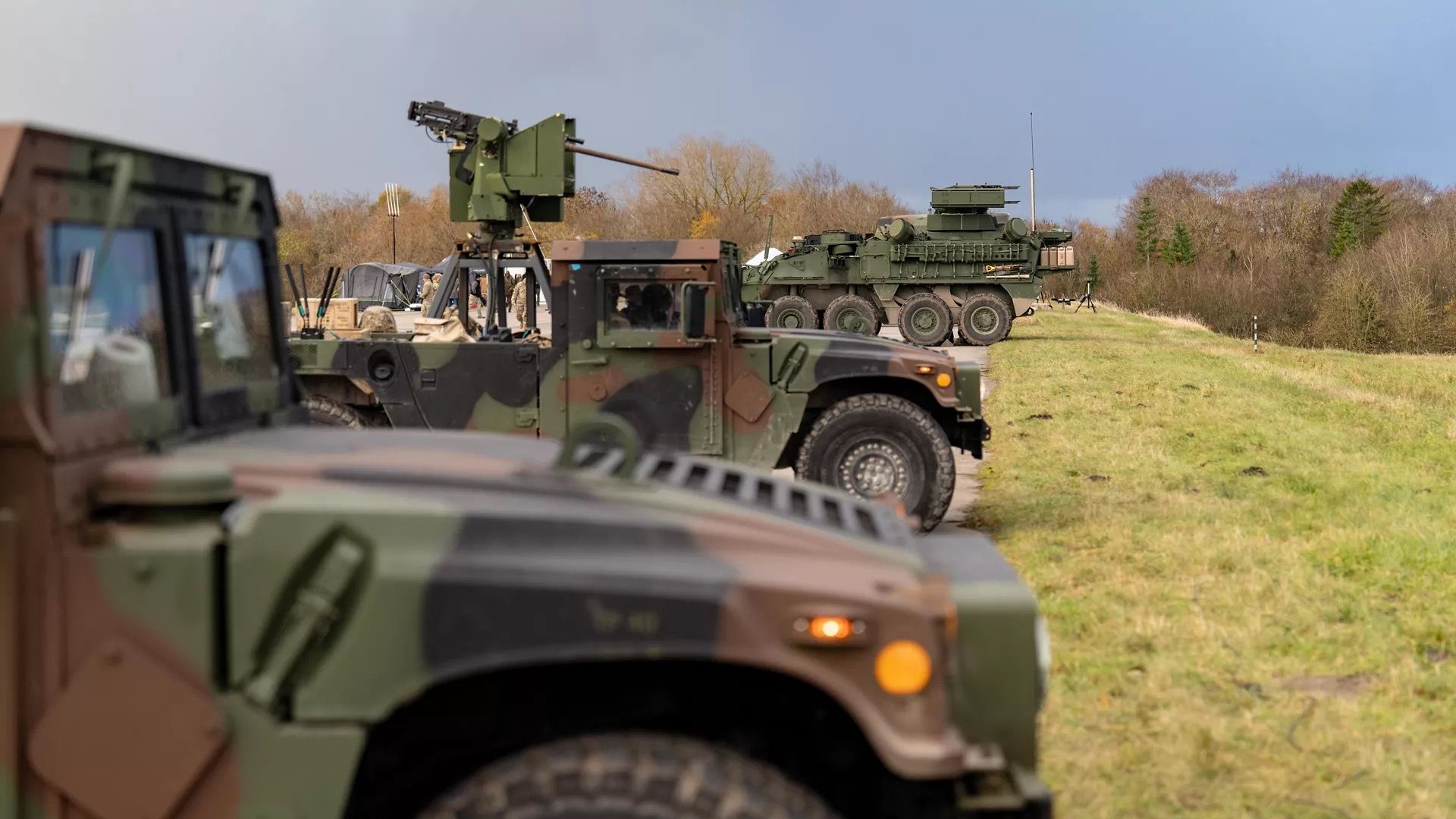
Advanced anti-drone technologies
Advanced anti-drone technologies (Photo: German NATO Mission)

Extensive Leak Investigation

In August 2026, the Pentagon conducted polygraph examinations of approximately 50 Joint Staff personnel as part of a sweeping investigation into leaks to media outlets. The leaks concerned, among other matters, the state of munitions stockpiles following the confrontation with Iran. The scope of the measure was considered extraordinary.

The Pentagon is working to accelerate production through new contracts. Manufacturers, including Lockheed Martin, are planning to increase THAAD missile output. However, analysts estimate that restoring inventory to pre-conflict levels may take several years.

Cooper's remarks reflect a command posture designed to reassure and project stability, while independent data and official reports indicate genuine depletion of interceptor stockpiles and an ongoing strategic challenge for the U.S. military.

Ready for more?

Join our newsletter to receive updates on new articles and exclusive content.

We respect your privacy and will never share your information.

Enjoyed this article?

Yes
No
Follow Us:

Unmissable content


Loading comments...

Also of Interest