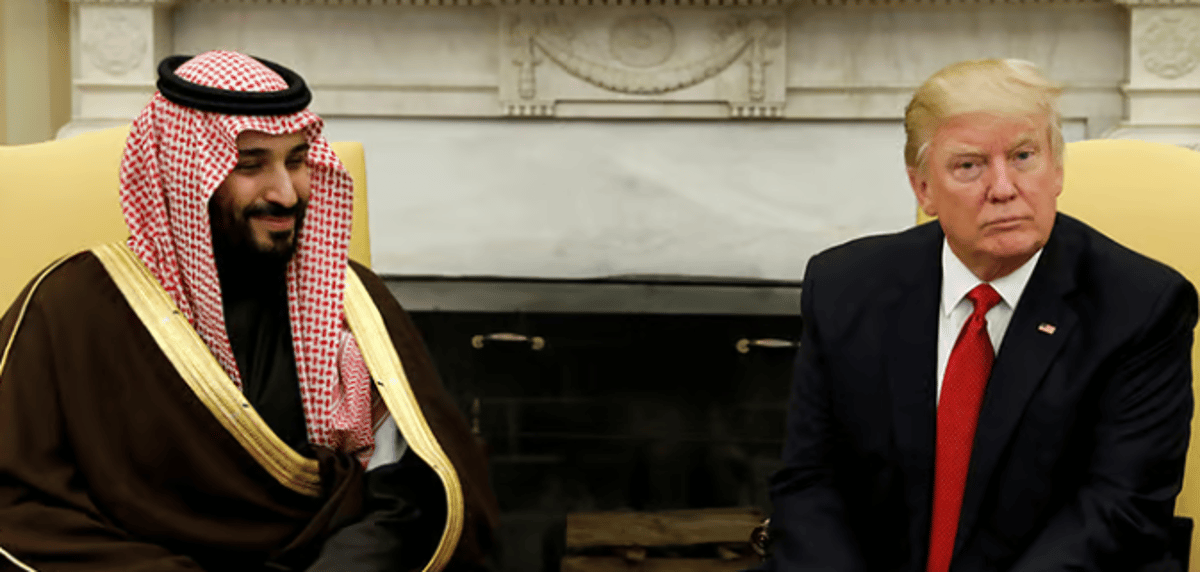
 De-escalation Appeal Succeeded

Saudi Arabia Confirms: Crown Prince Bin Salman Convinced Trump to Cancel Iran Strikes

Saudi Crown Prince Mohammed bin Salman's Saturday call to Trump prompted cancellation of massive Iranian energy infrastructure strikes; MBS expressed concern over targets and urged diplomatic approach.

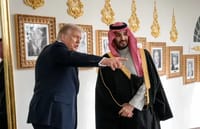
MBS, President Trump

Saudi Arabia's Foreign Ministry formally confirmed Saturday that Crown Prince Mohammed bin Salman conducted a late-night call with President Trump in which he pressed for a diplomatic approach rather than military strikes against Iran.

The official Saudi statement represented a rare public acknowledgment of Riyadh's direct intervention in U.S. decision-making on the conflict. According to the Foreign Ministry: "His Royal Highness, Prince Mohammed bin Salman bin Abdulaziz Al Saud, Crown Prince and Prime Minister, held a telephone conversation with the President of the United States [Donald Trump] to discuss developments in the region and their regional and international implications."

The statement continued with explicit language on bin Salman's position: "His Royal Highness emphasized the need to prioritize dialogue in order to reduce escalation and the importance of making every possible effort to achieve de-escalation that paves the way for diplomatic solutions, seeks to preserve the security and stability of the region and prevents broader confrontation whose consequences will affect security and stability at the regional and international level."
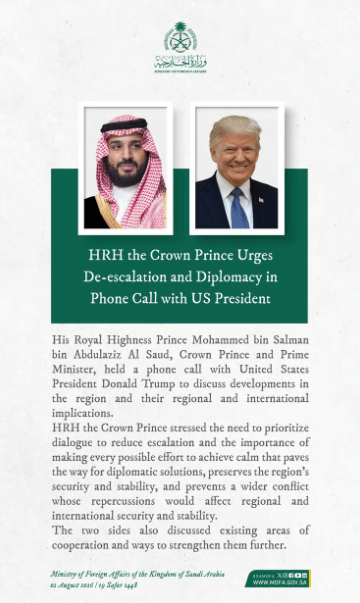
Bin Salman stops US Strikes on Iran

According to CBS News, bin Salman "cautioned him against conducting a fresh round of strikes on Iran," while one source said bin Salman's outreach to Trump was "all about concern over the targets."

Hours after the call, Trump announced the cancellation. Trump announced Saturday night that he would "cancel a pending attack on Iran after he indicated that a rough framework of a peace deal had been reached."

The operation would have been among the most extensive bombing campaigns against Iran to date. An "attack on Iran's infrastructure and energy sites would escalate the war that the president has repeatedly pressed pause on in order to negotiate with Iran, only for strikes to resume when diplomacy appeared stalled."

Saudi Arabia's formal confirmation of its intervention marks a significant diplomatic moment. Rather than remaining behind-the-scenes, Riyadh chose to publicly acknowledge its role in moderating U.S. military escalation, a signal to both Washington and Tehran that the kingdom prioritizes regional stability over conflict expansion.

Other regional powers, including Qatar, the United Arab Emirates, Turkey and Pakistan, have also pressed the U.S. and Iran to de-escalate. But Saudi Arabia's official statement stands as the most explicit public acknowledgment from a key U.S. ally of active intervention to prevent strikes.

Saudi Defense Minister Prince Khalid bin Salman had previously conveyed similar messaging in Washington, telling U.S. Vice President JD Vance during a meeting that Riyadh wanted tensions with Iran reduced and sought to prevent further escalation.

Iran responded cautiously. Iranian Foreign Minister Abbas Araghchi warned that "any hostile action by the U.S. or Israel, or participation or cooperation by regional countries in such actions, would be met with a decisive and proportionate response from Iran's powerful armed forces."

The Saudi move reflects Riyadh's concern that wider regional conflict could disrupt energy markets, shipping lanes, and broader diplomatic efforts. The kingdom has also been pursuing its own regional de-escalation initiatives, including efforts to secure the Strait of Hormuz and protect shipping corridors critical to global energy supplies.

Ready for more?

Join our newsletter to receive updates on new articles and exclusive content.

We respect your privacy and will never share your information.

Enjoyed this article?

Yes (13)
No (1)
Follow Us:
2

Unmissable content


Loading comments...

Also of Interest