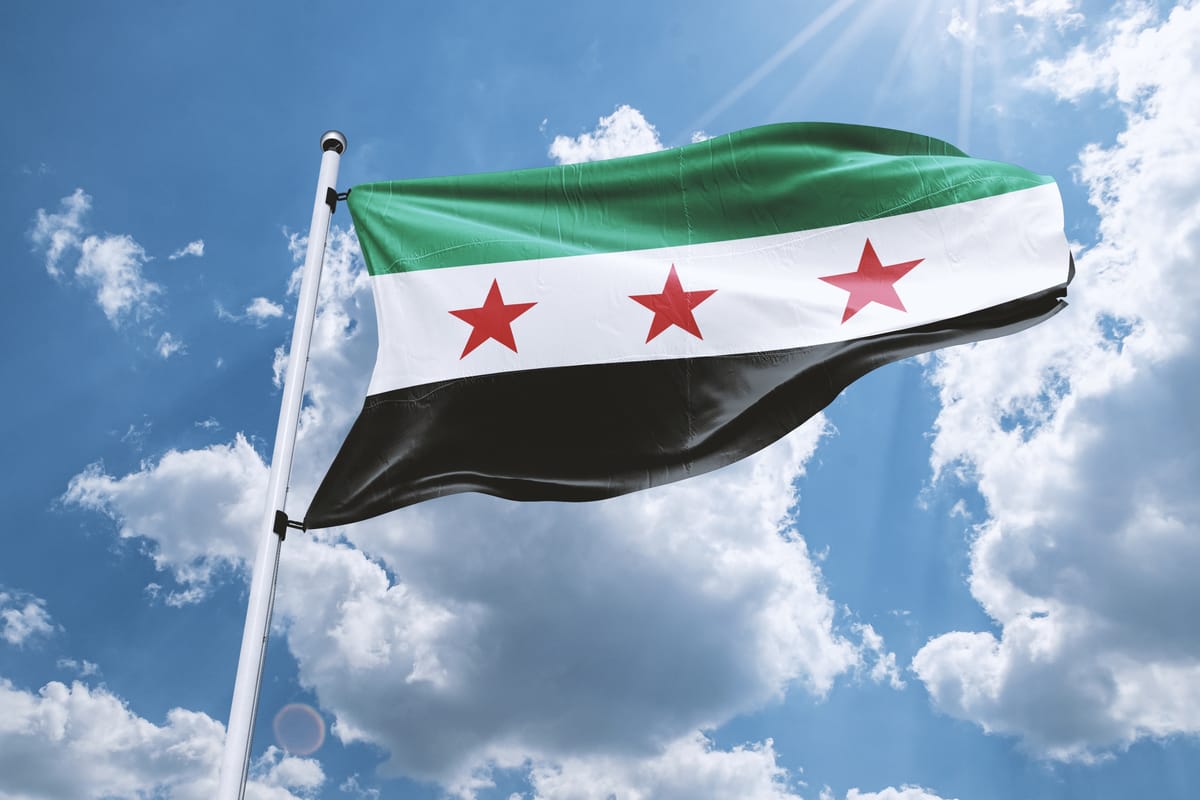
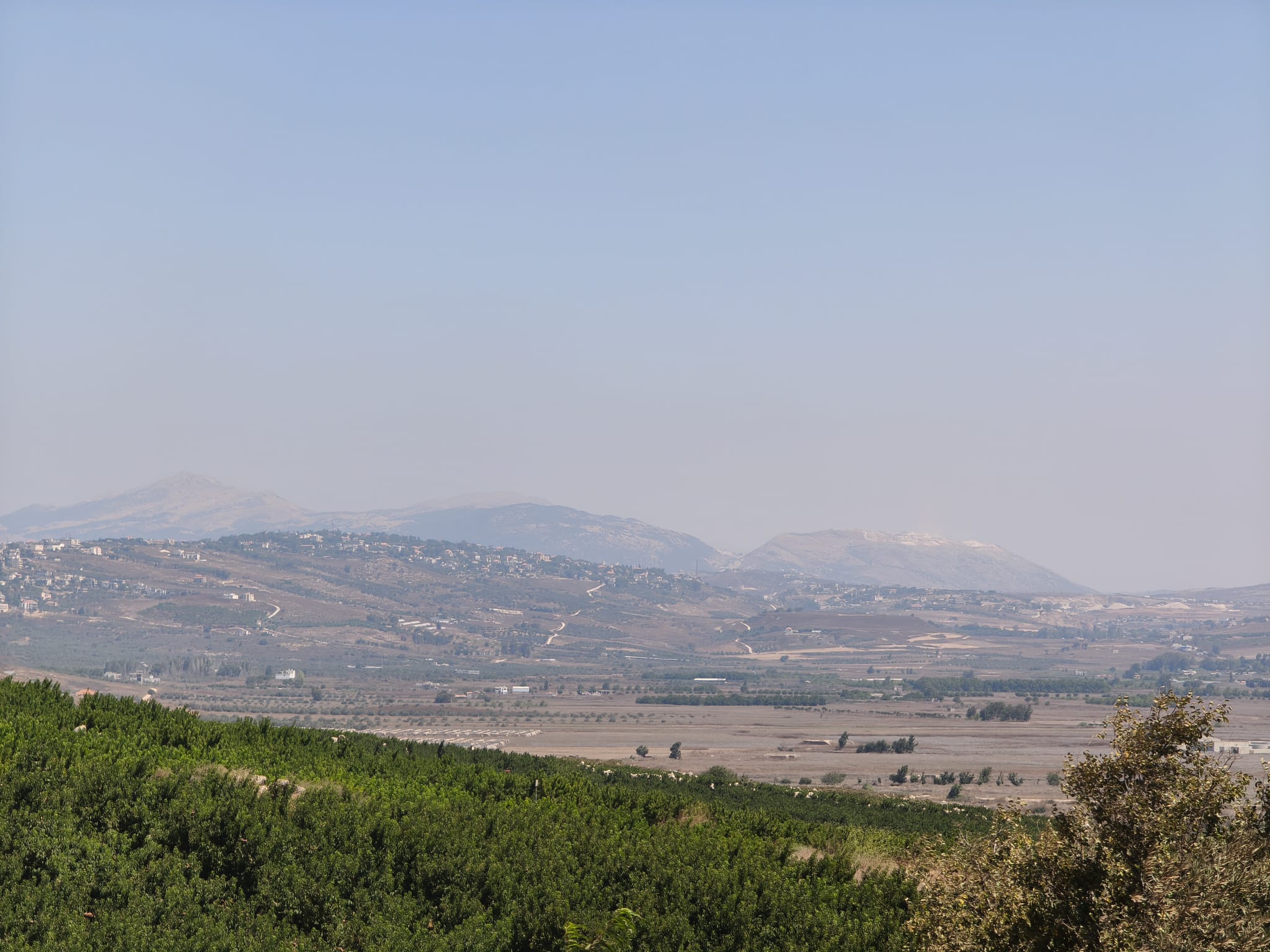
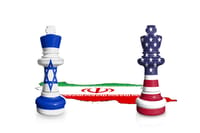
The new Damascus-centered alliance—structured around what is being described as a "Mecca Agreement"—represents a geopolitical earthquake aimed at permanently blocking Tehran's influence in the Levant. For more than a decade, Syria functioned as a vital artery and strategic corridor for Iran, facilitating the transfer of weapons, military advisers and Shiite militias from the heart of the Islamic Republic to the borders of Lebanon and the Golan Heights. The new pact offers Damascus a robust Sunni security and economic umbrella, including broad diplomatic backing, Turkish military assistance and extensive Saudi financial support.
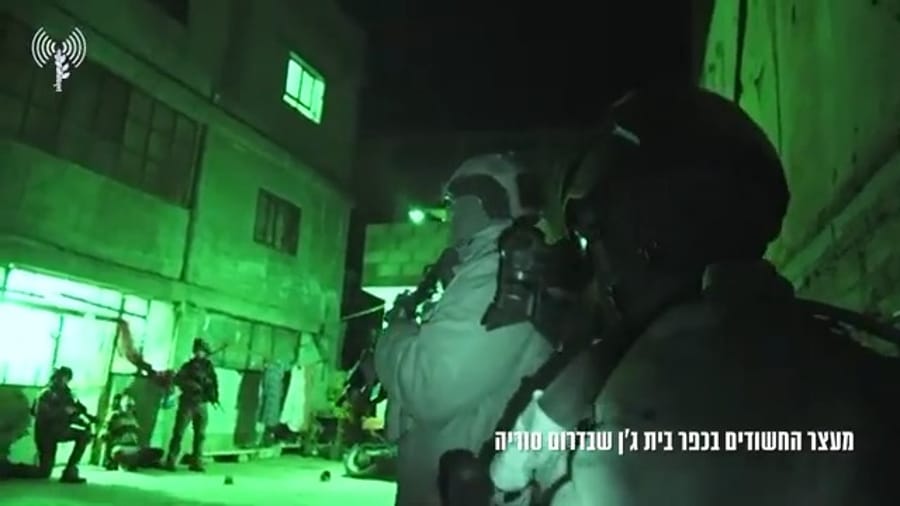
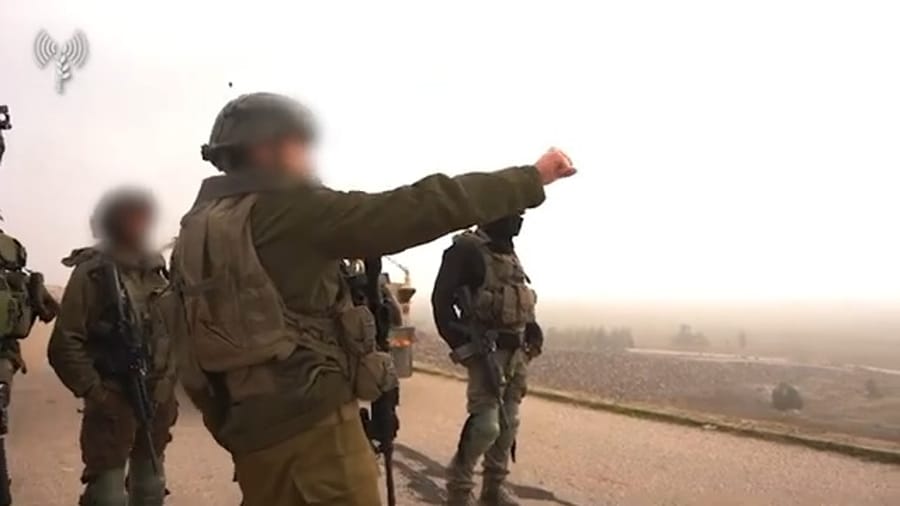
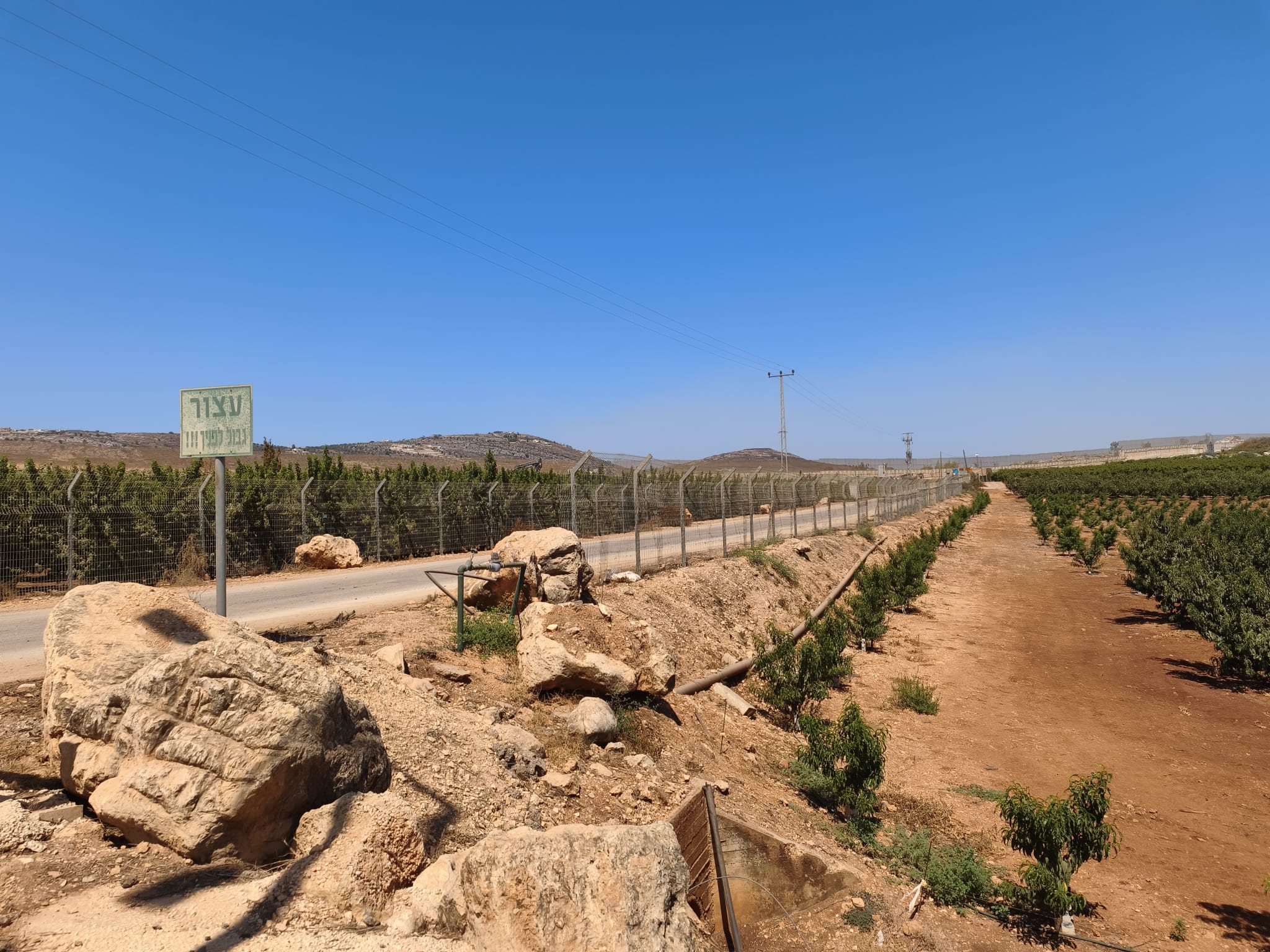
For Israel, this constitutes a significant insurance policy, dramatically reducing the risk of future Iranian attempts—or those of its proxies—to re-establish a foothold on Syrian soil. Blocking this corridor removes the threat of forward bases for Iran's Quds Force or Hezbollah near Israel's northern border, creating an entirely new security reality.
Beyond the immediate security dimension, Saudi-Turkish patronage grants Damascus unprecedented regional legitimacy and critical tools for state reconstruction. After years of bloody civil war, catastrophic economic destruction and deep territorial fragmentation, Syria stood on the brink of becoming a failed state or a breeding ground for Salafi-jihadist terror groups like ISIS. Relative stability under Sunni sponsorship could dramatically reduce the spillover of terrorism toward Israel's border.
Yet the new Sunni alignment is not without risks and strategic pitfalls. It creates tight dependency of Damascus on Ankara and Riyadh, raising sharp questions about the Syrian government's autonomy in making independent security decisions. Israel, for its part, will need to monitor closely and vigilantly the actual implementation of commitments to prevent Iranian presence on Syrian territory, since any future violation could rapidly restore the old threat.