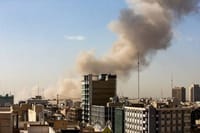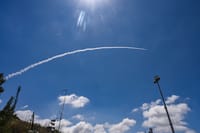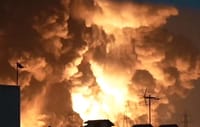
A New York Times investigation has laid out the scope of a string of Iranian missile and drone attacks on American forces in Jordan over the past week and a half, revealing that US military helicopters, including Black Hawks, were damaged in the campaign that culminated Friday in a strike killing two US service members and leaving a third missing.
US Central Command confirmed that the two soldiers were killed on July 17 while defending against Iranian ballistic missile and drone attacks at Muwaffaq Salti Air Base near Azraq. A third service member remains missing. Four other soldiers were medically evacuated to Jordanian hospitals and have since been discharged, while additional personnel evaluated for minor injuries have returned to duty. CENTCOM said it was withholding the identities of the fallen out of respect for their families until 24 hours after notification.
According to the Times, the Friday strike was one of at least four distinct Iranian attacks on American forces in Jordan in recent days. One hit a residential facility at King Faisal Air Base, injuring as many as five service members, though some tracking of the base names in circulating footage suggests the clips may actually depict strikes on Azraq or on Prince Hassan Air Base near Safawi rather than King Faisal itself. A separate strike hit a base in eastern Jordan where US Black Hawk helicopters were operating, damaging what the Times described as a significant number of them.
Roughly 48 hours before Friday's fatal strike, Iranian missiles hit Muwaffaq Salti again, wounding about 20 US troops as they rushed toward bunkers. No one was killed in that attack. The base, which houses the largest concentration of American tactical airpower anywhere in the Middle East, was then struck a second time on Friday, this time with fatal results.
As a result, the United States is actively expanding its military footprint in the region by deploying dozens of advanced fighter aircraft to the Middle East. American officials confirmed the massive aerial mobilization on Sunday, signaling that the Trump administration is preparing for a significant escalation in the scope of planned airstrikes against targets inside Iran. This dramatic reinforcement represents a clear shift toward a broader war footing across the entire theater of operations.
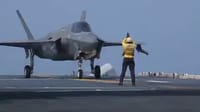
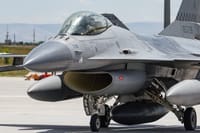
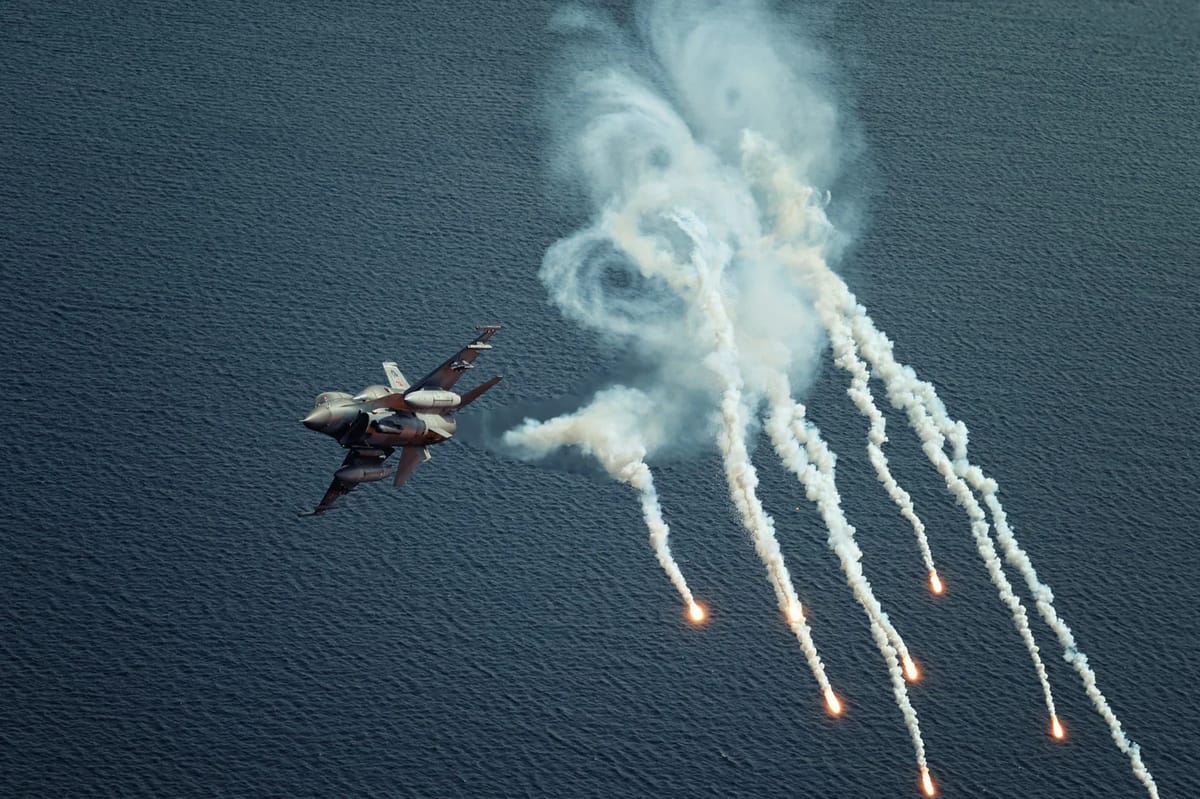
Advanced F-16 fighting falcons belonging to the United States Air Force currently stationed in Germany are participating in the massive movement. They are joined by cutting edge F-35 stealth fighter jets operating out of bases in the United Kingdom, with both groups currently en route to their new regional staging areas. The sensitive operational details were disclosed by official sources who spoke under the condition of anonymity to discuss active troop movements.
The Pentagon is also sending numerous aerial refueling tankers to the area to sustain the influx of combat aircraft. These logistics vessels are critical for maintaining long range bombing capabilities and keeping fighter lines in the air for extended durations. United States Central Command chose not to address the recent maneuvers, officially declining to comment on the specific deployment locations of these tactical strike forces.
The White House originally directed the military to dispatch these additional combat assets well before a devastating strike targeted American positions on Friday. That specific assault resulted in severe casualties for United States forces stationed at a base in Jordan. The hostile action killed two American soldiers, left another service member missing in action, and wounded numerous others with varying degrees of severity.
The lethal outcome of the Jordan base attack has intensified the resolve of the administration to expand the air campaign. With multiple fighter squadrons and refueling wings converging on the region, the military infrastructure is fully prepared for an immediate escalation. Analysts expect these combined forces to begin targeting state infrastructure and proxy networks to deter further aggression against American installations.