Israel has incurred hundreds of millions of shekels in costs from repeatedly mobilizing military resources for threatened strikes against Iran that do not materialize, according to Israeli defense officials. The pattern of threats followed by cancellations has created what military planners describe as a drain on both the defense budget and operational readiness.
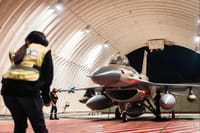
Each cycle of threatened Iranian strikes triggers standard Israeli military protocols: reservist call-ups, aircraft preparation, heightened air-defense readiness, and logistical mobilization across multiple commands. When the threatened strikes do not occur, Israel absorbs the full cost of the mobilization while gaining no operational benefit.
The repeated pattern has prompted Israeli officials to privately question the credibility of strike threats and has raised concerns about the sustainability of repeated large-scale mobilizations. Reservist call-ups alone carry significant economic costs as soldiers are removed from civilian employment and placed on active duty, creating cascading effects on the broader economy.
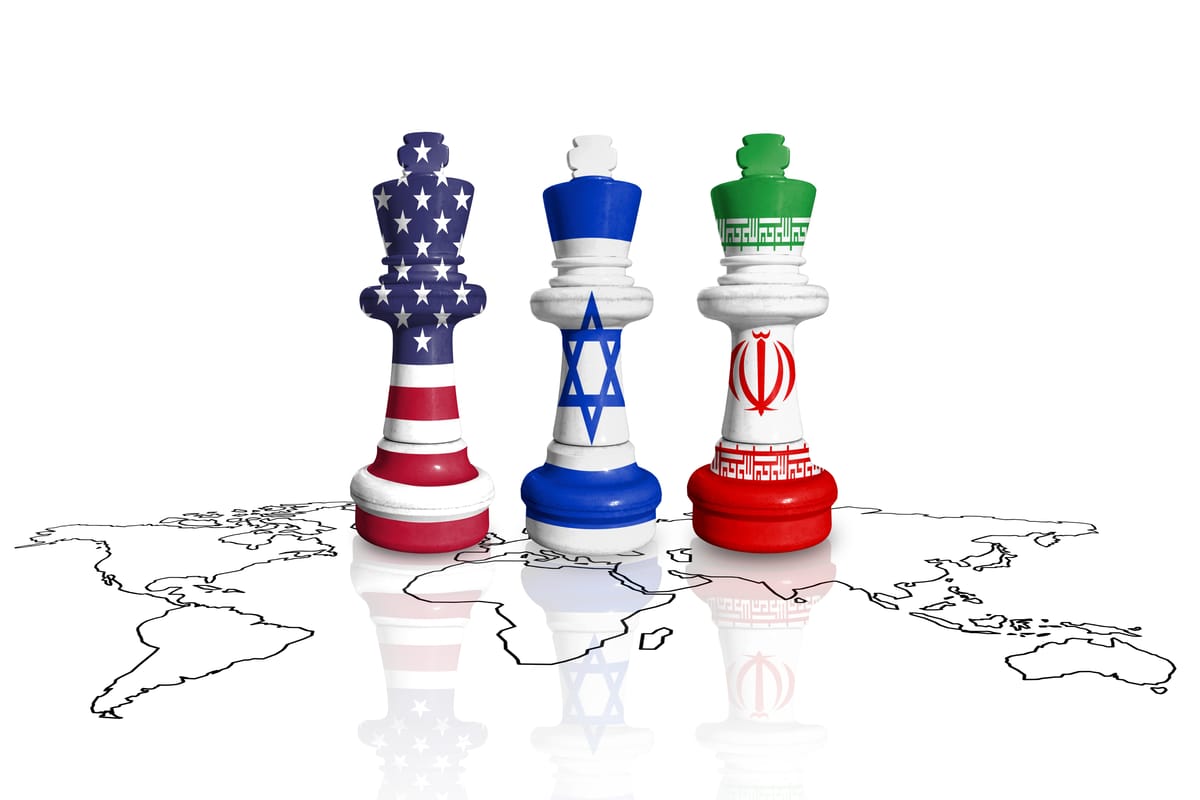
The pattern reflects the broader tension between the Trump administration's bellicose rhetoric toward Iran and the constraints on actual military action. While Trump administration officials have repeatedly threatened renewed strikes, follow-through has been inconsistent, creating uncertainty for allied militaries like Israel that must prepare for potential escalation.
Israeli defense officials have not publicly attributed specific dollar amounts to individual mobilization cycles, but defense budget analysts estimate the cumulative costs have reached into the hundreds of millions of shekels across multiple cycles of threatened-but-unrealized strikes over recent months.
The financial strain compounds other challenges facing Israel's defense budget, including ongoing operations in Gaza and Lebanon, weapons replenishment following intensive airstrikes, and equipment maintenance.