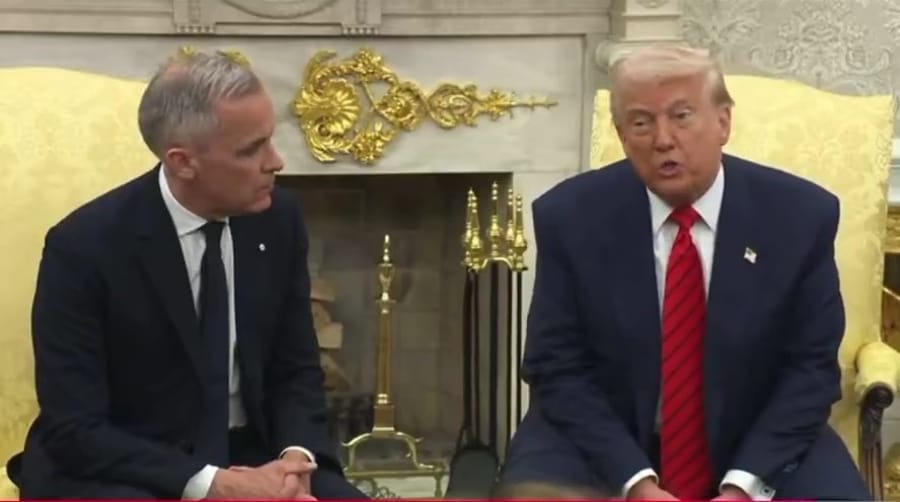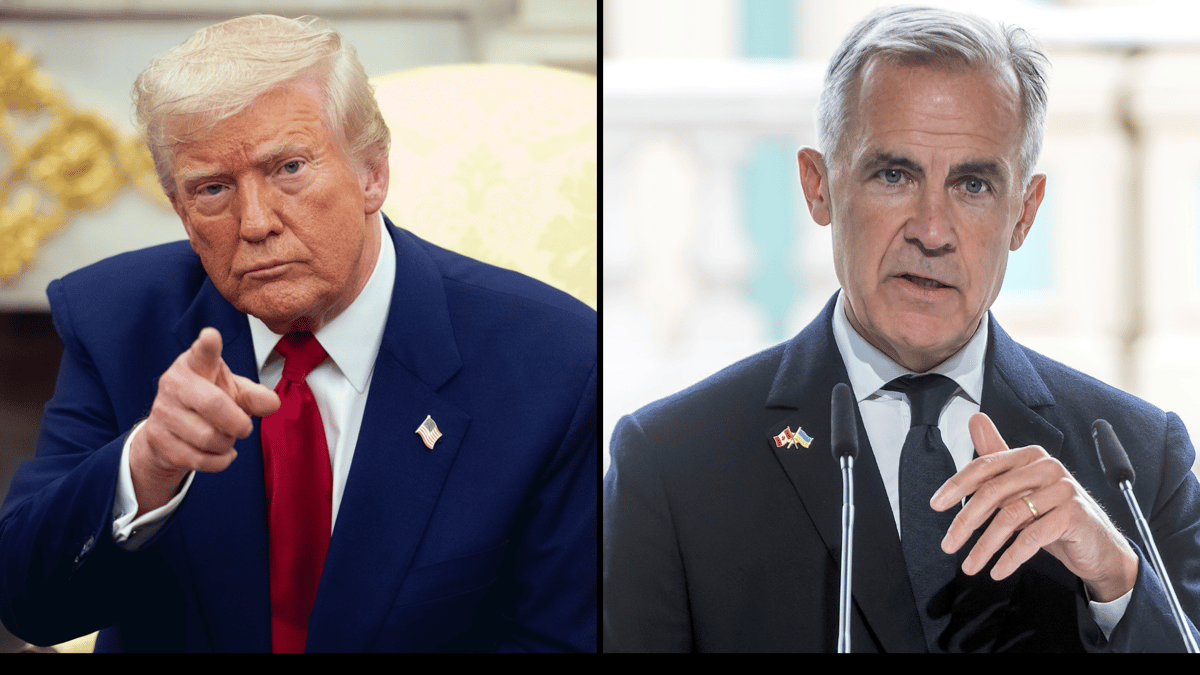
A fundamental rupture has opened in the relationship between the United States and Canada. What had been for decades the closest and most stable alliance in the Western world transformed over a single weekend in late August 2026 into a bitter trade confrontation, marked by mutual recriminations and unprecedented escalation. The collapse of negotiations on Friday night and the imposition of massive American tariffs on Saturday unleashed a fresh wave of anger, heated posts on Truth Social, and diplomatic fury.
Here is a comprehensive analysis of the diplomatic and trade storm: how tensions built, what happened during the critical moments of that weekend, and how the sharp exchanges have unfolded in the days since the breakdown.
The spark: from tariff disputes to challenges to sovereignty
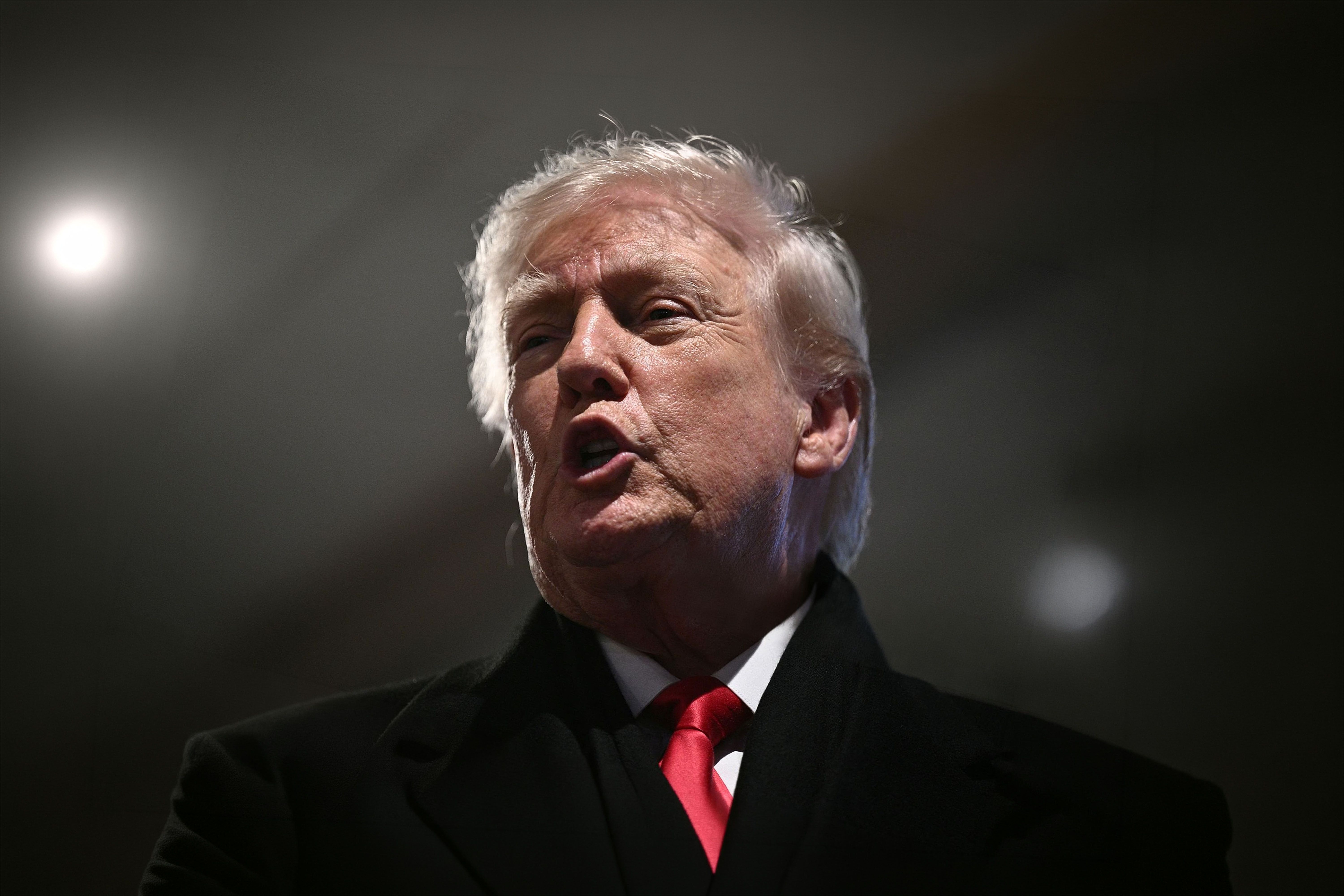
The roots of the current rift did not emerge from nowhere. Throughout President Donald Trump's current term, relations with Ottawa have grown increasingly complicated. Trump has repeatedly complained about Canadian tariffs on dairy and alcohol products, claimed the existence of a massive trade deficit, and issued repeated demands for changes to trade terms.
But the real turning point came when the White House began openly questioning the legitimacy of Canada's economic and security model. Trump repeatedly floated provocative ideas, such as the possibility that Canada might become "the 51st state of the U.S.," and claimed flatly that Canada has "no military at all" and relies parasitically on American security and economic support.
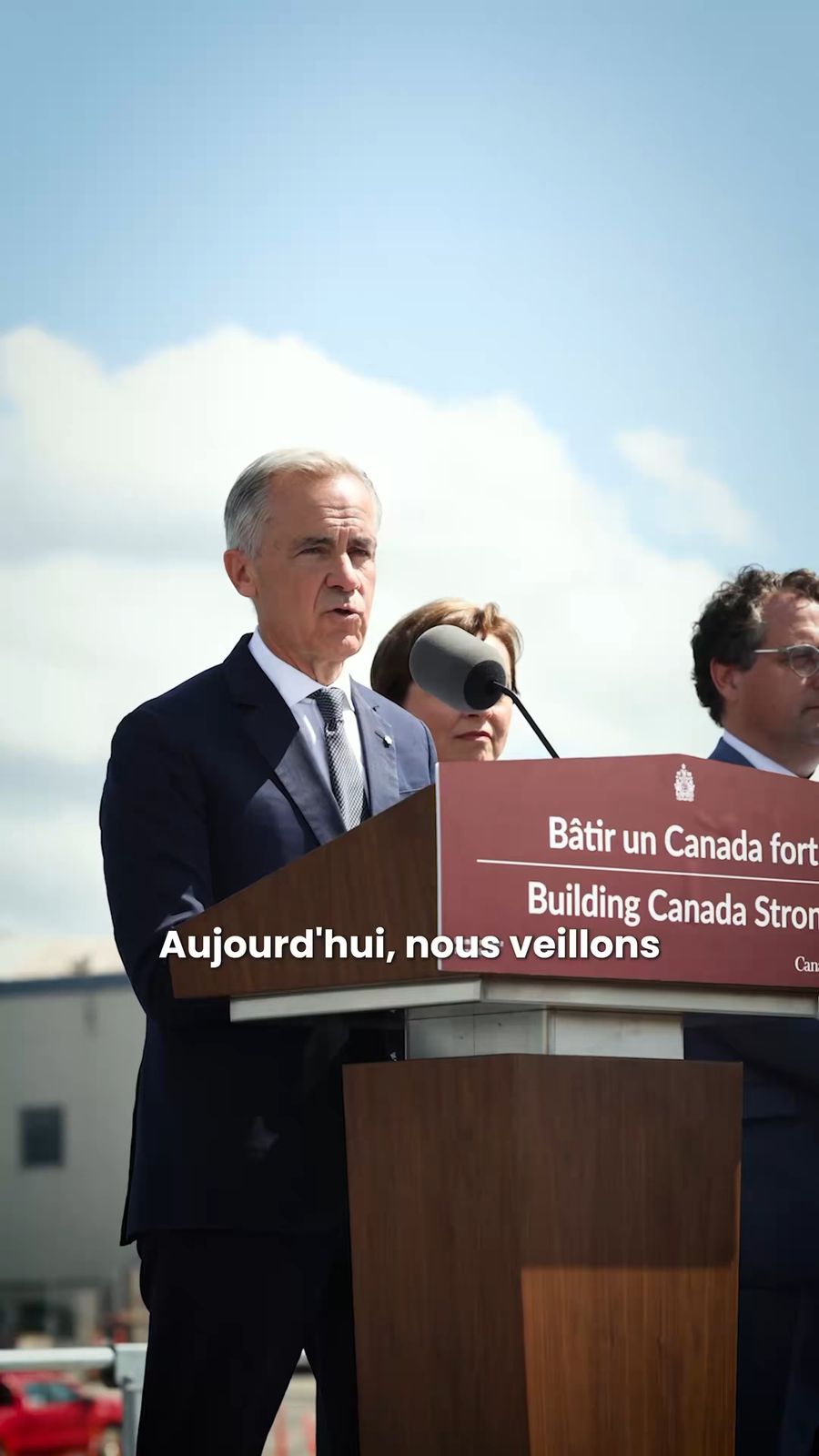
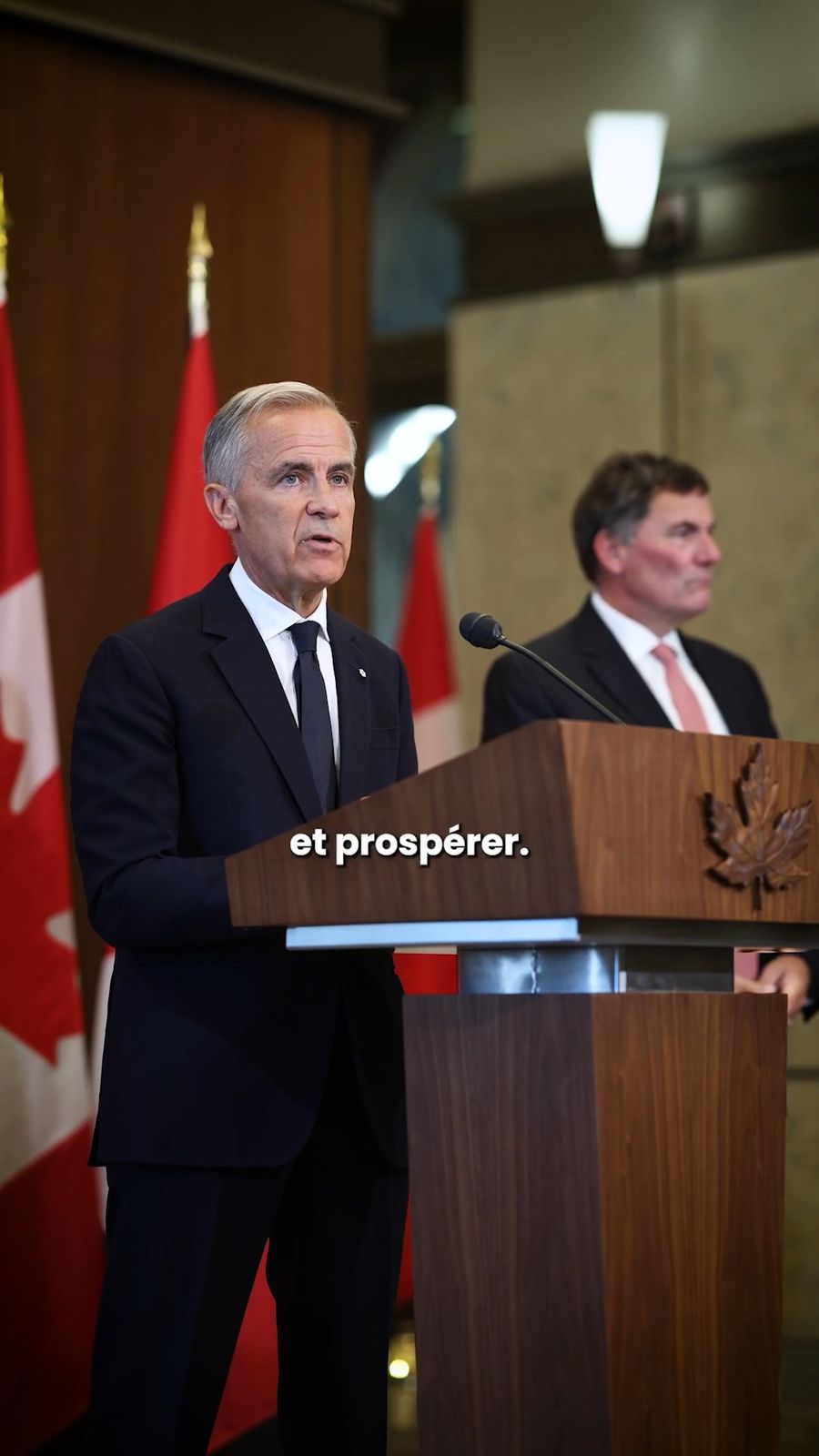
In response, Canadian Prime Minister Mark Carney, who took office with an assertive economic agenda, made clear that Canada would not submit to extortion. Carney began implementing measures to diversify Canadian export markets to reduce dependence on the U.S., including advancing oil pipelines to the Pacific coast for exports to Asia, moves that only heightened frustration in Washington.