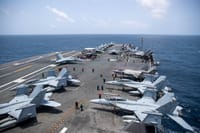
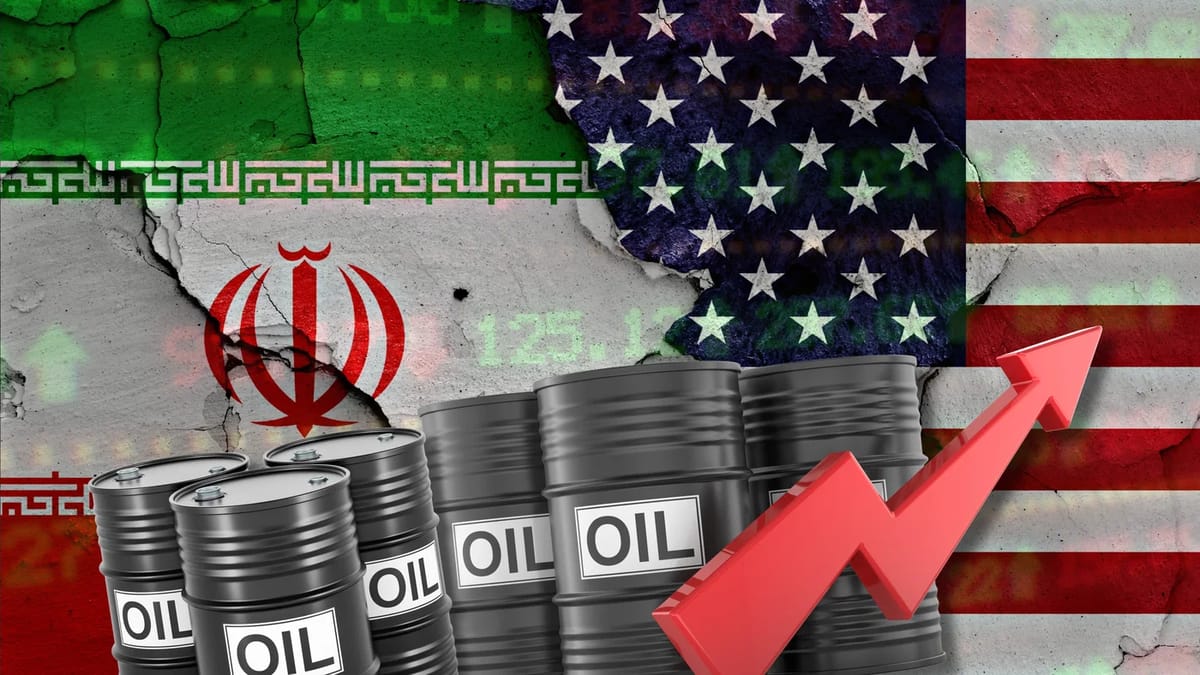
The global energy map is being redrawn as the closure of the Strait of Hormuz, the world’s most vital oil and gas artery, chokes off 20% of the global supply. With both Iran and the U.S. Navy enforcing dueling blockades, the International Energy Agency (IEA) has officially classified the situation as the "greatest threat to global energy security in history," eclipsing the shocks of the 1970s.
The Siege: 13 Million Barrels Missing
The "double blockage" of the Strait has effectively halted the flow of 20% of global oil and 19% of liquefied natural gas (LNG):
- Goldman Sachs estimates a staggering deficit of 13.7 million barrels per day, with global inventories plummeting toward historic lows.
- Brent Crude has surged past $120 per barrel, while the price of refined products like diesel and jet fuel has more than doubled in some regions.
- Approximately 90% of the energy passing through the Strait is destined for Asia. With Qatari LNG and Gulf crude stranded, major manufacturing hubs are facing a "tax on growth."
Asia in Survival Mode
At least 16 Asian nations have declared energy emergencies, implementing drastic measures to prevent total grid collapse:
- The Philippines: Declared a national energy emergency; fuel prices have surged past 100 pesos per liter, and a 4-day government work week has been imposed.
- Indonesia & Thailand: Indonesia has capped subsidized fuel at 50 liters per person, while Thailand has capped diesel prices and ordered widespread work-from-home (WFH) mandates.
- Pakistan & Vietnam: Pakistan has slashed highway speed limits to conserve fuel, and Vietnam is urging all businesses to implement remote work to save electricity.
The Great Pivot: Coal’s Return and Nuclear Acceleration
Desperate for stability, nations are abandoning green targets in favor of immediate energy survival.
- The "Dirty" Safety Net: South Korea, India, and Vietnam are ramping up coal-fired power plants. While analysts call this a temporary spike, global coal output is expected to rise by 1.8% this year alone.
- The Nuclear Surge: A coalition of 40 countries has pledged to triple nuclear capacity by 2050. Japan has reactivated Kashiwazaki-Kariwa, the world’s largest nuclear plant, while South Korea is racing to bring five mothballed reactors back online.
Billion-Dollar Profits and Political Fury
While citizens face record-breaking bills, energy giants are reaping unprecedented windfalls.
- According to Rystad Energy, the world's 100 largest energy companies are generating profits at a rate of $30 million per hour.
- BP reported Q1 profits of $3.2 billion (double its 2025 performance), while ExxonMobil’s underlying earnings reached $8.8 billion.
This massive disparity is fueling a political firestorm. EU finance ministers are now pushing for aggressive "excess profit taxes" to fund public energy subsidies.