As the U.S. naval blockade continues to strangle Iran’s oil exports, Iranian officials are discussing highly unconventional weapons, including mine-carrying dolphins, to strike American warships in the Strait of Hormuz, according to a report in The Wall Street Journal.
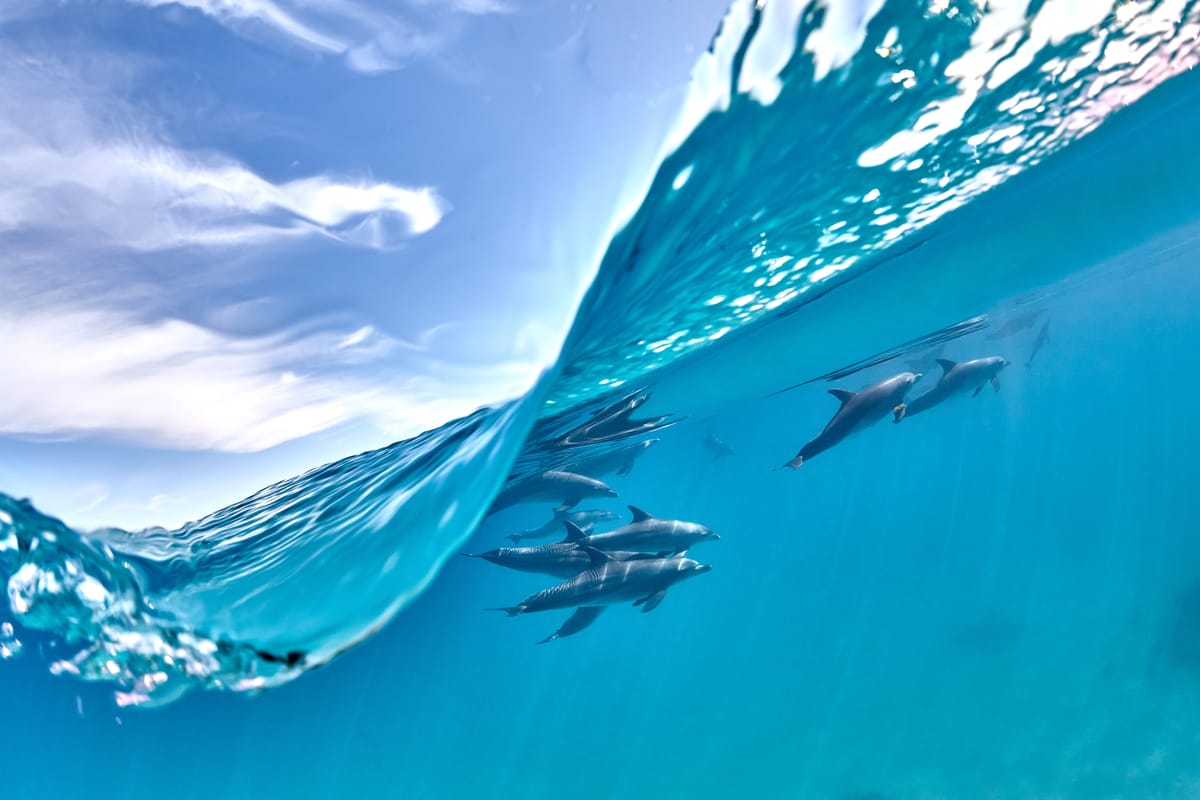
Citing Iranian officials, the WSJ reported that Tehran is exploring “previously unused weapons” to counter the blockade, which has largely halted its shadow fleet operations and caused severe economic damage. Among the options under consideration: deploying dolphins trained by the Islamic Revolutionary Guard Corps (IRGC) to carry mines in kamikaze-style attacks against U.S. vessels.
The report notes that the IRGC has a history of training marine mammals for military tasks. Iran previously acquired dolphins from the former Soviet Union in 2000 that were trained to attach harpoons or explosives to enemy ships.
The discussion of dolphins and other extreme measures (such as severing undersea internet cables) reflects deep internal divisions in Tehran. Moderates favor negotiations, while hard-liners argue that the blockade amounts to an act of war requiring a military response.
“The blockade is increasingly viewed in Tehran not as a substitute for war, but as a different manifestation of it,” one analyst told the WSJ. “Iranian decision makers may soon come to see renewed conflict as less costly than continuing to endure a prolonged blockade.”
The report comes as a fragile ceasefire holds, but tensions remain high. President Trump has described the blockade as “genius” and “100% foolproof,” signaling it could continue until Iran meets U.S. demands on its nuclear program.