Other candidates being considered for the position include Oded Forer from Yisrael Beiteinu, Elazar Stern or Orit Farkash from the Yashar party, and Efrat Rayten from the Democrats, whose chances are considered low since the Knesset Speaker traditionally comes from the largest party, usually the one forming the government.
The election of the Knesset Speaker is considered a central step in the government formation process, as the position includes significant authority in managing the Knesset's work and setting its agenda, including temporary Knesset committees.
According to the report, the change bloc estimates that the price the Arab parties will demand in exchange for replacing the Knesset Speaker will be primarily declarative. This assessment is based on the fact that the Arab parties, which won 19 seats, are needed for external support to enable the change bloc to form a government. Therefore, the replacement move is expected to be advanced soon.
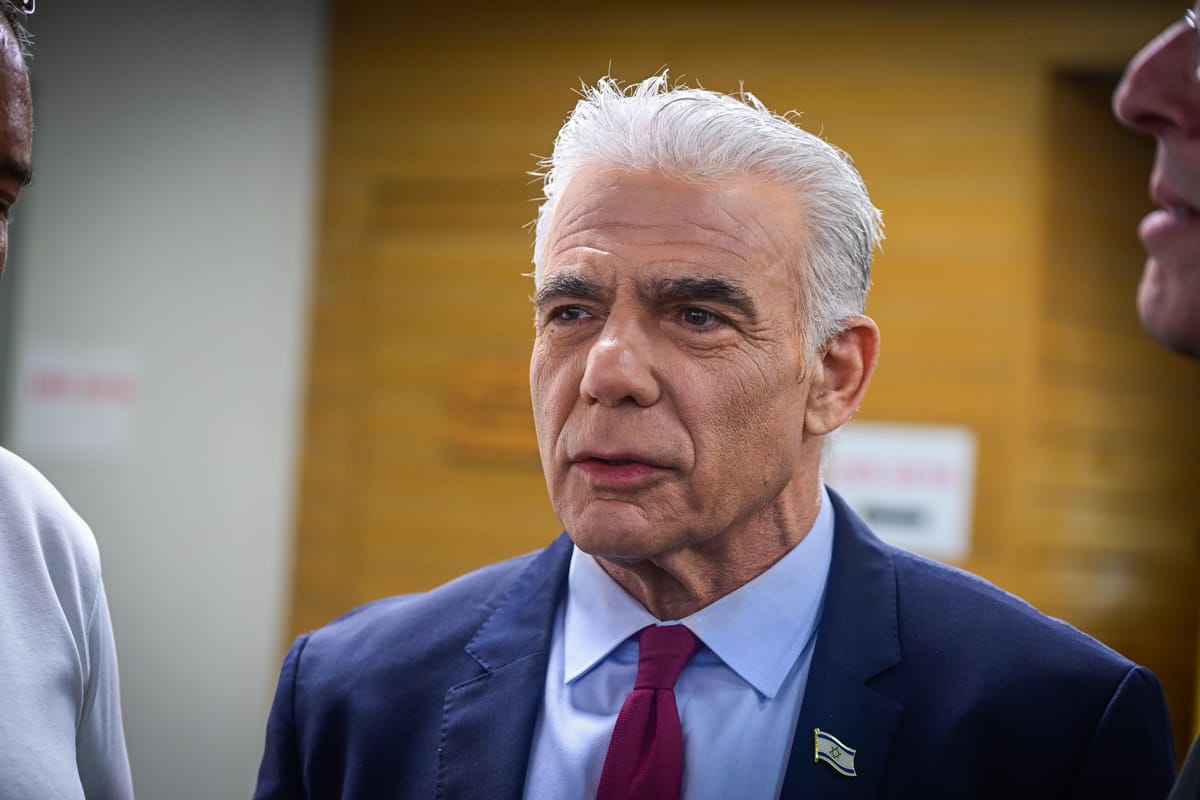
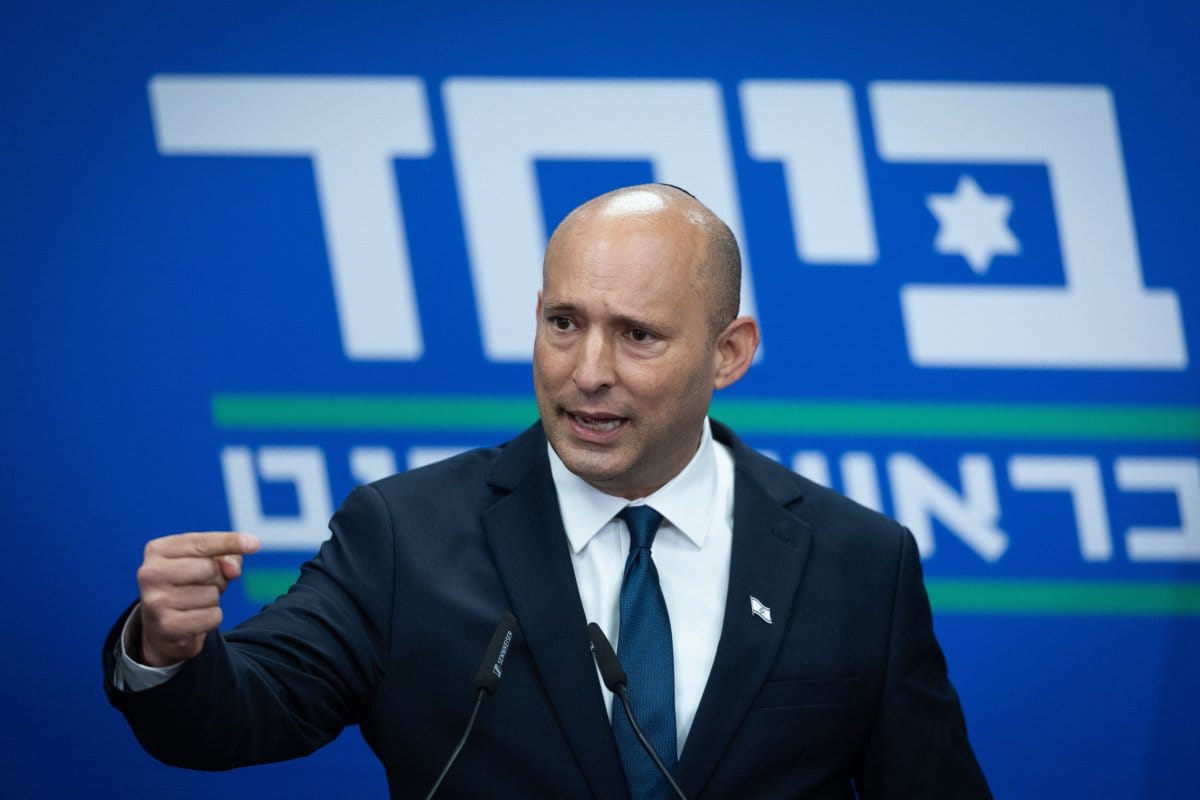
It should be noted that appointing Lapid as Knesset Speaker may encounter political difficulties. Naftali Bennett's Beyachad party is already preparing for the possibility that Gadi Eisenkot will head the government, and in that framework they themselves intend to demand the position of Knesset Speaker. Bennett's party intends to emphasize the parliamentary experience of its list members and their achievements during their Knesset tenure, in contrast to Eisenkot's Yashar party, whose list is composed mainly of people who have not previously served in government positions at the national level.