Get our mobile app
Download on the App StoreGet it on Google Play

After counting most votes

Netanyahu 53, Eisenkot 48 — envelopes decide

With most regular ballots counted, neither bloc reaches 61 seats. The count of 430,000–480,000 double envelopes, soldiers, security forces, hospitals, could shift mandates and determine whether Israel gets a unity government or returns to the polls.

Israel Election Deadlock: Netanyahu 53, Eisenkot 48 — Half a Million Double Envelopes Will Decide

United Torah Judaism's office issued its first response this morning (Wednesday) to the flurry of reports about possible coalition talks. In the office of UTJ chairman MK Yaakov Asher, spokesmen clarified the situation behind the scenes in response to press inquiries.

"There have been no approaches from party leaders," Asher's office stated, but added one exception: "Apart from a message conveyed from the environment of Prime Minister Benjamin Netanyahu, stating his intention to preserve the coalition parties." The statement comes amid intense focus in the chareidi factions on the count of double envelopes and the battle for control of the transition government and the Knesset majority.
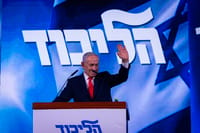
Likud this morning (Wednesday) sent an urgent and unprecedented demand to Israel Police and the Shin Bet to open a criminal and security investigation, claiming that the results of the elections to the 26th Knesset were distorted and stolen illegally.

In an official statement, Likud alleged that the mandate map was altered through serious misconduct: "The elections in the State of Israel were stolen by Arab parties that support terror and the elimination of the Jewish state through serious criminal offenses of bribery, threats, violence, forgery, and the use of prohibited software to mobilize voters." The harsh allegations add to the already high tension at Likud headquarters surrounding the count of double-envelope votes and the battle for control of the transition government.

A dramatic new estimate from the Central Elections Committee has put the political system on high alert: the number of external (double) envelopes in the elections to the 26th Knesset is now estimated at between 430,000 and 480,000 envelopes. This enormous quantity of votes, including IDF soldiers, security forces, medical institutions, and special accessibility voters, could shake up the final distribution of mandates and determine the fate of parties near the electoral threshold.

The Central Elections Committee emphasizes that the processing of external envelopes is currently underway under strict control procedures. Committee headquarters clarifies that this is a preliminary estimate that is not final, and may be updated as envelopes continue to be received from all centers across the country.

The political significance of the envelope drama:

Potential shifts between blocs: The substantial volume of votes in external envelopes could move mandates between Netanyahu's bloc (currently standing at 53 mandates after counting regular votes) and the opposition bloc.

The internal chareidi battle: United Torah Judaism and Shas are watching the double-envelope count with tense focus, as it may determine whether Shas will lose its seventh mandate and drop to 6 seats, or whether it can close the gap of 18,600 votes that opened in favor of United Torah Judaism.

The results of the elections to the 26th Knesset, after counting approximately 85%–100% of regular polling stations, place Israel before one of the most complex decisions in recent years. The picture emerging today (Wednesday) points to a political dead end: Netanyahu's bloc stands at approximately 53 mandates, Eisenkot's bloc at approximately 48, and the Arab parties reached a peak of approximately 19 mandates. Neither bloc approaches the 61 mandates required for a stable majority.

Likud remains the largest party with approximately 26 mandates, Gadi Eisenkot's "Yashar" in second place with approximately 21, and Naftali Bennett's "Yachad" and the Joint List with approximately 12 each. The most striking figure is the high turnout rate, approximately 77.7%, the highest in more than two decades, and especially the peak in the Arab sector, which boosted the strength of the Arab parties.

President Yitzchak Herzog sent a firm message today to all elected party leaders. "Everything must be done, certainly after yesterday, to avoid returning to another election," Herzog declared. "I expect everyone who comes here to come with an open mind," he added, emphasizing the need for political responsibility at this critical hour.

The president also addressed the exceptional turnout figures recorded on election day. "The high voting rate is a certificate of honor for Israeli society, it is very impressive," Herzog noted. Regarding the timetable for forming a government, the president clarified that he will receive the official and final results next week from Central Elections Committee chairman Judge Noam Solberg.

The lag of Eisenkot's bloc behind Netanyahu's bloc, even without the Arab factions, removes from the table the scenario of a minority government relying on Ra'am and the Joint List. Such a move faces determined opposition from Avigdor Lieberman and Naftali Bennett, both of whom have made clear repeatedly that they will not rely on Arab parties.

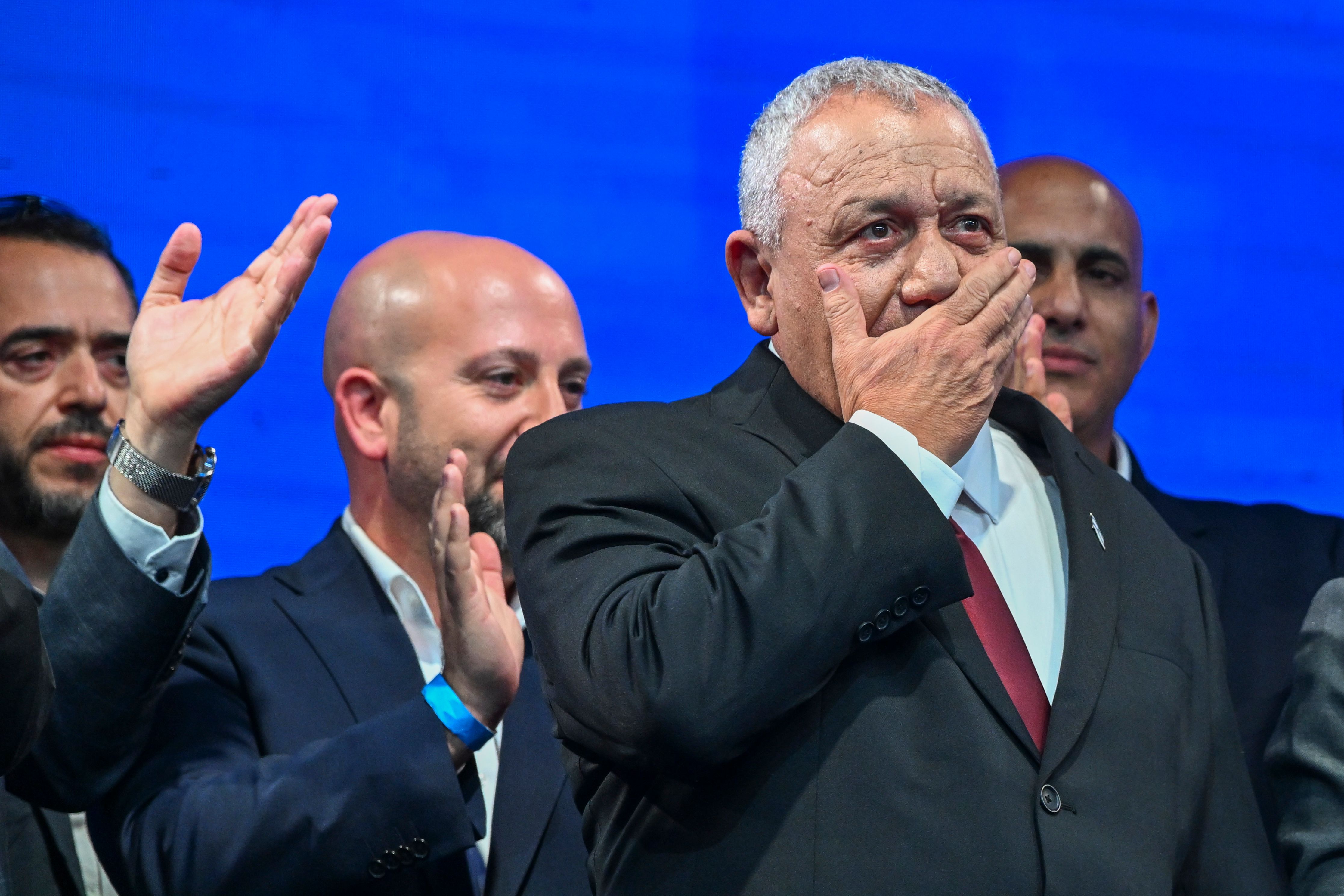
Gadi Eisenkot last night
Gadi Eisenkot last night (Photo: Avshalom Shoshani/Flash90)

Netanyahu called to "capture the Zionist majority," but simultaneously made clear to his chareidi partners and to Religious Zionism that he intends to preserve the existing alliance. At the same time, he is expected to face heavy pressure from President Herzog, and especially from the American administration under Donald Trump, to establish a broad and stable government.

In Eisenkot's bloc, there is great fear of entering a unity government. The central concern: Netanyahu will dismantle it before the rotation and return to ruling alone. "We are not entering a golden cage," sources in the camp said. In the political system, it is estimated that the chance of another round is particularly high. Netanyahu may prefer this, based on the assumption that the high turnout rates in the Arab sector and the arrival of voters from abroad will not repeat themselves.

In Eisenkot's bloc, by contrast, there is fear that the public will punish them for failure to form a government after the call for change. In a speech he delivered last night, Eisenkot declared victory even before the picture became clear, called on Netanyahu to resign, and aimed to form a government with the support of the Arab parties, a move that drew criticism even within the camp seeking to replace Netanyahu.

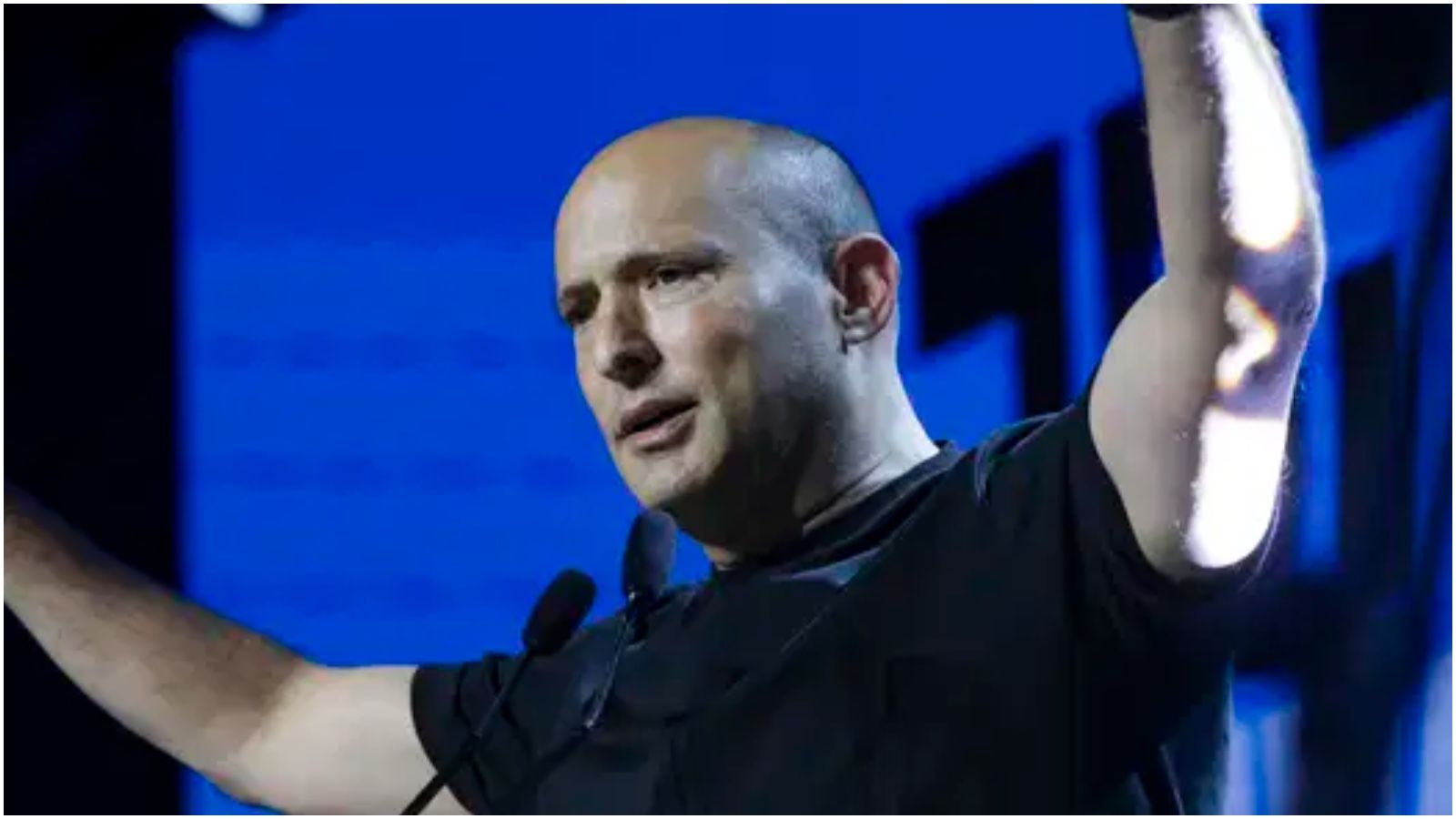
Photo: Miriam Alster/Flash90

While the final results are not yet locked in, the immediate battle is already being waged over control of institutions. Netanyahu will focus his efforts on securing the Knesset speakership and remaining in the Prime Minister's Office as head of the transition government. On the other hand, if Eisenkot's bloc decides to go to elections, they may try to take control of the Knesset presidency already at the opening of the 26th Knesset, a move that would require cooperation with the Arab factions, a step that could split the bloc from within.

The coming weeks will be critical. The question is not only who will form a government, but whether a government will be formed at all, or whether we will return to the polls again. Pressure from Washington is expected to intensify, but between the calls for unity and the wild political reality of Israel 2026, the gap is greater than ever.

The world's largest betting market experienced an unprecedented upheaval overnight, as within a few hours Eisenkot's enormous advantage was erased, and the pendulum swung sharply toward Netanyahu. Bettors poured huge sums against Likud and in favor of Eisenkot, but the results proved them wrong.

Ready for more?

Join our newsletter to receive updates on new articles and exclusive content.

We respect your privacy and will never share your information.

Enjoyed this article?

Yes
No
Follow Us:

Unmissable content


Loading comments...

Also of Interest