The election ended without a decision between the blocs: Netanyahu's camp leads by several seats but falls short of the 61 mandates needed to form a government.
Several small parties that promised to bring change, or at least a "historic" result even if they did not cross the threshold, woke up this morning to a harsh disappointment: they are nowhere near the 3.25% needed to enter the Knesset.
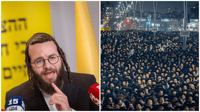
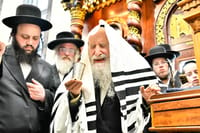
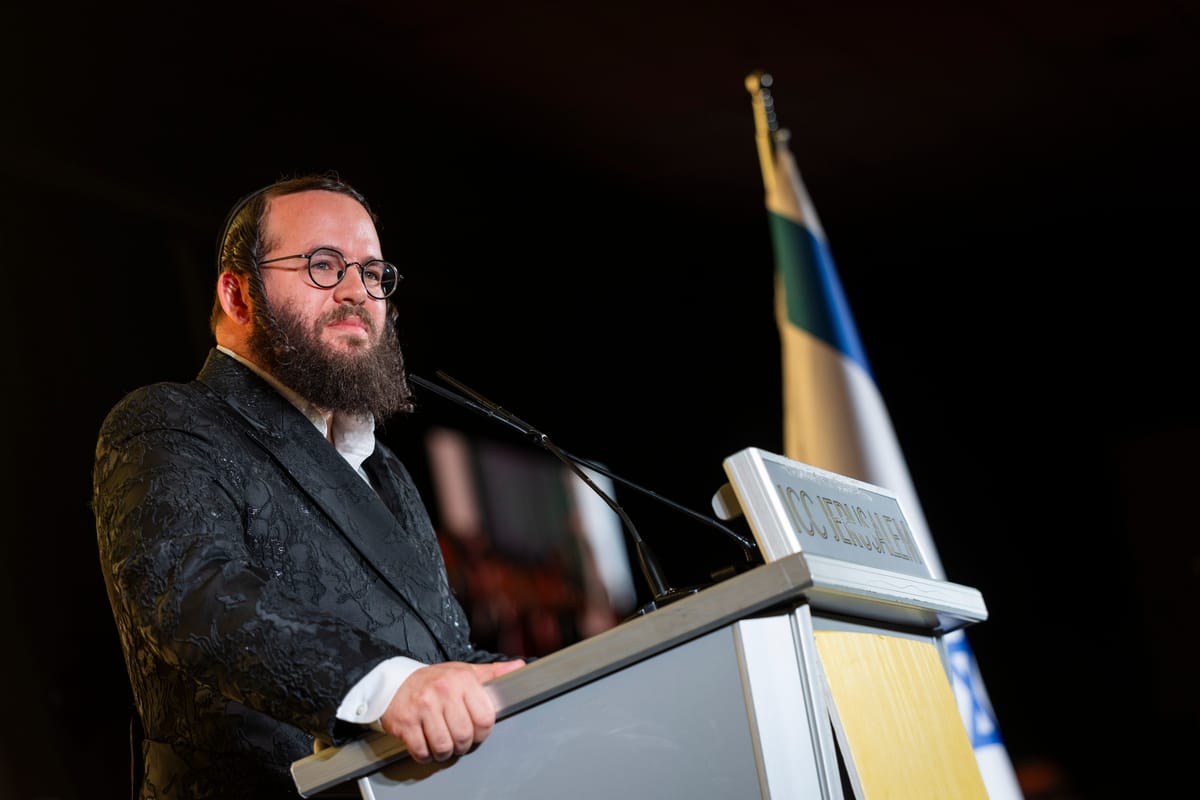
Two chareidi parties remained in the race: Tzeva Shachor (Shield of the Torah World) and HaTzibur HaChareidi (The Chareidi Public), led by Moti Leitner. Gedolei Yisrael mobilised against both campaigns and expressed deep distress over the decision to run. The public, it turns out, did not place its trust in them as they had believed.
Official figures after 77% of votes were counted show that Leitner's HaTzibur HaChareidi received 8,748 votes, 0.20% of the total. A single mandate requires approximately 36,000 votes.
Tzeva Shachor received 9,308 votes, or 0.21%, also far below a mandate.
The tally:
Of the 4,401,898 valid votes counted so far, at least 213,618 valid votes went to lists that remained outside the Knesset. That is 4.85% of all voters, the equivalent of 5.82 mandates (based on a general measure of approximately 36,682 votes per mandate in the first round) that were burned.
At the head of the list of parties that did not pass the threshold stands HaMiluamnikim (The Reservists), which recorded 117,489 votes (2.67%), followed by Amcha Yisrael with 71,647 votes (1.63%). These two parties alone came very close to entering the Knesset but left many votes outside it.
In addition to them, votes were lost among other small parties appearing in the data, including Tzeva Shachor (9,308 votes), HaTzibur HaChareidi (8,748 votes), and the Noam party (6,426 votes). These figures do not include another 24 small lists that received less than 1% of the vote, so in practice the scope of "burned" mandates is even higher and is expected to have a dramatic impact on the final distribution of seats between the blocs.