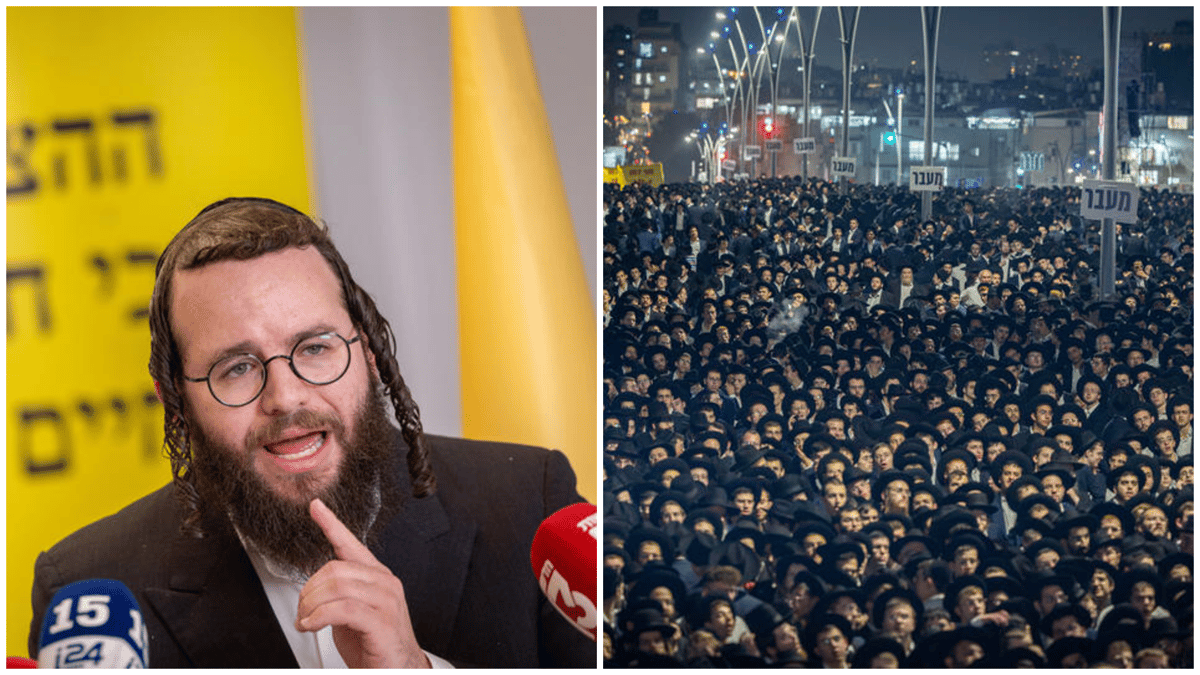
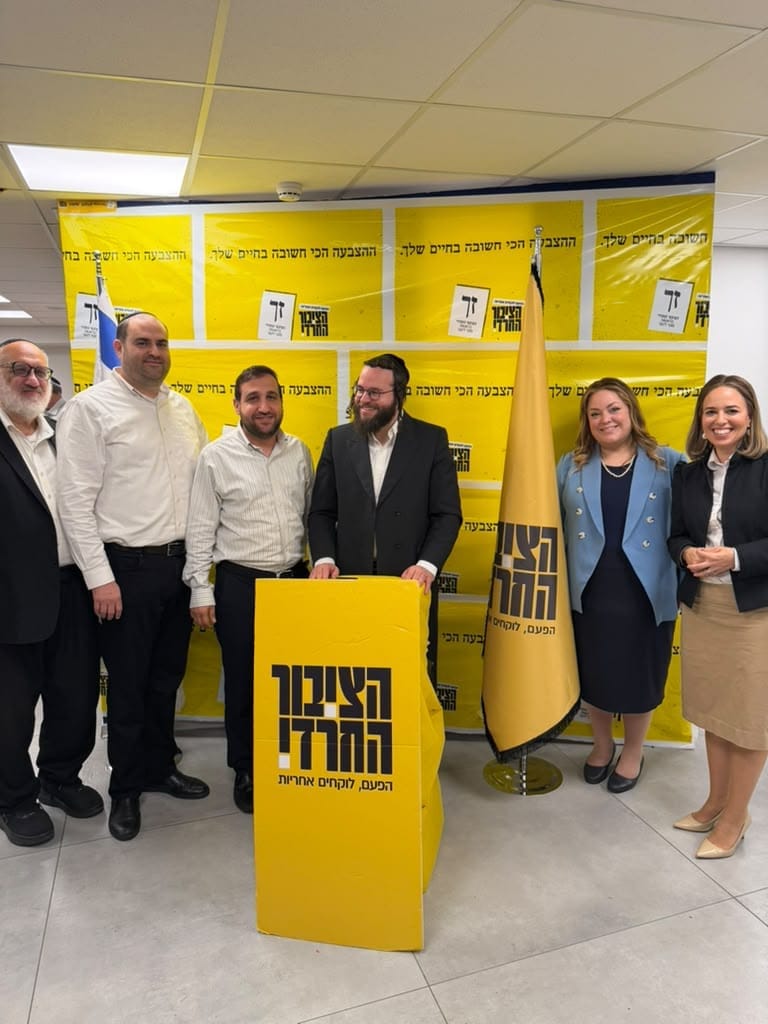
Leitner built much of his campaign around voters identified with United Torah Judaism, presenting his party as an alternative for chareidim dissatisfied with the community’s veteran political leadership. The results so far suggest that the dissatisfaction did not translate into votes.
United Torah Judaism received 225,949 votes in Tuesday’s election, or 6.01%, according to the same data. The party has drawn hundreds of thousands of votes in recent election cycles: 280,194 votes and seven seats in November 2022, 248,391 votes in 2021, and 274,437 votes in 2020.
In Bnei Brak, the city most closely identified with the chareidi public, Hatzibur Hachareidi received only 509 votes after most of the city’s ballot boxes had been counted.
The party also struggled in the chareidi city of Modiin Illit, where it received 0.32% of the vote so far. Otzma Yehudit, led by Itamar Ben-Gvir, received about five more votes in the city than Leitner’s party, and both Likud and Bezalel Smotrich’s Religious Zionist Party also finished ahead of it.
Despite the results, Leitner described the night as a victory. In a speech Tuesday night responding to the exit polls, he said that “the barrier of fear has been broken” and that the evening marked “the beginning of a long road.” He said his party had stood firm in the face of threats, forgeries, curses and insults, and called the campaign historic for chareidim.