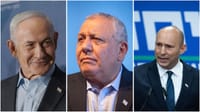
Benjamin Netanyahu's bloc holds 59 seats with roughly a third of the ballots counted in the election for the 26th Knesset. The change bloc led by Gadi Eisenkot holds 46 and the Arab parties 15. Arutz Sheva reported the partial official figures, updated at 5:03 a.m. Wednesday with 31.2% of votes tallied. That leaves the current coalition two seats short of the 61 required to govern in the 120-member Knesset.
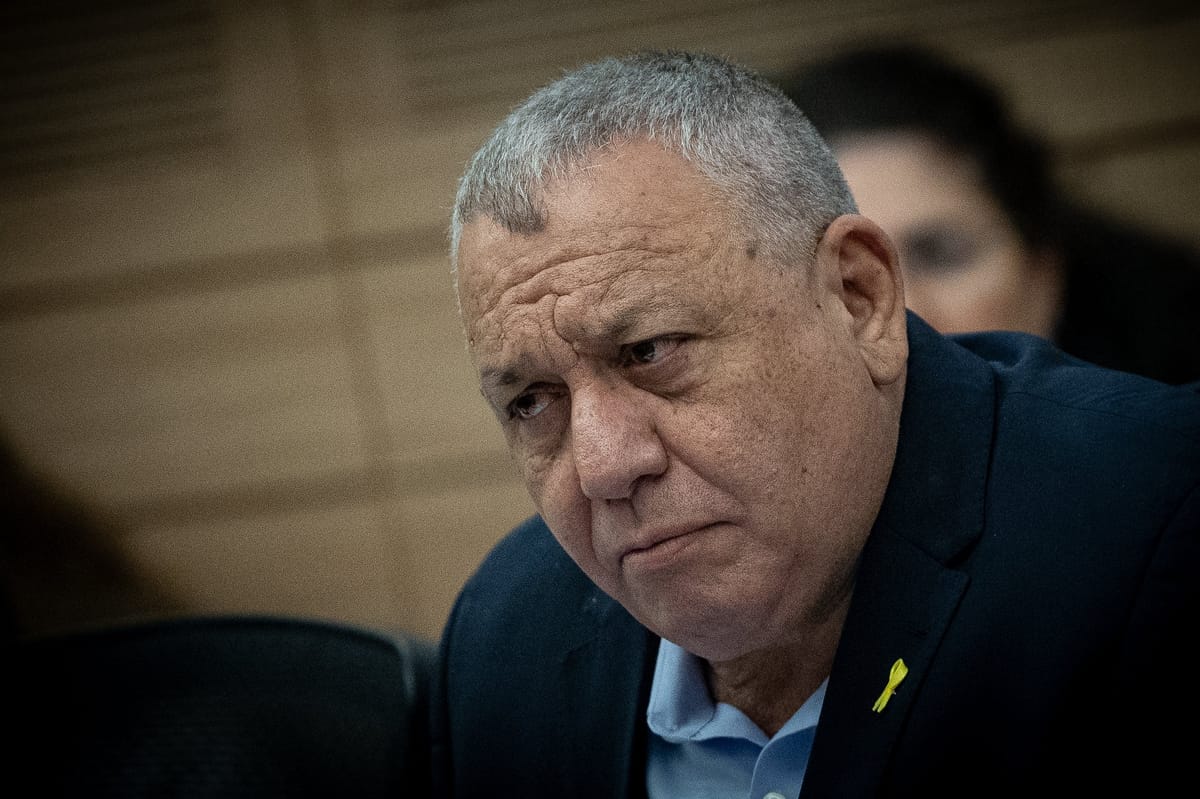
The two chareidi parties sit inside that count, with United Torah Judaism on nine seats and Shas on seven. Eisenkot has pledged to establish a government "committed to military conscription." The Jerusalem Post reported that the chareidi parties would not rule out working with him.
The same partial count puts Likud first with 29 seats, ahead of Eisenkot's Yashar with 20. The Joint List and Together have 11 apiece, and Yisrael Beytenu has eight. Four lists are tied on seven seats: Otzma Yehudit, the Democrats, Shas, and Religious Zionism-Zehut, which ran on a joint slate. Ra'am is clinging above the threshold with 3.7% of the vote, good for four seats. Two lists remain below the 3.25% needed to enter the Knesset: the Reservists-Economic Party at 2.72% and Amcha Yisrael at 1.8%.
A lot of the vote is still outstanding. Hundreds of thousands of double-envelope ballots, cast by soldiers, diplomats and other eligible voters, must be verified separately. After the final results are published, President Isaac Herzog will consult the elected parties before choosing the lawmaker with the best prospect of forming a government.