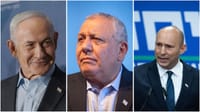
Prime Minister Benjamin Netanyahu's bloc is on course for 53 seats in the 26th Knesset, and the Arab parties for 19. On those figures, neither camp holds the majority needed to form Israel's next government.
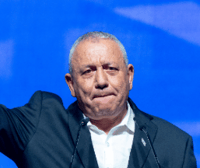
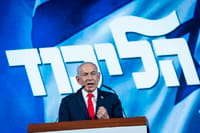
The Central Elections Committee released the figures on Wednesday morning after almost five million votes had been counted, The Jerusalem Post reported. In that tally, Likud stands at 26 seats. United Torah Judaism, Shas and Otzma Yehudit have seven each, and the Religious Zionist Party has six. In the opposition, Gadi Eisenkot's Yashar has 21 seats and B'Yachad, led by Naftali Bennett and Yair Lapid, has 12. Yair Golan's Democrats have eight and Avigdor Liberman's Yisrael Beiteinu has seven. The Joint List has 12 seats and Ra'am has seven.
The size of the opposition bloc is not settled. The Post's report gives it 49 seats in one passage and 48 in another. An unverified tally circulated by the Abu Ali Express channel, with 85.6% of ballots counted, also put the Change bloc at 48, alongside 53 for Netanyahu's camp and 19 for the Arab lists.
A governing majority requires 61 of the Knesset's 120 seats. The deadlock could end in another election, although coalition negotiations may still produce an agreement. A minority government that wins a confidence vote without 61 seats is another possibility. Objections inside the opposition to relying on Arab parties could complicate that option.